Boutique
Miscellaneous Definitions — the small, specialised fashion shop from Apparel Search
Search Apparel Search
At a Glance
Definition: A boutique is a small shopping outlet that specialises in elite and fashionable items, such as clothes and jewelry.
Pronunciation: boo-TEEK
Category: Miscellaneous Definitions
Word Origin
Boutique is French for shop, and derives ultimately from the Greek apotheke, meaning storehouse — a general word for a place where goods are kept that narrowed, in English, to a fashionable small shop.
A boutique is a small shopping outlet, especially one that specialises in elite and fashionable items, such as clothes and jewelry. Both halves of that definition matter: the shop is small, and its range is chosen rather than comprehensive. Fashion boutiques often have unique merchandise and knowledgeable sales staff, and customer service is a key ingredient at a fine fashion boutique. The word is French for shop, with a much older Greek root, and it entered common English in the late 1960s, when small, distinctive fashion shops were at the centre of media attention. This page covers what makes a shop a boutique rather than simply a small store, and the streets — Avenue Montaigne and Bond Street — that defined the idea in Europe. Readers thinking of running one can also learn how to become a Fashion Boutique Owner.
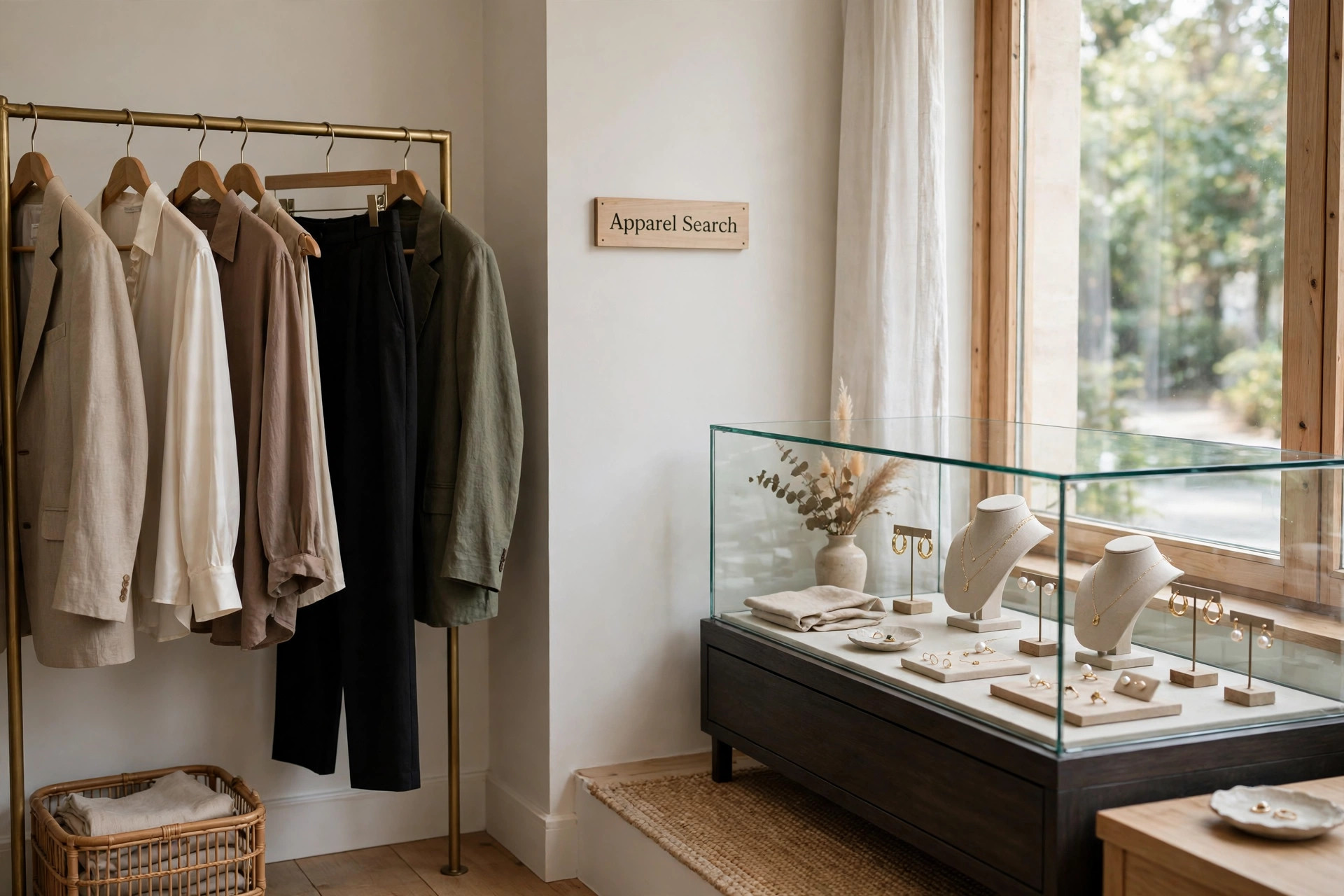
A Small Shop Built on Selection and Service
A boutique is not a general store, and it is not a small version of a department store carrying every category. It selects a narrow range — typically fashionable clothing, footwear or jewelry — and presents it to customers who are looking for that particular kind of merchandise. Fashion boutiques often have unique merchandise, items not found in every other shop on the street, and knowledgeable sales staff to help with a clothing or footwear purchase. That combination is what shoppers usually mean by the word in practice: stock that has been chosen rather than merely stocked, explained by staff who know the limited range in depth.
Customer service is a key ingredient at a fine fashion boutique, and it follows naturally from the format. With fewer customers and a narrower range than a large store, a boutique can offer personal attention, remember regular customers and their sizes and preferences, and help a shopper complete an outfit rather than simply sell a single item. That service model is part of how boutiques can specialise in elite items: a customer buying fashionable clothes or jewelry at a higher level expects advice and care as part of the purchase. For anyone considering becoming a boutique owner, the same points define the work — choosing unique merchandise, knowing it thoroughly, and building the business on service and selection rather than volume. A boutique that loses either its distinct merchandise or its knowledgeable service becomes simply a small shop, without the qualities the name promises. As a form of commerce, it trades breadth for depth.
Fashion Streets of the Boutique Era
The term boutique entered common English parlance in the late 1960s, a period when small, distinctive fashion shops were reshaping how clothes were sold and when English speakers needed a word that suggested something more selective than shop and smaller than store. Once adopted, the word kept that suggestion: in English, calling an outlet a boutique claims specialisation and fashion awareness, not just small size.
In Europe, Avenue Montaigne and Bond Street were the focus of much media attention for having the most fashionable stores of the era. Those two streets, in Paris and London respectively, show where the boutique idea flourished: districts where elite and fashionable items were concentrated, where a small shop's reputation could be built on its selection and its clientele, and where shopping itself was part of fashion culture. The association has lasted, so that boutique now describes both a format and an expectation in the clothing trade worldwide. Whether the merchandise is clothes, footwear or jewelry, a boutique is judged by the same tests that defined the fashionable stores of that period: is the range distinctive, is the staff knowledgeable, and is the service personal enough to make a small shopping outlet feel like a destination rather than a convenience.
Common Questions
What is a boutique?
A boutique is a small shopping outlet, especially one that specialises in elite and fashionable items, such as clothes and jewelry. Fashion boutiques often carry unique merchandise with knowledgeable sales staff.
Where does the word boutique come from?
Boutique is French for shop, and derives ultimately from the Greek apotheke, meaning storehouse. The term entered common English parlance in the late 1960s.
What made boutiques famous in Europe?
In Europe, Avenue Montaigne in Paris and Bond Street in London were the focus of much media attention for having the most fashionable stores of the era. Those streets became associated with elite, fashionable shopping.