How to Become a Boutique Owner
Open your own clothing store with confidence
If you love clothes and shopping, owning your own boutique can turn that enthusiasm into a business that is entirely your own. A boutique owner chooses a focused range of clothing and accessories, shapes the look and feel of the shop, and builds personal relationships with customers who value something different from a large department store or chain. It is creative, hands-on work that rewards a clear eye and careful planning from the very start.
This page introduces what boutique ownership involves and the topics covered in detail, from deciding what type of boutique to open through to managing the business day to day. Whether you picture a shop selling new clothing, vintage pieces, or a carefully chosen mix, you will find a clear picture of the decisions ahead and the first steps to take. That overview helps you judge whether ownership fits your skills and ambitions.
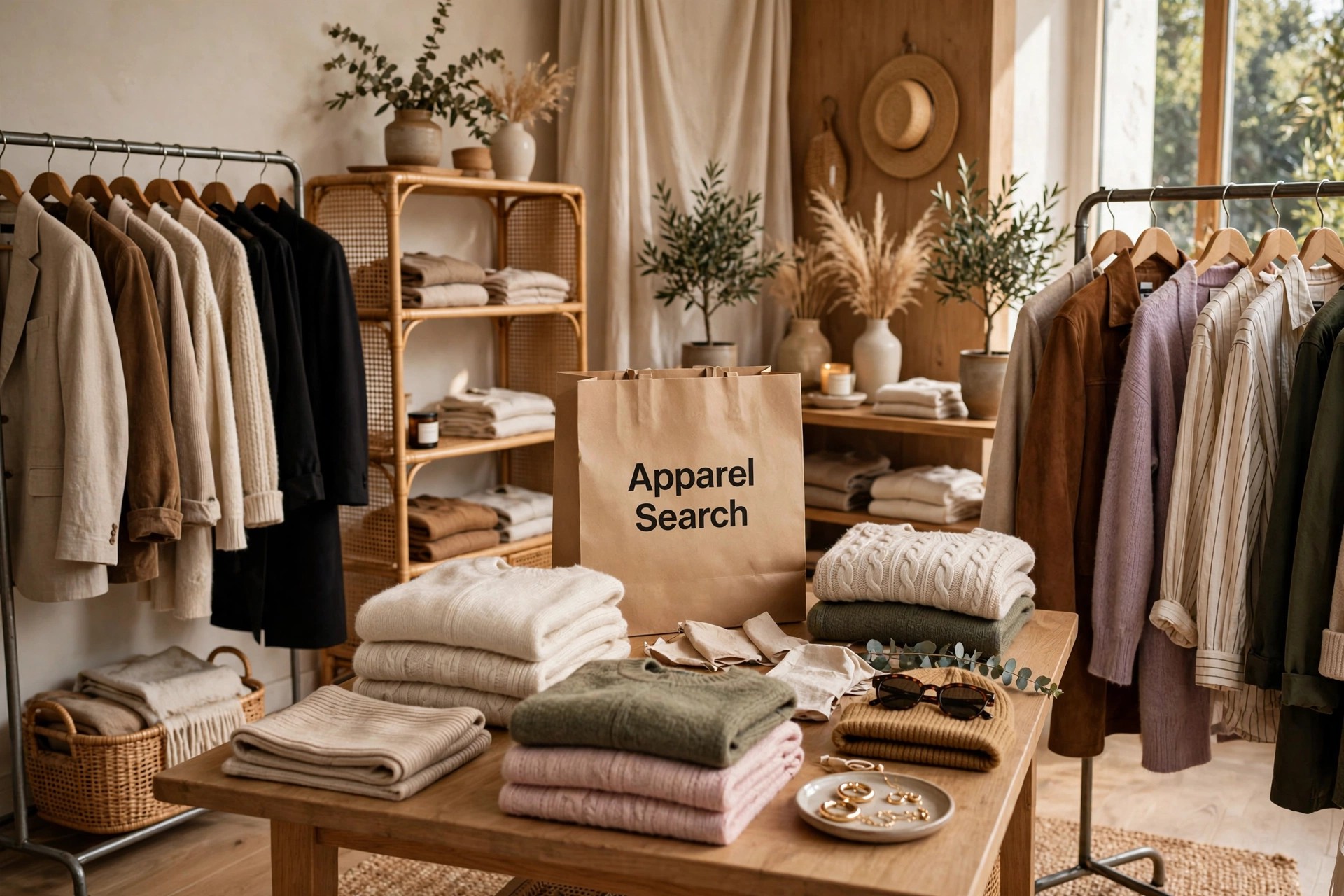
What the Boutique Owner Guide Covers
Opening a boutique involves much more than choosing stock you love. The guide walks through the practical decisions that shape a new clothing store, from the first idea and business plan to opening the doors, running the shop well, and building a loyal customer base.
- How to decide what type of boutique to open
- How to create a business plan
- How to get financing for your boutique
- Choosing a location for your boutique
- Tips on lease negotiation
- Where to get merchandise for your boutique
- How to set your prices
- Advice for managing your boutique business, including hiring staff
- Advice on preventing theft
- How to attract customers
- How to increase sales
- Forms and samples you can use in starting your own business
What Boutique Owners Do Day to Day
A boutique owner is buyer, merchandiser, manager, and host all at once. The work includes selecting clothing and accessories that fit a clear point of view, displaying them so the shop feels inviting and personal, serving customers directly, and keeping track of what sells and what does not. The strongest boutiques focus on one or two types of merchandise rather than trying to be all things to all shoppers. No two days look exactly alike.
Display is a bigger part of that day-to-day work than new owners expect. The Apparel Search Visual Merchandising Guide covers the practical side — window displays, store layout, mannequins, retail lighting and fixture presentation — for presenting stock so the shop sells as well as it looks.
Behind the scenes, the owner handles ordering, pricing, cash flow, staffing, and the everyday running of the store. Personal attention is a large part of the appeal, so owners spend real time helping customers find pieces they will enjoy and creating a relaxed haven, especially during busy seasons. Good organisation matters just as much as good taste, because stock, money, and people all need steady attention. Keeping good records helps every decision that follows.
Skills, Routes In, and First Steps
Successful boutique owners combine a genuine feel for fashion with practical business skills. You need an eye for what your customers will want, confidence with numbers for pricing and budgeting, and the people skills to hire help, serve shoppers well, and build repeat business. Retail experience is valuable because it teaches stock handling, customer service, and how a shop actually runs through a full trading season. Listening carefully to customers sharpens every buying decision you make.
Most boutique owners start their own business rather than being hired into the role, so the first steps are business steps. Decide what type of boutique you want and who it will serve, then write a business plan and explore financing. Next, look carefully at locations and lease terms, line up sources of merchandise, and set prices that cover your costs while still feeling right to your customers. Start small, learn your market, and grow steadily.
Common Questions
What makes a boutique different from a department store?
A boutique typically stocks clothing and fashion accessories that cannot be found in department stores, often including vintage items, and reflects the style of its proprietor. Most successful boutiques concentrate on one or two types of merchandise and offer personal attention rather than trying to serve every shopper.
Do I need a business plan to open a boutique?
Yes, a business plan is a central early step. It helps you decide what type of boutique to open, work out your costs and pricing, and supports your efforts to get financing for the business.
How do boutique owners attract customers?
Owners attract customers through a distinctive, well-designed shop, a focused range shoppers cannot find elsewhere, and personal service that makes the visit enjoyable. Those strengths, promoted consistently, help turn first-time visitors into regulars and increase sales over time.
More to Explore
References & Further Reading
Career Guides — All Guides
- Job Guide "How To" Directory
- How to become a Boutique Owner (current page)
- How to become a Bridal Shop Owner
- How to become an Etiquette Consultant
- How to become an Events Organizer
- How to become a Fashion Designer
- How to become a Fashion Stylist
- How to become an Image Consultant
- How to become a Makeup Artist
- How to become a Model in the Fashion Industry
- How to become a Public Relations Consultant
- How to become a Published Writer
- How to become a Super Salesperson
- How to become a Professional Photographer