How to Become a Bridal Shop Owner
Open your own bridal shop and salon
Helping a bride find the wedding gown of her dreams is one of the most rewarding forms of retail, and owning a bridal salon lets you build a business around that moment. A bridal shop owner combines the skills of a boutique owner with specialist knowledge of gowns, accessories, and everything a wedding party needs to be outfitted well. It is detailed, joyful work built around trust, timing, and personal care.
This page explains what bridal shop ownership involves and the topics covered in detail, from preparing a business plan and securing start-up funding to choosing suppliers and a location. If you are drawn to bridal fashion and enjoy patient, personal service, you will find a clear view of how a bridal salon is started and run. You can then decide with confidence whether this specialist retail career is right for you.
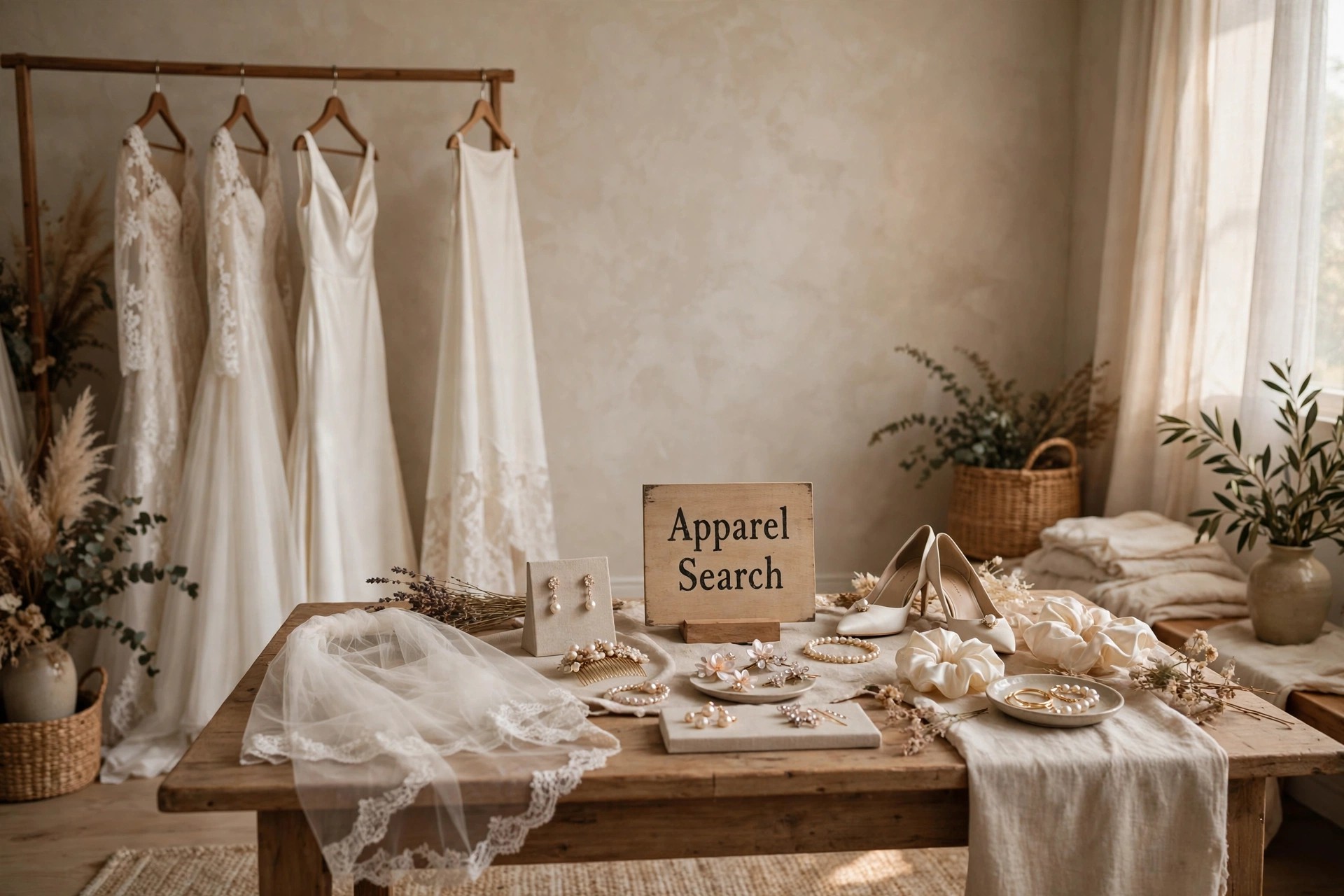
What the Bridal Shop Owner Guide Covers
A bridal salon is a specialist boutique, and the guide covers both the shared business groundwork of shop ownership and the bridal-specific opportunities that come with it. The topics below outline how a new salon is planned, stocked, located, and promoted to brides and their parties.
- How to start a bridal salon
- How to prepare a business plan
- How to get start-up funding
- How to increase profits by outfitting the entire wedding party
- Selling accessories from garters to guest books
- Offering prom and party dresses
- How to find suppliers of gowns and accessories
- Ways to save money on your merchandise
- Choosing the best location for your bridal shop
- How to attract brides-to-be and other customers
- Effective marketing techniques, including how to get referrals
- Forms and samples you can use in starting your own business
The Shared Foundations of Shop Ownership
Bridal shop ownership shares its core issues with boutique ownership, so the foundations are the same. You will need a clear business plan, a realistic route to start-up funding, and careful thought about location, because brides often travel and compare several salons before deciding. You also need dependable suppliers for gowns and accessories, sensible buying that protects your cash, and steady marketing that brings a flow of new appointments. A written plan keeps those elements working together.
Daily work combines retail management with a highly personal service. Owners oversee fittings, orders, alterations timelines, stock care, and staff, while keeping the salon calm and welcoming during emotional, high-expectation appointments. Because a wedding purchase is planned months ahead, good records, honest delivery promises, and careful follow-up matter as much as the beauty of the gowns on the rail. Brides remember how they were treated as much as what they bought, so consistency, kindness, and calm organisation shape every appointment and every recommendation that follows afterwards.
Bridal-Specific Work and Building Referrals
What sets a bridal salon apart is the breadth of the wedding itself. Beyond the bride's gown, a good salon can outfit the entire wedding party and supply accessories from garters to guest books, with bridesmaid dresses, veils, gloves, corsets, and shoes all part of the offer. Many owners also add prom and party dresses, which broadens the customer base beyond wedding season and increases profits. Each additional service strengthens the salon's value to the whole celebration.
Referrals are especially valuable in bridal retail because a delighted bride recommends the salon to friends, family, and future brides. Effective marketing therefore focuses on reputation, presentation, and relationships as much as advertising. Choosing the best location, presenting gowns beautifully, and giving every party a patient, well-organised experience all encourage the word-of-mouth referrals that sustain a bridal business. Over time, that reputation becomes the salon's strongest advertisement, bringing engaged couples through the door already confident they will be looked after well.
Common Questions
Is owning a bridal shop similar to owning a boutique?
Yes, the two share the same core issues, including preparing a business plan, obtaining start-up funding, choosing a location, finding suppliers, and marketing the shop. A bridal salon adds specialist work around gowns, fittings, and outfitting the wider wedding party.
How can a bridal salon increase its profits?
A salon can increase profits by outfitting the entire wedding party rather than selling only the bride's gown. Selling accessories and offering prom and party dresses also widen what each customer relationship can include.
Why do referrals matter so much for a bridal shop?
Brides rely heavily on recommendations when choosing where to buy a gown, so referrals bring in new customers who already trust the salon. Good service, a well-chosen location, and effective marketing all help generate those referrals.
More to Explore
- Clothing Stores
- Bridal Clothing Stores
- Fashion Industry Consultants
- Clothing Industry News
- Shopping Directory - clothes
- Fashion Design School
- Fashion Industry Job Descriptions
- Bridal Fashion News
- Bridal Corsets
- Bridal Fashion
- Bridal Garters
- Bridal Gloves
- Bridal Gowns
- Bridal Shoes
- Bridal Veil
- Bridesmaid Dress
- Wedding Dress
- Wedding Gown
- Fashion Industry
References & Further Reading
Career Guides — All Guides
- Job Guide "How To" Directory
- How to become a Boutique Owner
- How to become a Bridal Shop Owner (current page)
- How to become an Etiquette Consultant
- How to become an Events Organizer
- How to become a Fashion Designer
- How to become a Fashion Stylist
- How to become an Image Consultant
- How to become a Makeup Artist
- How to become a Model in the Fashion Industry
- How to become a Public Relations Consultant
- How to become a Published Writer
- How to become a Super Salesperson
- How to become a Professional Photographer