How to Become a Fashion Model
Starting a fashion modeling career, honestly and safely
A fashion model presents clothing and accessories for photographs, runway shows, showrooms, catalogs, and online stores, helping designers and brands show how garments look and move. Work varies widely, from editorial and commercial shoots to fit and showroom work, and most models build careers job by job rather than through a single permanent position. Assignments are usually booked for a day or a project, so flexibility, punctuality, and a professional attitude matter as much as appearance.
Apparel Search does not currently have a fashion modeling employment guide, so this page does not pretend otherwise. Instead it offers practical, honest starting guidance and points you to the modeling directories and model profiles linked on this page, where you can see how working models present themselves and find industry contacts to research further. Treat every listing and claim you find with healthy caution, and verify people and agencies before you commit time, money, or travel.
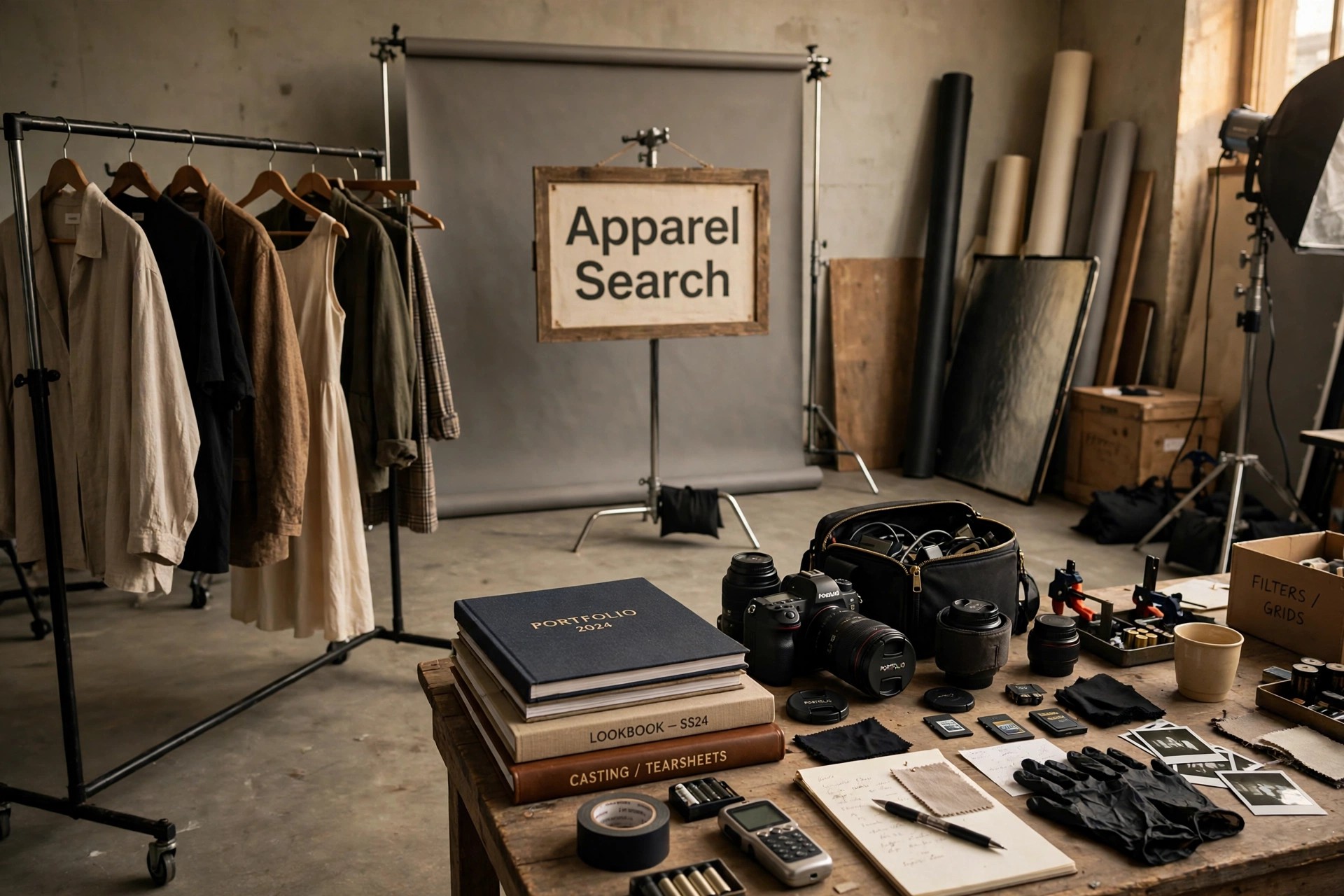
About This Page and Its Modeling Resources
Because there is no fashion modeling employment guide to summarize here, this page instead points you to the modeling directories and profiles linked on the page. Use those listings to explore agencies, photographers, and working models, study how portfolios are presented, and begin building your own list of legitimate contacts to approach professionally.
Types of Modeling Work and Your Portfolio
Modeling covers several distinct kinds of work, and each favors different strengths. Editorial models appear in magazine and campaign photography, runway models present collections at fashion shows, and commercial models promote products to broad audiences. Fit models help designers check garment sizing, showroom models present lines to buyers, and parts models specialize in hands, feet, or hair for close-up work. Knowing which category suits you helps you target the right agencies, photographers, and clients from the start instead of applying everywhere at random.
Your main selling tools are simple, honest photographs, a portfolio book of your best images, and a composite card — a small card with key photos, measurements, and contact details that you leave at castings. Start with clean, natural snapshots, then add polished test shoots with reputable photographers as you gain experience. Keep measurements accurate, update images as your look changes, and carry both print and digital versions to every meeting.
Finding Legitimate Work and Staying Safe
Research agencies carefully before signing anything: check their client work, talk to models they represent, and confirm how commissions and expenses are handled. Legitimate agencies earn from bookings and are transparent about costs. Be cautious with anyone who pressures you to pay large upfront fees, guarantees fame, or asks you to make quick decisions without reading a contract or seeking advice first. Take time to verify registrations, addresses, and references as well, since careful checking at the start prevents most problems later on.
Castings and go-sees are brief meetings where clients compare many models for a job, so arrive on time, groomed simply, and ready to show your portfolio and walk. Keep records of bookings, payments, and image usage, and bring a companion to unfamiliar first meetings where appropriate. Professional habits — punctuality, reliability, courtesy on set, and care for garments — are what turn a first booking into repeat work. Looking after your health, skin, and energy also supports the consistency clients expect on long shoot and show days.
Common Questions
Do I need an agency to work as a fashion model?
Not always, but a reputable agency can provide client access, contract help, and booking management that are hard to build alone. Many models start by approaching agencies, while others begin with independent test shoots and local work before seeking representation.
What should a first portfolio contain?
Start with clear, natural photographs showing your face and full figure in simple clothing, plus a few stronger styled images as you complete test shoots. Quality and honesty matter more than quantity. Include accurate measurements and contact details, and update the selection regularly.
How can I spot a modeling scam?
Warning signs include large upfront fees for vague promises, pressure to sign immediately, no verifiable clients, and requests that feel unprofessional or unsafe. Check references, read contracts carefully, and walk away from any arrangement you cannot verify independently.
More to Explore
References & Further Reading
Career Guides — All Guides
- Job Guide "How To" Directory
- How to become a Boutique Owner
- How to become a Bridal Shop Owner
- How to become an Etiquette Consultant
- How to become an Events Organizer
- How to become a Fashion Designer
- How to become a Fashion Stylist
- How to become an Image Consultant
- How to become a Makeup Artist
- How to become a Model in the Fashion Industry (current page)
- How to become a Public Relations Consultant
- How to become a Published Writer
- How to become a Super Salesperson
- How to become a Professional Photographer