How to Become an Event Planner
Get paid to plan events of every kind
Behind every successful party, fundraiser, conference, or celebration there is someone who pulled all the pieces together, and that person is the event planner. If you are creative, well organised, and enjoy working with people, event planning offers an exciting career built around making important and enjoyable occasions run smoothly for everyone involved. From intimate gatherings to large celebrations, the variety is part of the appeal for many planners starting out today.
This page introduces what event planning involves and the topics covered in detail, from teaching yourself how to plan an event to getting hired or starting a business of your own. You will also find a step-by-step route for breaking into the career, building hands-on experience, and creating the portfolio and vendor relationships that support lasting success. Together, they give new planners a realistic starting point without glossing over the hard work involved.
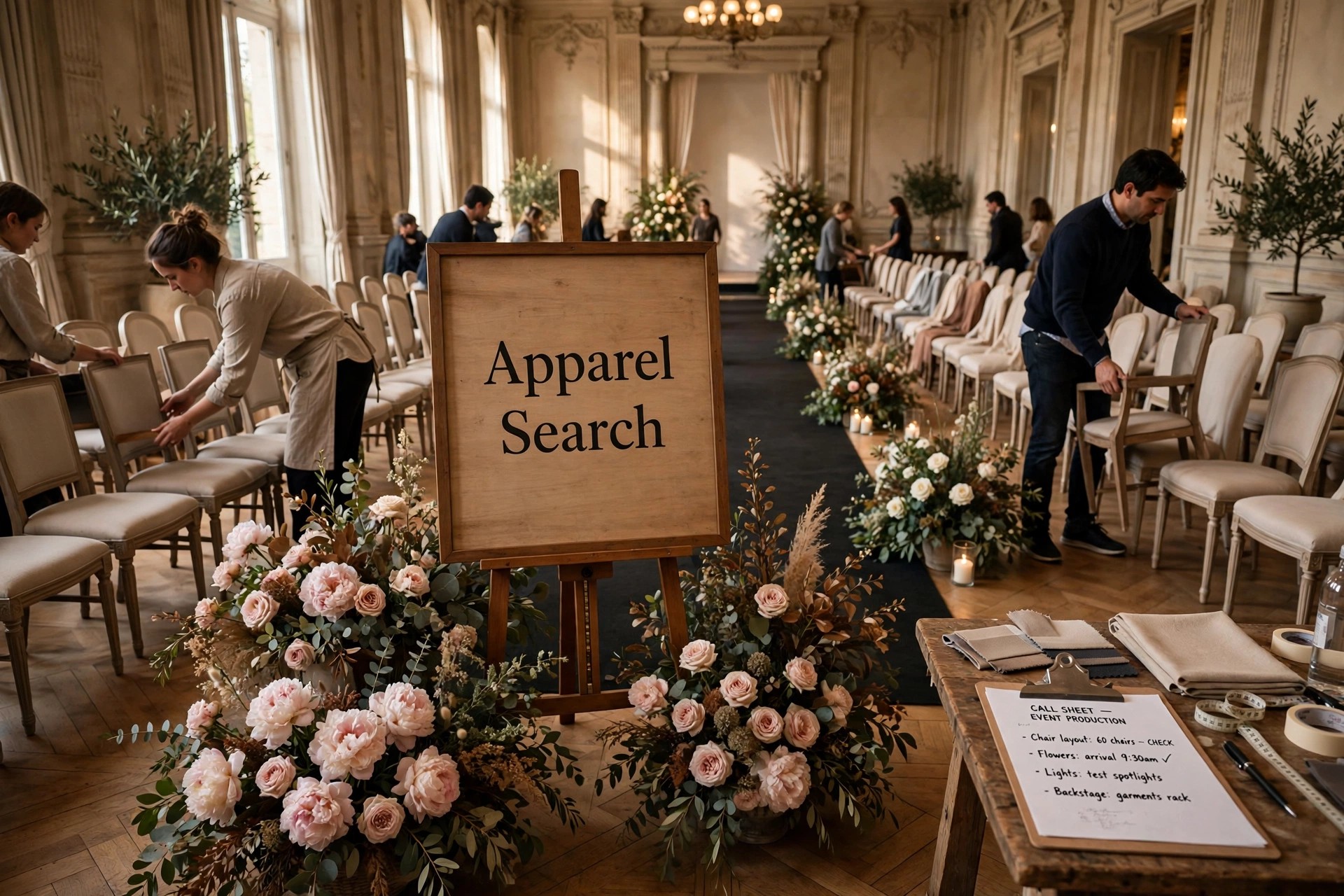
What the Event Planner Guide Covers
Event planning combines creativity with careful organisation, and the guide covers the full path into the work. The topics below include teaching yourself to plan events step by step, making events succeed, finding employed roles, starting your own business, and becoming certified as a professional event planner.
- How to teach yourself event planning, with step-by-step advice for planning an event
- How to make your event a success and avoid disasters
- How to get a job as an event planner with a corporation
- How to get a job with a convention center, country club, tourist attraction, resort, or other event industry employer
- How to start your own event planning business
- How to price your services
- How to find clients
- How to be certified as a professional event planner
- Forms and samples you can use in starting your own business
Seven Steps to Break Into Event Planning
Start by assessing your skills honestly: planners must be creative and well organised, with excellent interpersonal skills for listening to clients and negotiating with vendors. Next, learn how to plan events, covering dates, invitations, budgeting, timelines, vendors, and marketing, through self-teaching, books, or college courses. Then get hands-on experience planning for family and friends, volunteering at non-profit fundraisers, or helping at work. Finally, create a portfolio of photographs, recommendation letters, and event examples.
Fifth, get hired as an event planner, which builds invaluable contacts and referrals even if you later go independent. Sixth, consider starting your own event planning business, deciding which types of events to specialise in, from corporate meetings and conventions to proms, charity events, and galas. Seventh, develop relationships with vendors such as caterers, florists, rental companies, hotels, and photographers, learning their businesses, asking about discounts, and always following up with thanks.
The Work, the Skills, and Where Planners Are Hired
An event planner pulls every component of an occasion together so the host and guests can simply enjoy it. The work involves understanding what the client wants, setting a budget, booking and coordinating vendors, building a timeline, promoting the event where needed, and solving problems calmly on the day. Creativity matters, but so do organisation, negotiation, and steady attention to detail from the first brief to the final clear-up. Flexibility matters when plans inevitably change at the last minute.
Event planners are hired by corporations, convention centers, country clubs, tourist attractions, resorts, and other event industry employers, as well as non-profit organisations and hotels. Some people work into the role by volunteering to organise internal company events such as picnics and meetings. Others build experience first and then start a business, often home-based, pricing their services and finding their own clients. Certification as a professional event planner is also available for those who want formal recognition of their skills.
Common Questions
What skills does an event planner need?
Event planners must be creative and well organised, with excellent interpersonal skills. Because events are about people, successful planners listen carefully to what clients want, develop good relationships, and negotiate effectively with the vendors who supply products and services for events.
Where can event planners find jobs?
Employers include corporations, convention centers, country clubs, tourist attractions, resorts, hotels, and non-profit organisations. Some planners also work their way into a role by volunteering to organise internal events, such as company picnics and meetings, for their current employer.
Can I start my own event planning business?
Yes, many event planners run their own businesses, and many of those are home-based, which makes this type of business inexpensive to start. New owners should decide what types of events they want to plan, price their services, and focus on finding their first clients.
More to Explore
References & Further Reading
Career Guides — All Guides
- Job Guide "How To" Directory
- How to become a Boutique Owner
- How to become a Bridal Shop Owner
- How to become an Etiquette Consultant
- How to become an Events Organizer (current page)
- How to become a Fashion Designer
- How to become a Fashion Stylist
- How to become an Image Consultant
- How to become a Makeup Artist
- How to become a Model in the Fashion Industry
- How to become a Public Relations Consultant
- How to become a Published Writer
- How to become a Super Salesperson
- How to become a Professional Photographer