How to Become a Fashion Designer
Design clothes for a living, from first sketch to finished garment
A fashion designer creates clothing and accessories, turning an idea into garments people can actually wear. The work combines drawing, fabric knowledge and construction, and it ranges from designing a single dress to planning a full seasonal collection for a brand or your own label. Designers work for brands, retailers and studios, or independently, and the role suits people who enjoy drawing, making things and solving practical problems.
This page explains what fashion designers do day to day, the skills and training that help you get started, and the main routes into the profession. It covers both working for a design house or retailer and starting your own fashion design business and selling your work. You will also find the main topics covered by a detailed how-to guide for aspiring designers, set out in the section below.
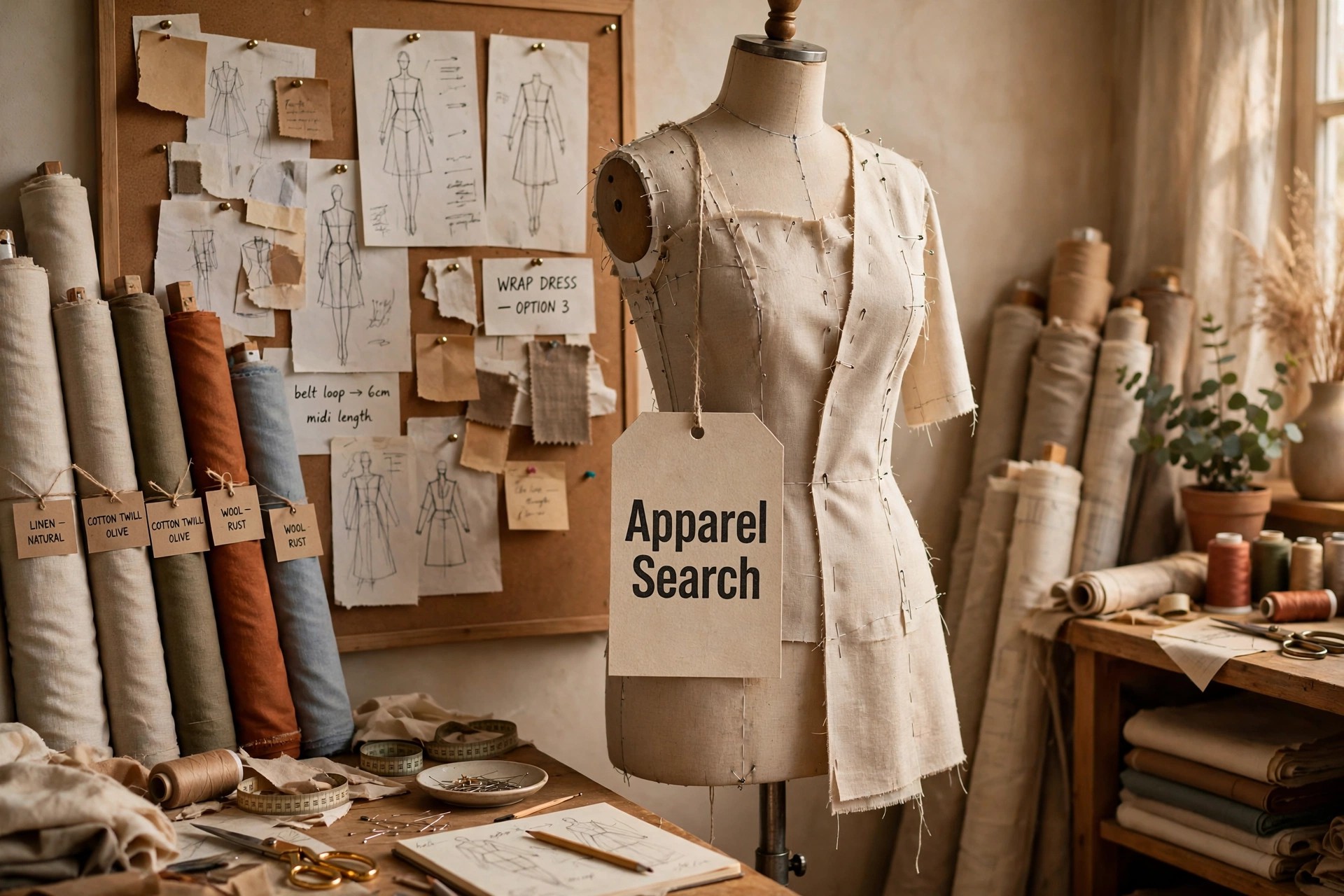
What the Fashion Designer Guide Covers
The guide walks through the whole design process and the business side of the career, from developing a garment to finding work or launching a label. Here are the main topics it covers:
- How to design a garment, from first idea to finished piece
- Choosing the right fabric for a design
- Sketching the design clearly and accurately
- Pattern making to turn a sketch into a workable pattern
- Sample making and refining a prototype garment
- Manufacturing: how designs are produced at scale
- What you need to know about the fashion industry
- How to get a job as a fashion designer, including finding job openings
- How to prepare a portfolio that shows your design ability
- Contact information for top design houses
- How to start a fashion design business and open a showroom
- How to sell your fashions to private clients, boutiques, or department stores
The Day-to-Day Work and the Skills You Need
Most design work is practical rather than glamorous. You will research trends and fabrics, sketch ideas by hand or on a computer, choose colors and trims, and work with pattern makers and sample machinists to turn sketches into real garments. Fittings, revisions and deadlines fill much of the week, and you will often present your ideas to buyers, managers or clients and explain the thinking behind each piece. That cycle repeats each season.
Strong drawing helps, but employers also look for fabric knowledge, an understanding of how garments are constructed, and attention to fit and detail. Sewing and pattern-cutting skills make your designs more realistic and easier to produce. Computer design tools are widely used for flats, prints and presentations, so building confidence with them alongside traditional sketching gives you a well-rounded skill set that studios value. Clear communication with the production team is equally important.
Training, Portfolios and Getting Hired
Many designers study fashion design at college or through shorter specialist courses, but there is no single required route. What matters most is a portfolio that shows your process: research, sketches, fabric choices, technical drawings and photographs of finished garments you have made or helped to make. Keep it focused on the kind of work you want, and update it as your skills and taste develop. Keep samples of fabrics and finished work too.
Look for internships, assistant designer roles and freelance projects to gain studio experience and industry contacts. If you prefer independence, you can start your own label, beginning with a small collection, a clear customer in mind and a realistic plan for making and selling. Private clients, local boutiques and online selling are common first outlets before approaching larger stores. Research makers, costs and delivery times carefully before committing money, and keep records of every order and sale.
Common Questions
Do I need a degree to become a fashion designer?
No single qualification is required, and designers enter the field through degrees, short courses and self-taught routes. What employers and clients judge most is your portfolio and your practical skills, so focused training plus strong examples of finished work matter more than any one credential.
What should go in a fashion design portfolio?
Include research and mood boards, sketches, technical drawings, fabric swatches and clear photographs of garments you have designed and made. Show your development process, not just final pieces, and tailor the selection to the type of design work you are applying for.
Can I start my own label without working for someone else first?
Yes, though experience in a studio first helps you understand production, costs and timelines. Starting small with a focused collection, reliable makers and a clear route to customers — such as private clients or boutiques — is a practical way to begin.
More to Explore
References & Further Reading
Career Guides — All Guides
- Job Guide "How To" Directory
- How to become a Boutique Owner
- How to become a Bridal Shop Owner
- How to become an Etiquette Consultant
- How to become an Events Organizer
- How to become a Fashion Designer (current page)
- How to become a Fashion Stylist
- How to become an Image Consultant
- How to become a Makeup Artist
- How to become a Model in the Fashion Industry
- How to become a Public Relations Consultant
- How to become a Published Writer
- How to become a Super Salesperson
- How to become a Professional Photographer