How to Become a Fashion Designer
Education, research, connections and first jobs — the honest first steps into a fashion design career.
Why do so many people want to become fashion designers? Honestly, many associate the job with fame and fortune. The majority of designers, however, do not become rich or famous: it is a long, hard road, and only a handful will make a mark on the industry and the world. What the career does offer everyone who persists is the chance to share creative energy and a sense of style with others.
The suggestions on this page are general ones — the garment industry is far too complex to explain on a single page — but they cover the sequence that works: educate yourself, research the industry, make connections, and build experience before going out on your own.
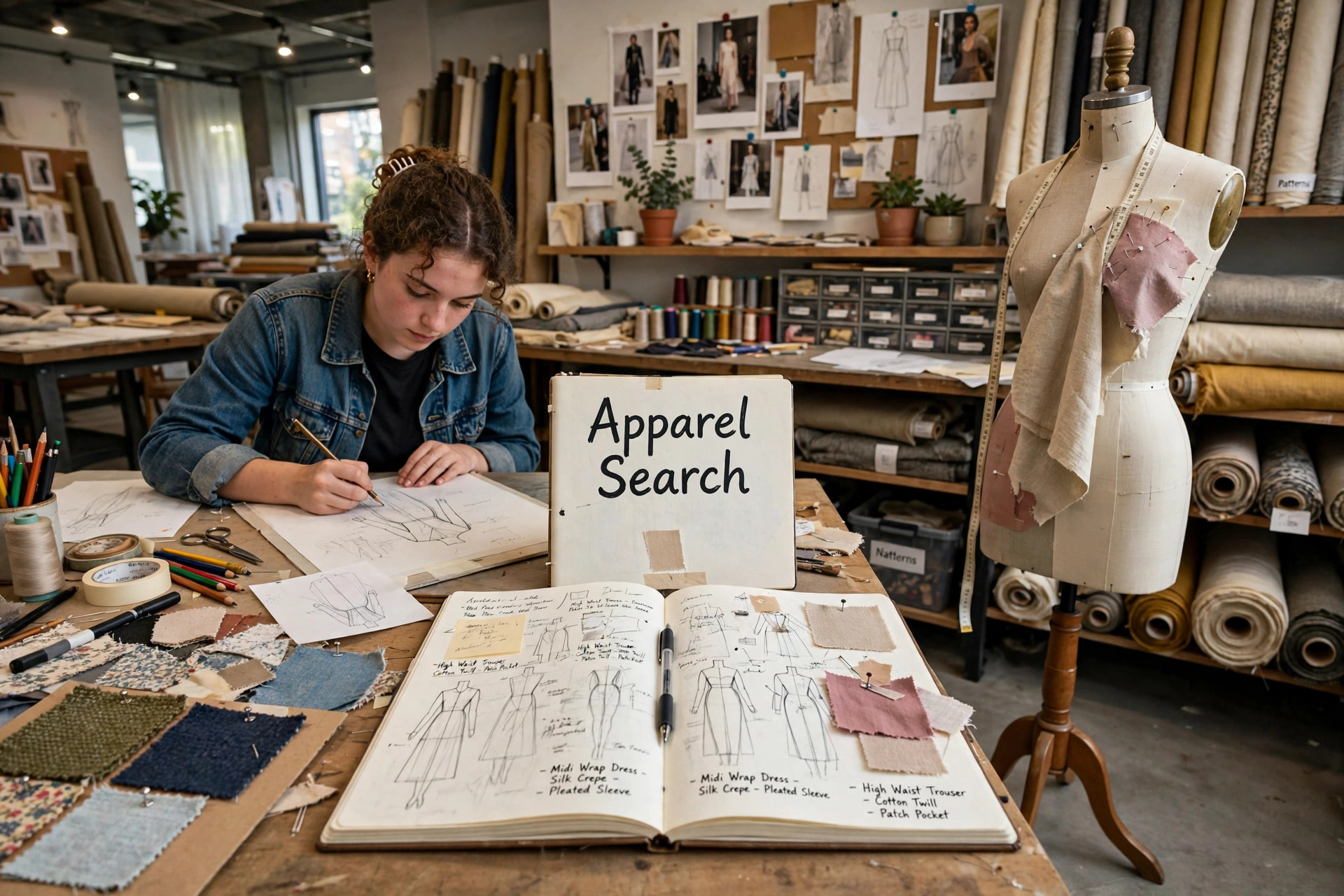
Illustrative image created for this guide — an artistic impression, not this designer's own garments.
Step One: Educate Yourself
The best start is taking courses at a fashion school: classes in fashion design, merchandising, pattern making, sewing and related subjects build the technical base the job stands on. Design is a craft before it is an art — a designer who cannot judge how a garment is constructed will struggle to direct the people who construct it.
After graduating from the fashion school of your choice, work for an experienced fashion designer. Learn from others before going out on your own: inside an established studio you will see fittings, production problems, buyer meetings and deadlines, none of which appear in a classroom. Employment with other designers can be found through the apparel jobs resources and the fashion jobs section linked on this page, which lists industry job opportunities and fashion employment agencies.
Step Two: Research the Industry
A great deal about clothing and textiles can be learned from a directory like this one. The Apparel Search guide covers apparel manufacturing, textiles, clothing wholesalers, retail and every other aspect of the fashion industry — take your time and do the research. A designer who understands how garments are made, sourced and sold designs differently, and usually better, than one who only sketches.
Research also means studying designers: how the ones in this directory built their labels, what categories they work in, and which routes — eponymous label, house position, manufacturer design team — match the career you actually want.
Step Three: Make Connections
After you understand the industry, make fashion industry connections. Possibly you will go into business with another designer; possibly you need suggestions from working designers about fashion design software, or about how to find fashion boutiques to sell to. Either way, the industry runs on relationships, and the designers, suppliers and retailers in directories like this one are the raw material of a network.
None of these steps is quick, and that is the honest summary of the whole page: becoming a fashion designer takes far more than a few web pages can explain. But the sequence is reliable — education, research, connections, experience — and it is the same sequence visible in the careers of the designers throughout this section.
Photos

Common Questions
Do fashion designers get rich and famous?
Most do not. Many people associate designers with fame and fortune, but the majority never become rich or famous — it is a long, hard road, and only a handful make a mark on the industry and the world. The career rewards the people who love the work itself.
What should I study to become a fashion designer?
Fashion design itself, plus the supporting crafts: merchandising, pattern making and sewing among them. Courses at a fashion school build those skills, and working for an experienced designer after graduating teaches what classrooms cannot.
Where do new designers find work?
With other designers and labels first — experience inside an established studio is the standard apprenticeship. The fashion jobs resources linked on this page list apparel industry employment opportunities and employment agencies for the trade.
More to Explore
- fashion school
- Fashion Jobs
- Apparel Search directory
- Fashion Press Release
- fashion news
- fashion news articles
- clothing industry news
- guides on how to become a fashion designer
- additional fashion designer resources
- Influential Fashion Designers of the 20th Century
- Influential Fashion Designers of the 21st Century