How to Become a Super Salesperson
Ethical, win-win selling skills for fashion and beyond
Every clothing and textile company depends on selling. Without someone who can sell its products or services, even the best-designed garment stays on the rail — which is why skilled salespeople matter in fashion showrooms, retail stores, wholesale businesses, and every other industry. A super salesperson guides a customer from first interest to a confident decision to buy. Their work may be face to face, by telephone, at trade shows, or online, but the underlying human process stays much the same.
This page explains the step-by-step approach behind win-win selling and outlines the topics covered in a complete guide to selling well. The emphasis is ethical throughout: understanding what a customer genuinely needs, presenting honestly, and closing sales that benefit both sides. If you have ever persuaded anyone of anything, you already have the basic skill to build on. The same steps apply whether you sell clothing in a store, represent a brand to retailers, run your own business, or simply need to sell one item well.
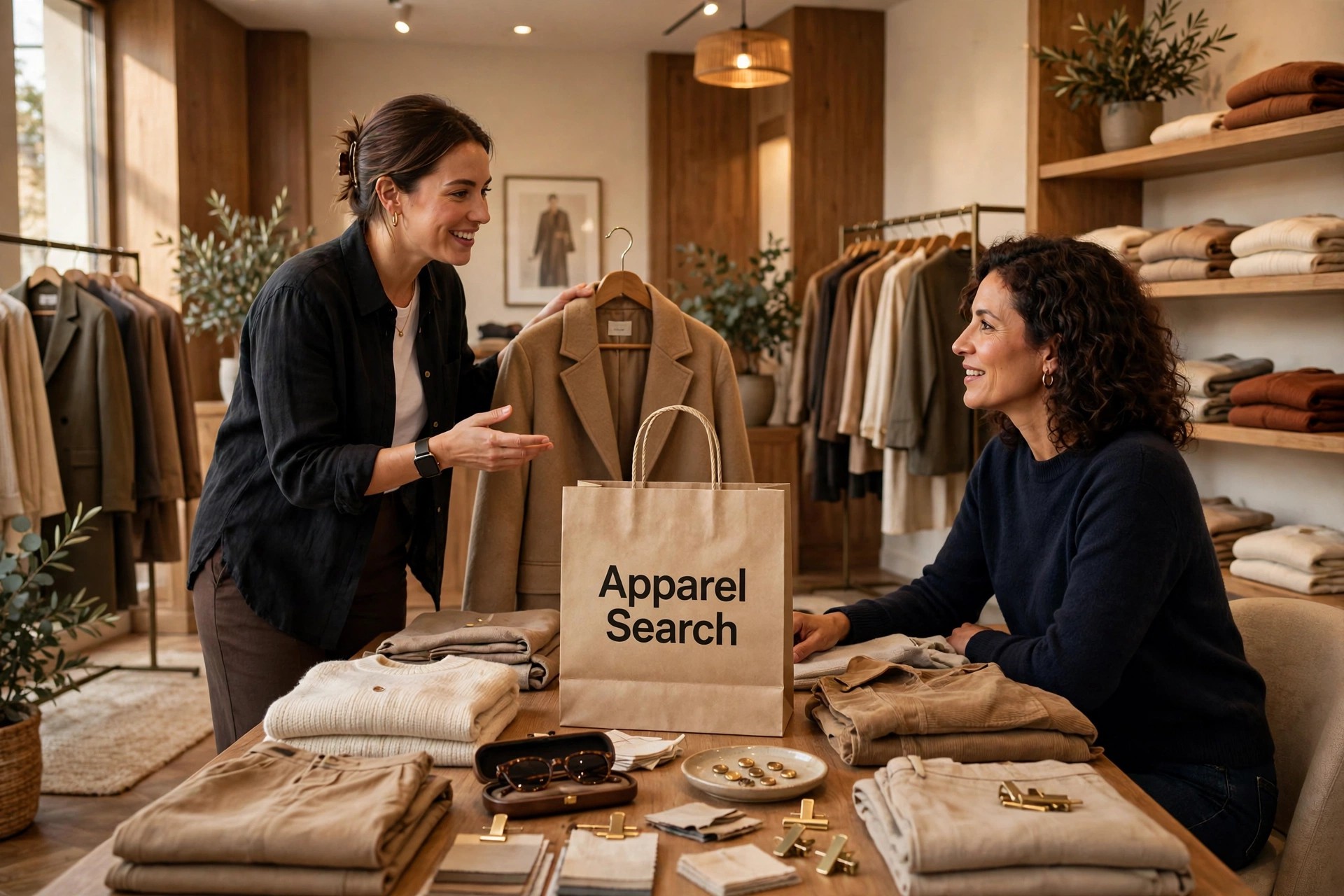
What the Super Salesperson Guide Covers
The guide follows a sale from finding a prospect to earning repeat business, with real-life examples and sample wording for common situations. Its main topics include:
- How to attract prospects to approach your business and get individuals and businesses to refer customers to you
- What to say to break the ice, make a great first impression, and establish your credibility
- Signs that someone is open to buying from you, and what to do if the customer does not open up
- How to identify a customer's key motivation for wanting your product or service
- How to discover whether a customer is ready and able to buy, and questions you should not ask
- How to avoid wasting time by identifying what a customer does not want
- How to help a customer feel certain your product or service will satisfy their needs, with a checklist of presentation dos and don'ts
- How to increase sales by showing rather than just telling, and what to ask to ensure the customer understands you
- Signs that a customer is ready to buy, and principles that help you close sales with less effort and stress
- What to do when a customer is undecided, and what you should not say because it could cost you the sale
- A simple formula for handling any objection a customer raises, and how to give a customer a genuine reason to buy now
- The five-step sequence of a sale, with sample questions for recommending the right product or service
- What to do when you disagree with a customer's choice or a sale does not go as planned, how to build repeat business, and how to reduce the chance of a customer backing out
How a Good Sale Actually Works
A sale is a series of steps, not a single pitch. It begins with finding a prospect who may want what you offer, opening a conversation, and discovering their real motivation — the problem they want solved or the result they want to enjoy. Only then does presentation make sense: showing, demonstrating, and explaining how the product or service meets that specific need, and checking that the customer understands.
Closing follows naturally when the earlier steps are done well. Skilled salespeople watch for signs a customer is ready, answer objections honestly with a calm, simple approach, and make the next step easy and unpressured. The goal is a win-win result: the customer gets genuine value and the seller earns a fair sale. Pushy or misleading tactics may win once, but they destroy the trust that repeat business depends on.
Building a Sales Career in Fashion and Beyond
Sales skills transfer everywhere, but fashion offers especially varied settings: retail floors, brand showrooms, wholesale accounts, trade shows, and telephone or online selling. Product knowledge is your foundation — understand fabrics, fit, construction, and care well enough to recommend the right item, not just any item. Combine that knowledge with careful listening and follow-up, and customers begin asking for you by name. Listening well is a competitive advantage in fashion especially, where fit, occasion, budget, and personal style all shape what the right recommendation actually is for each customer.
Start by mastering the basics in any sales role you can get, keeping notes on what works in real conversations. Study strong colleagues, practice opening lines and objection responses, and review lost sales honestly to find the step that failed. Over time, build your reputation on referrals and repeat customers, which are the most reliable income in selling — and the clearest sign you are doing it the win-win way.
Common Questions
Can anyone learn to sell, or is it a natural talent?
Selling is a learnable sequence of steps — finding prospects, understanding needs, presenting, handling objections, and closing. Confidence and technique grow with practice and honest review of real conversations. Persuasion you already use in everyday life is the foundation to build on.
What should I do when a customer objects to price or timing?
Listen to the full objection first, then clarify what sits behind it — budget, uncertainty about value, or a genuine timing issue. Answer honestly, reconnect the product to the customer's stated motivation, and avoid pressure or phrases that undermine trust. Sometimes the right outcome is a smaller sale or a later one.
How do I get repeat business and referrals?
Deliver what you promised, follow up after the sale, and make sure the customer is satisfied with what they bought. Satisfied customers return and recommend you to others. Keeping simple records of preferences and past purchases helps you serve them better next time.
More to Explore
References & Further Reading
Career Guides — All Guides
- Job Guide "How To" Directory
- How to become a Boutique Owner
- How to become a Bridal Shop Owner
- How to become an Etiquette Consultant
- How to become an Events Organizer
- How to become a Fashion Designer
- How to become a Fashion Stylist
- How to become an Image Consultant
- How to become a Makeup Artist
- How to become a Model in the Fashion Industry
- How to become a Public Relations Consultant
- How to become a Published Writer
- How to become a Super Salesperson (current page)
- How to become a Professional Photographer