How to Become an Etiquette Consultant
Get paid to give etiquette advice
Good manners open doors, and an etiquette consultant is the person who teaches others how to feel at ease in any setting. If you value courtesy, clear communication, and helping people present themselves well, this is a career that lets you share your love of good manners with children, adults, and companies alike. It suits people who notice detail, communicate clearly, and genuinely enjoy putting others at ease in unfamiliar situations every day.
This page introduces what etiquette consulting involves and the topics covered in detail, from building expertise in business, dining, social, children's, and international etiquette to coaching individuals and running seminars. Whether you picture working for an employer or starting your own consulting business, you will find the main routes and first steps set out clearly. That clarity makes it easier to choose a specialism and a route that genuinely suits you.
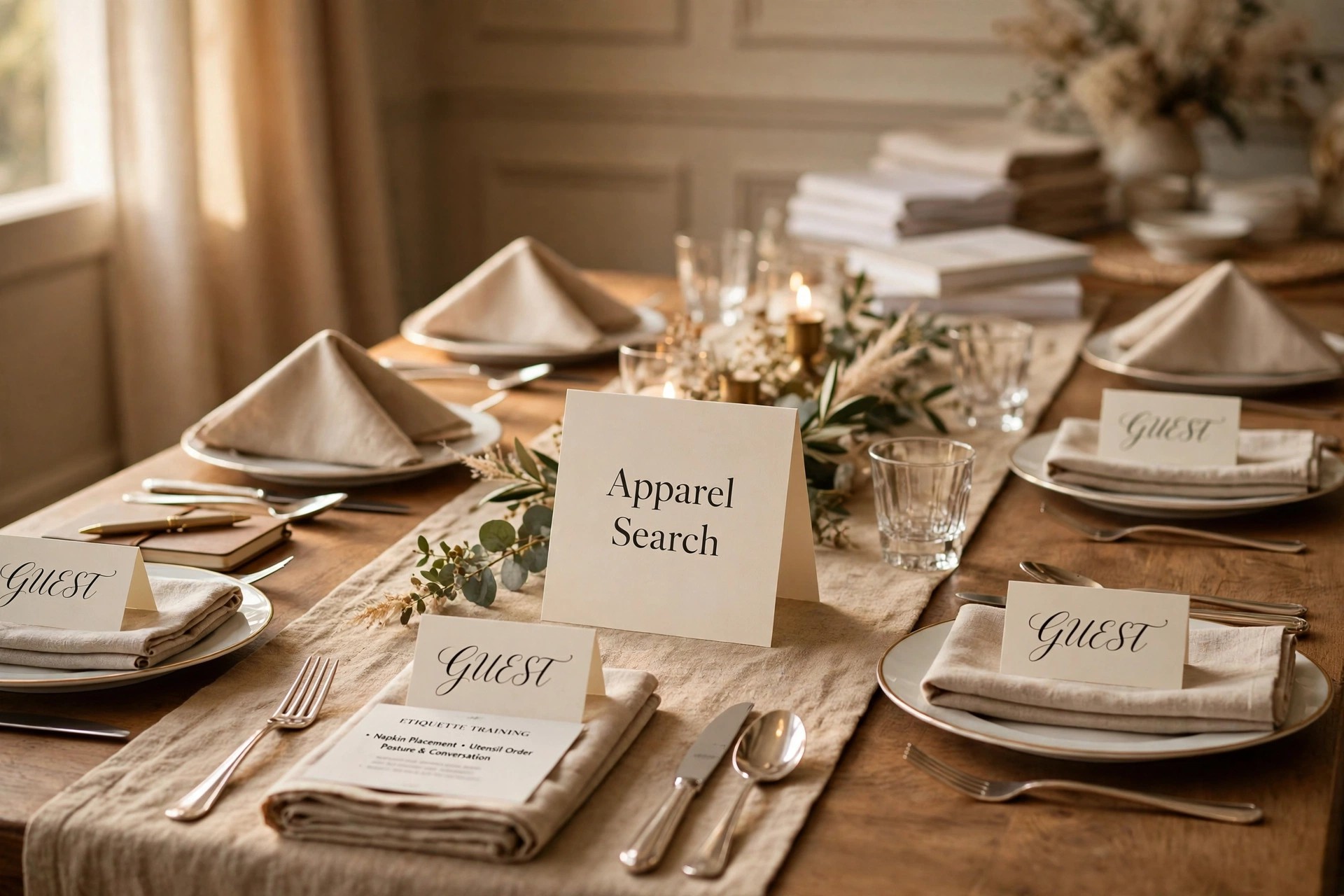
What the Etiquette Consultant Guide Covers
Good etiquette can be taught, and teaching it well is a skill in itself. The guide covers the areas of etiquette a consultant can specialise in, how to coach and present, where employed roles can be found, and how to set up a consulting business of your own.
- How to become an expert in business etiquette
- How to become an expert in dining etiquette
- How to become an expert in social etiquette
- How to become an expert in children's etiquette
- How to become an expert in international etiquette
- How to coach individuals on proper etiquette
- Etiquette and protocol jobs with corporations, governments, resorts, and other employers
- How to start an etiquette consulting business
- How to price your services and find clients
- How to present etiquette seminars and workshops
- How to present corporate training programmes
- Forms and samples you can use in starting your own business
What Etiquette Consultants Do
An etiquette consultant teaches good manners and protocol to people who want to feel confident in social and professional situations. The work can involve coaching individuals one to one, leading seminars and workshops, and delivering corporate training programmes for staff. Specialisms include business etiquette, dining etiquette, social etiquette, children's etiquette, and international etiquette, each with its own settings, expectations, and teaching approach. Preparation, observation, and feedback are part of almost every working week.
Day to day, consultants prepare lessons, demonstrate correct behaviour in a friendly and non-judgmental way, and adapt their advice to the audience in front of them. A session for children learning table manners looks very different from training for executives before an international meeting. Clear communication, patience, and genuine polish are essential, because clients judge the teaching by the consultant's own example. That personal example builds trust faster than any amount of theory alone ever could.
Skills, Routes In, and First Steps
To do this work well you first need to become a genuine expert in the areas of etiquette you plan to teach. Study the rules and reasoning behind business, dining, social, and international protocol, practise presenting to groups, and build the confidence to answer unexpected questions gracefully. Experience in training, hospitality, education, or corporate settings can all provide a helpful foundation for this people-focused work. Confidence grows with practice, study, and honest feedback from clients.
There are two main routes in: employment and your own business. Etiquette and protocol roles exist with corporations, governments, resorts, and other employers, while many consultants start an independent consulting business, price their services, and find their own clients. A practical first step is choosing a specialism, such as children's classes or corporate training, and offering a first workshop to build experience. Trial sessions with a small group are a low-risk way to begin.
Common Questions
Who hires etiquette consultants?
Etiquette consultants work with individuals, children, and adults, as well as organisations. Etiquette and protocol jobs exist with corporations, governments, resorts, and other employers, and many consultants also run their own businesses serving private clients.
What areas of etiquette can I specialise in?
Consultants can develop expertise in business, dining, social, children's, or international etiquette. Many choose one or two areas to begin with, such as children's classes or corporate dining and business protocol, and broaden their offer over time.
How do etiquette consultants work with groups?
Group work usually takes the form of etiquette seminars, workshops, and corporate training programmes. Consultants present the rules of proper etiquette in an engaging way and coach participants as they practise, whether the setting is a classroom, a dining table, or a company training room.
More to Explore
References & Further Reading
Career Guides — All Guides
- Job Guide "How To" Directory
- How to become a Boutique Owner
- How to become a Bridal Shop Owner
- How to become an Etiquette Consultant (current page)
- How to become an Events Organizer
- How to become a Fashion Designer
- How to become a Fashion Stylist
- How to become an Image Consultant
- How to become a Makeup Artist
- How to become a Model in the Fashion Industry
- How to become a Public Relations Consultant
- How to become a Published Writer
- How to become a Super Salesperson
- How to become a Professional Photographer