How to Become a Makeup Artist
Apply makeup professionally for clients, shoots and productions
A makeup artist applies makeup to enhance or transform how a person looks, working with individual clients, performers, models and production teams. The role combines technical skill — understanding skin, color, face shapes and products — with a professional, hygienic and reliable way of working with people. Artists work with brushes, sponges and a wide range of products, and they adapt every application to the individual face in front of them.
This page explains what makeup artists do, how technique is matched to coloring, skin type and features, and how to choose training. It also covers building your kit and portfolio, finding employed roles, and developing freelance work across events, media and the stage. It is written for complete beginners as well as beauty workers who want to formalise their skills and take on a wider range of professional bookings.
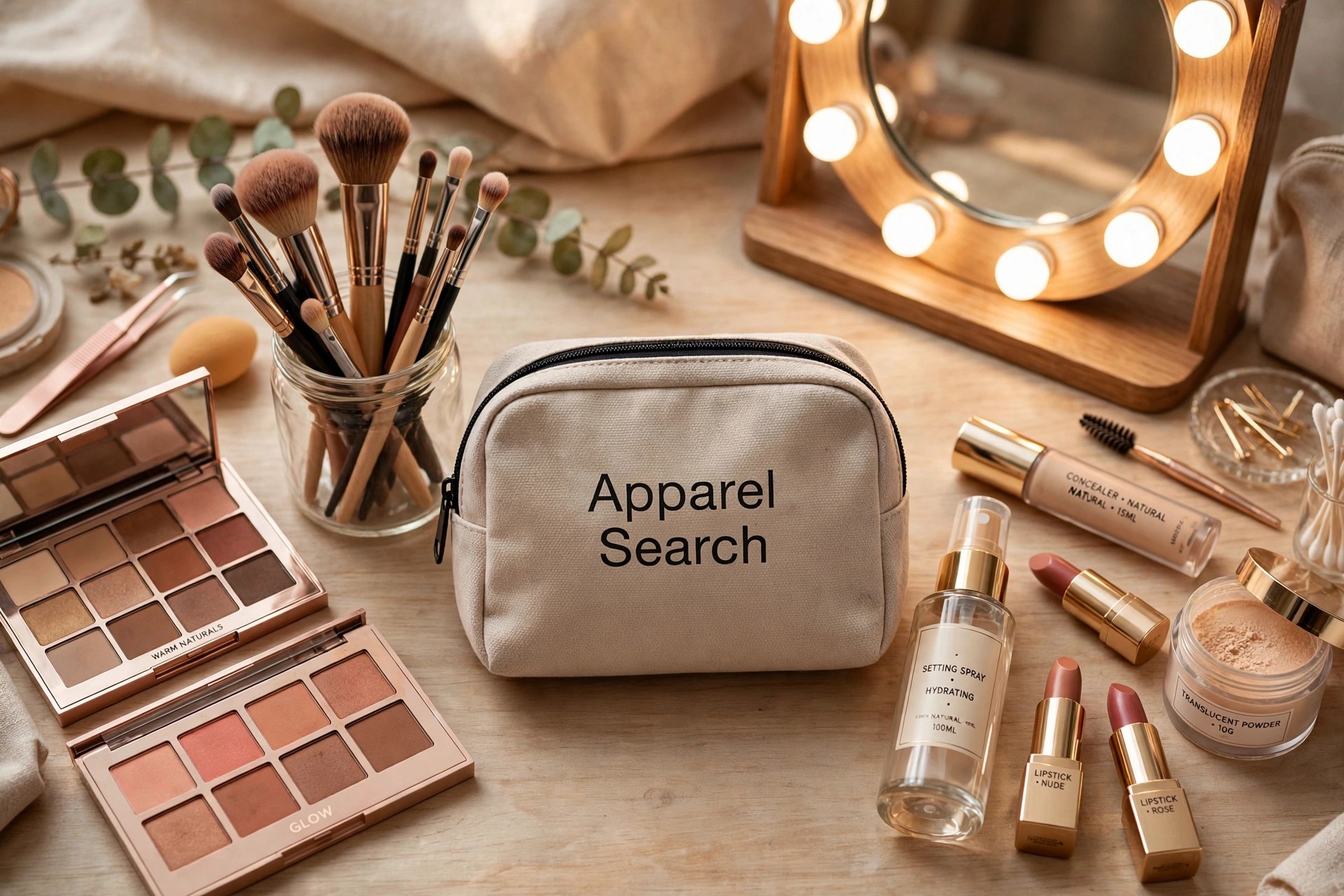
What the Makeup Artist Guide Covers
The guide covers professional technique, training choices and the main routes into employed and freelance makeup work. Here are the main topics it covers:
- How to apply makeup like a professional makeup artist
- Matching makeup to someone's coloring, skin type, face shape and features
- What you must have in your makeup kit
- How to choose a makeup artist training program
- How to get a job as a makeup artist for a salon or spa
- How to get a job with a retail store or cosmetics company
- How to get freelance work for advertisements and magazines
- How to get freelance work for movies, music videos and TV
- How to get freelance work for runway shows and theater
The Work and the Skills Behind It
Makeup artists work in varied settings: salons, spas and retail counters, weddings and special events, and productions for photography, advertising, magazines, film, television, theatre and runway shows. Each setting has its own pace and requirements — a retail consultation differs from a long shoot day — but all depend on clean technique, careful product selection and an understanding of how makeup behaves in person and on camera wherever you are working.
You need a steady hand, a good eye for color and detail, and strong hygiene habits, including cleaning brushes and tools between clients and checking products regularly. Listening matters as much as technique: clients and creative teams will describe the look they want, and your job is to interpret it appropriately for the person, the occasion and the lighting. Reliability and a calm, professional manner lead to repeat bookings every single time.
Training, Your Kit and Finding Work
Training routes include dedicated makeup programs, beauty school courses and shorter specialist workshops, as well as learning by assisting experienced artists. When choosing a program, look for plenty of supervised practical work on different faces, honest guidance on products and hygiene, and help with building a portfolio. Practise widely, photograph your work in good light, and keep your portfolio focused on the kind of work you want to be hired for.
Build your kit gradually around versatile, well-kept essentials suited to a range of skin tones and types, rather than buying everything at once. For employment, look to salons, spas, retail stores and cosmetics companies; for freelance work, connect with photographers, stylists, event planners and production teams, assist on shoots to gain set experience, and present yourself professionally with a clear portfolio and simple booking information and respond promptly and clearly to enquiries.
Common Questions
Do I need formal training to become a makeup artist?
Formal training is not the only route, but a good program or course gives you supervised practice, technique and hygiene standards that are hard to learn alone. Many artists combine training with assisting experienced professionals, and employers and clients will judge you mainly on your portfolio and practical work.
What should be in a starter makeup kit?
Start with versatile essentials that cover a range of skin tones and types: foundations and concealers, basic color products for eyes, cheeks and lips, good brushes and tools, and proper cleaning supplies. Add specialist products gradually as your bookings require them, and keep everything clean and in date.
Where can makeup artists find work?
Employed roles exist in salons, spas, retail stores and cosmetics companies. Freelance work comes from weddings and events, photographers, advertisements, magazines, film, television, music videos, runway shows and theater, usually built up through assisting, contacts and a strong portfolio.
More to Explore
References & Further Reading
Career Guides — All Guides
- Job Guide "How To" Directory
- How to become a Boutique Owner
- How to become a Bridal Shop Owner
- How to become an Etiquette Consultant
- How to become an Events Organizer
- How to become a Fashion Designer
- How to become a Fashion Stylist
- How to become an Image Consultant
- How to become a Makeup Artist (current page)
- How to become a Model in the Fashion Industry
- How to become a Public Relations Consultant
- How to become a Published Writer
- How to become a Super Salesperson
- How to become a Professional Photographer