What Is Your Favorite Textile Fiber for Clothing?
A textile poll on the fibers people most like to wear
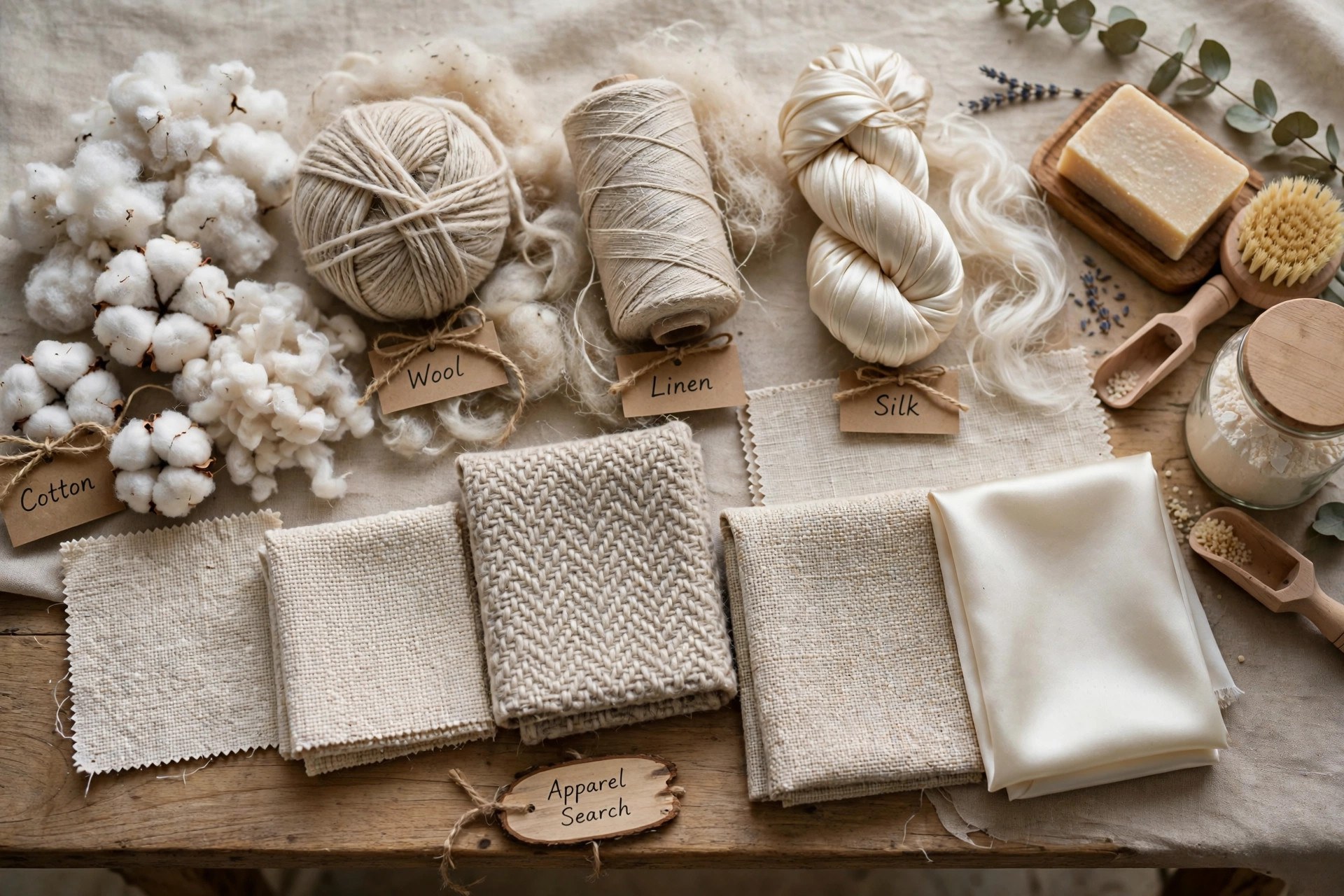
Every garment begins as a fiber, and this poll asks which one people like best against their skin: cotton, wool, linen, silk, or one of the manufactured fibers such as polyester, nylon, rayon or spandex. Each candidate has a genuine claim. Cotton is soft, breathable and easy to care for; wool insulates even when damp and resists odor; linen is the coolest classic summer fiber; silk is unmatched for smoothness and luster. Manufactured fibers answer with durability, stretch, wrinkle resistance and price. Preference usually follows wardrobe — the fiber of the clothes someone wears most becomes the favorite — and climate, since the best fiber in a northern winter is a poor answer in a tropical summer.
What is your favorite textile fiber for
clothing?
Fashion Polls : Research clothing and
style by using a fashion poll.
Fashion Polls Textile Industry Directory Textile fibers Fashion Industry Polls Fashion Industry Research Fashion Education Fashion Schools Fashion Apparel Clothing
Thank you for visiting the, "What is your favorite textile fiber for clothing?" poll. Try another fashion poll.
You can discuss this issue and any other issue relevant to fashion at the Fashion Industry Network Discussion area.
Learn more about the textile industry here on Apparel Search.
Can website polls be shocking? Read about the new web poll technology.
A fashion poll is essentially a survey of the public or a sampling of public opinion to acquire information about a particular issue relevant to fashion or the fashion industry. Polls can be taken either online or offline.
The Natural Fibers' Claims
Cotton's claim is versatility: it takes dye well, washes easily, and suits everything from T-shirts to denim, which is why it anchors most wardrobes. Wool's claim is performance that predates the word — it traps warmth, manages moisture, springs back from wrinkles and can be worn longer between washes. Linen, spun from flax, breathes better than any other classic fiber and softens with washing, at the cost of creasing readily. Silk is the luxury answer, smooth against skin, light, and naturally temperature-regulating. These fibers share one more quality voters often cite: they are biodegradable products of renewable harvests, though their farming and processing footprints differ greatly from fiber to fiber.
The Manufactured Fibers' Claims
Manufactured fibers were each invented to fix a natural fiber's weakness. Polyester fixes cotton's slow drying and adds wrinkle resistance and strength; nylon fixes silk's fragility in hosiery and adds abrasion resistance to outerwear; rayon and its successors imitate silk's drape at a fraction of its price; spandex, used in small percentages, gives every other fiber stretch and recovery it could not have alone. Price is the quiet argument underneath: manufactured fibers made consistent quality cheap, and most modern garments are blends precisely because no single fiber wins on comfort, durability, care and cost at once. A favorite-fiber answer is therefore often a vote for a blend's dominant partner.
Common Questions
What are the main natural fibers used in clothing?
Cotton, wool, linen (from flax) and silk — valued respectively for versatility and easy care, warmth and resilience, cool breathability, and smoothness and luster.
What do manufactured fibers add?
Polyester adds strength, quick drying and wrinkle resistance; nylon adds abrasion resistance; rayon imitates silk's drape at lower cost; spandex adds stretch and recovery, usually in small percentages in blends.
Why are so many garments made from blends?
Because no single fiber wins on comfort, durability, care and cost at the same time — blending lets a garment combine, for example, cotton's feel with polyester's strength and spandex's stretch.