Barneys Careers
Barneys New York — the closed luxury store, its careers, and the skills they still carry
Barneys New York was America's most editorially confident luxury department store — the Madison Avenue flagship and a handful of stores that introduced generations of shoppers, and staff, to designers before anyone else stocked them. Its careers carried that reputation: personal shoppers and department sellers with genuine designer knowledge, buyers famous for spotting labels early, and visual, editorial and restaurant teams that made the stores feel like galleries that happened to sell clothes.
The store company no longer operates. Barneys filed for bankruptcy in 2019 and its stores, including the Madison Avenue flagship, closed in early 2020; the Barneys name survives under licence in other retailers' shop-in-shop formats, which are staffed by those retailers, not by a Barneys company. There are therefore no Barneys applications to make. This page records the role families the store employed, because a Barneys line on a resume still speaks fluently to every luxury retailer hiring today.
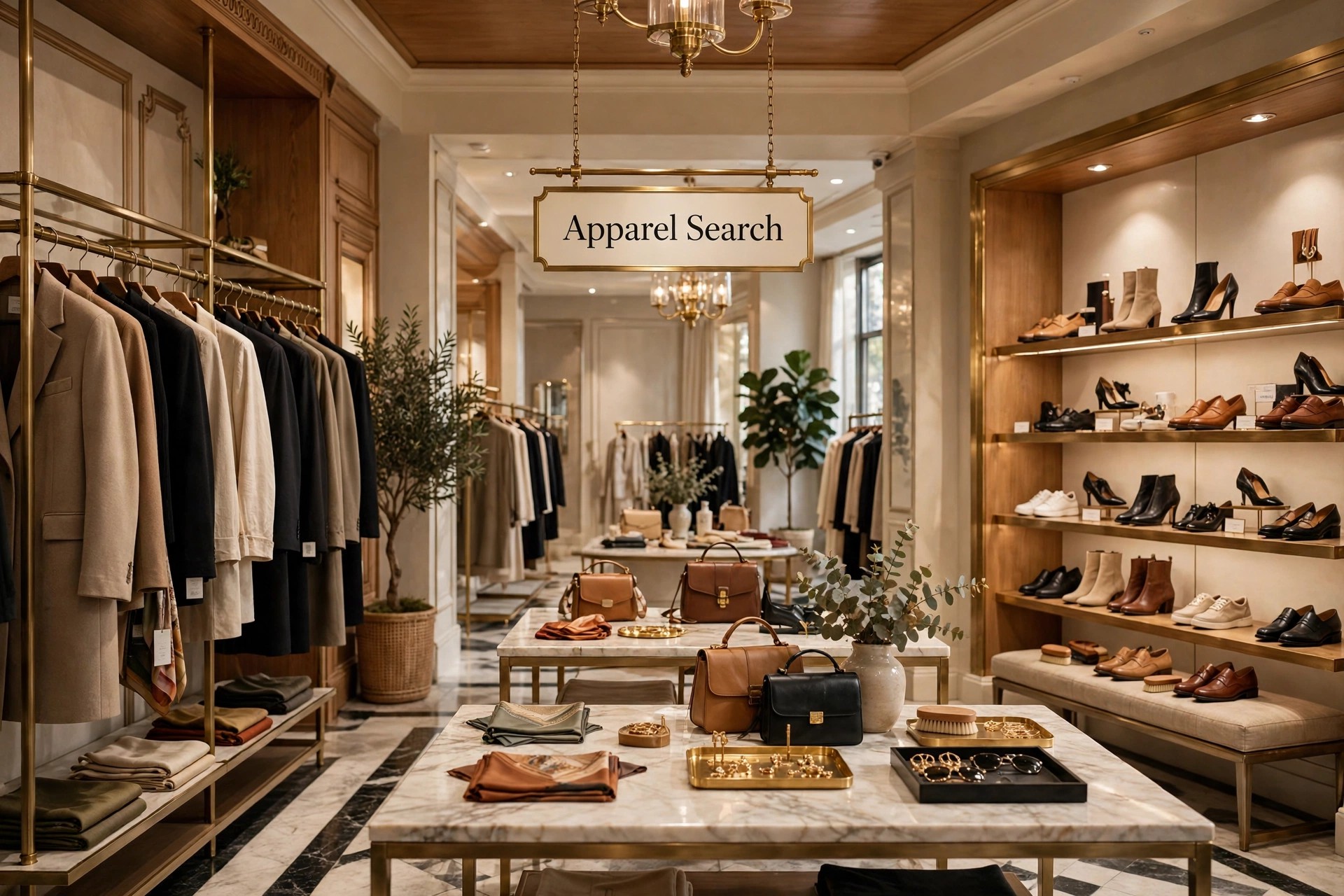
Find Current Barneys Job Listings
Current openings at Barneys are posted through the company's own careers pages and the job boards — these links lead straight to them:
Selling at Barneys: The Luxury Floor
Floor careers at Barneys were built on product knowledge at designer depth. Sellers in ready-to-wear, shoes, accessories and the famous apothecary and jewellery floors were expected to know collections garment by garment — fabrics, fits, the story of a young label's second season — and to keep client books of customers who returned for that judgement. Personal shopping and studio services roles extended the same craft: wardrobes assembled across departments, gifts sourced, alterations and tailoring coordinated.
Store leadership, visual merchandising and display roles protected the store's particular theatre — windows and installations that fashion people photographed and copied — while operations, loss prevention and the flagship's restaurants and cafes ran a very large building. The through-line in every department was taste treated as a professional qualification: Barneys hired people whose eye it trusted, then trained them in the service standards luxury prices require.
Buying, Editorial and Head Office
Barneys buyers were the store's legend. The buying office championed emerging designers early, carried exclusive and small labels the rest of the market considered risks, and balanced them against the established houses that anchored each department. Assistant buyers and merchandise assistants learned range construction at the highest price register in American retail — open-to-buy discipline applied to product chosen partly on instinct, which is the hardest buying education there is.
Around the buyers sat the functions that made Barneys a media voice as much as a store: editorial and content teams, marketing and events, e-commerce and photography for its online business, and planning, finance and supply chain staff supporting a small estate of very high-value stores. Those teams dispersed in 2020 into the wider luxury industry, where the Barneys training — early designer knowledge, editorial confidence, exacting presentation — remains a recognised credential.
The Barneys Name Today
After the store closures, the Barneys brand was licensed for shop-in-shop departments inside other retailers, beginning with Saks Fifth Avenue in the United States and formats in Japan, where Barneys stores had long traded under a separate licence. Jobs connected with those departments belong to the host retailers and licensees, and are advertised through their own careers sites — there is no central Barneys employer to apply to, and any site claiming to take Barneys applications directly should be treated with caution.
For job seekers, the useful move is translation: describe Barneys experience in the vocabulary luxury employers use now — clienteling and client books, designer and emerging-label knowledge, high-value transaction service, editorial visual standards. The fashion careers hub linked from this page leads to the company guides for luxury retailers that are hiring, where those same role families appear under current names.
The Co-op and the Emerging Designer Pipeline
Barneys' Co-op floors were its talent policy made visible: young labels given real space, and young staff given real responsibility for selling designers their own age. Buyers for Co-op learned to back unproven names with department store money, and sellers learned to introduce customers to labels they had never heard of — the hardest sell in luxury, and the most educational. That pipeline habit, spotting and championing the new before consensus forms, is the single most cited Barneys skill in the industry today, and it is why its buying alumni remain so employable.
Common Questions
Is Barneys New York still operating?
The store company is not. Barneys filed for bankruptcy in 2019 and closed its stores, including the Madison Avenue flagship, in early 2020. The name continues under licence inside other retailers.
Can I apply for a job at Barneys?
There is no Barneys employer taking applications. Staff for licensed Barneys departments are hired by the host retailer or licensee, so apply through that retailer's official careers site instead.
What careers was Barneys known for?
Luxury floor selling and personal shopping with deep designer knowledge, influential buying roles that championed emerging labels, and visual, editorial, e-commerce and store leadership careers in its flagship and branch stores.
More to Explore
- Barneys New York
- Fashion Careers
- Fashion Jobs
- Apparel Industry Employment Agencies
- Fashion Careers by Company
- Fashion Careers by Category
- Fashion Careers by State
- Fashion Job Description Categories
- Job Search Engines
- Fashion Career Internships
- Message to Employees About Fashion Career
- Message to Employers About Employees
- Fashion Job Search
- Clothing Industry Jobs
- View Fashion Jobs
- fashion business