Charlotte Russe Careers
Charlotte Russe — junior fast fashion, from mall chain to relaunched online brand
Charlotte Russe was a fixture of American malls for four decades: founded in 1975 and named for a French dessert, it sold fast, inexpensive fashion to teens and young women — dresses, denim, shoes and accessories turned over at high speed and low prices. At its peak the chain ran several hundred stores from a San Francisco and San Diego corporate base, employing store teams by the thousand and corporate staff in design, buying, planning and marketing for the junior market.
The chain's store era ended in 2019, when Charlotte Russe filed for bankruptcy and closed all of its stores. The brand name was then acquired by the Canadian retailer YM Inc., which relaunched Charlotte Russe online and in selected store formats under its own organisation. The practical consequence: there is no Charlotte Russe company hiring store staff in the old structure — any current roles sit with YM Inc. and are found through its channels. This page records the original retailer's careers and explains the relaunch honestly.
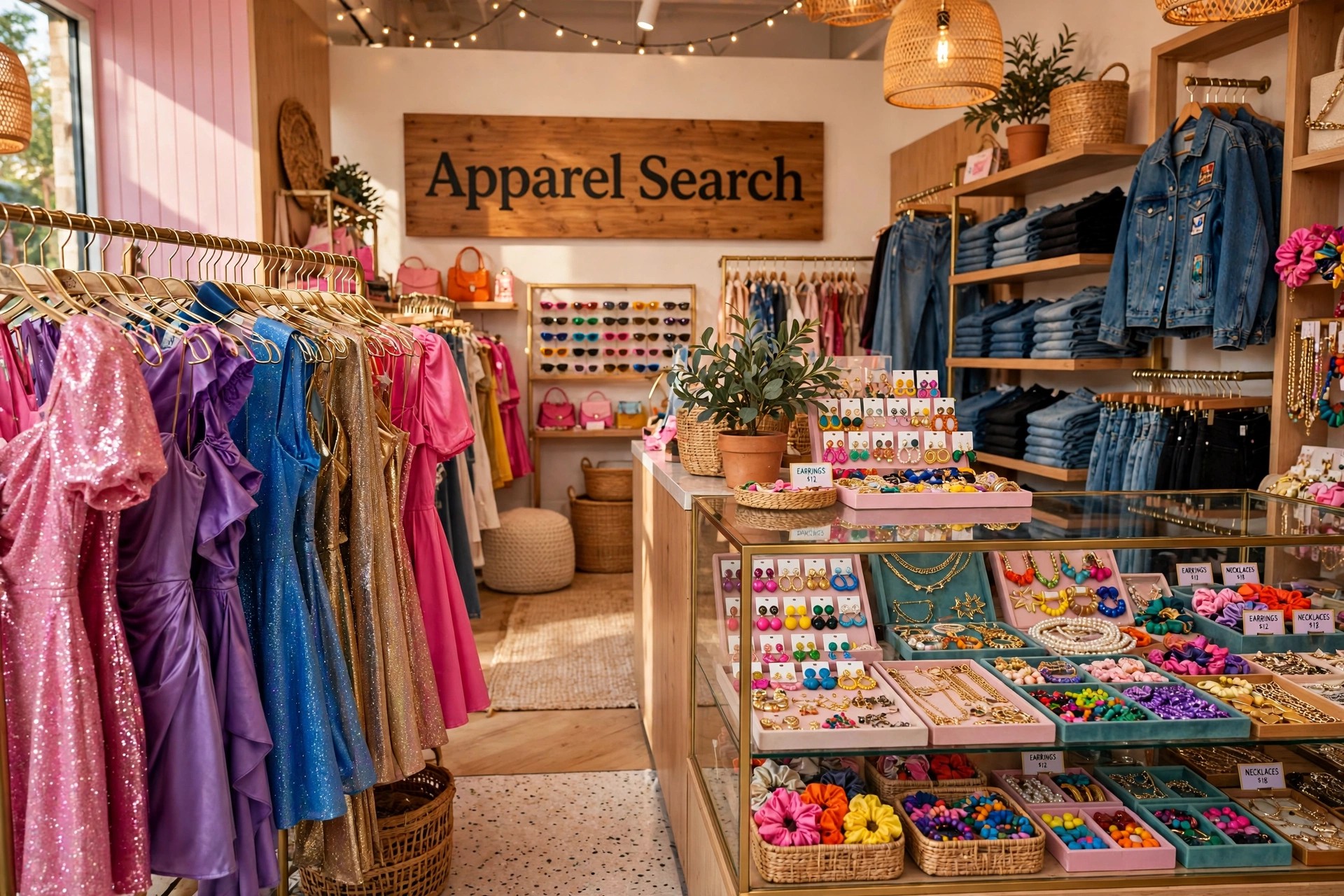
Find Current Charlotte Russe Job Listings
Current openings at Charlotte Russe are posted through the company's own careers pages and the job boards — these links lead straight to them:
Store Careers in Junior Fast Fashion
Charlotte Russe stores were an education in velocity. Ranges turned in weeks, promotions stacked on promotions, and the customer — a teenager or twenty-something with limited money and unlimited appetite for newness — expected the floor to look different at every visit. Associates developed fast fitting-room craft, loss-prevention awareness in a high-shrink category and an instinct for outfit-building at a total price a young customer could actually pay.
Store and assistant managers ran constant floor moves, delivery processing measured in hours, and staffing built around after-school and weekend peaks. Junior retail of this kind is often dismissed as simple; in practice it teaches trend literacy, speed and promotional arithmetic that slower formats never demand, and its alumni staff much of today's value and fast-fashion sector. The 2019 closures ended those jobs abruptly, but the experience remained legible to every comparable employer.
Corporate Roles: Buying Speed in San Francisco
The corporate side existed to feed that velocity. Buyers and assistant buyers for the junior market worked short lead times, largely on imported product, reading early sales signals and chasing winners within the season. Design and product development translated runway and street trends into opening price points; technical and quality roles protected fit and construction at prices that left no margin for error; planners managed open-to-buy across a large mall estate with volatile fashion risk.
Marketing spoke fluent early social and campus culture, and e-commerce grew from a small channel into a significant business before the closure. All of it dispersed in 2019. In the relaunched brand, the equivalent functions — digital trading, product and marketing for the Charlotte Russe name — sit inside YM Inc., alongside its other young-fashion fascias, and are recruited through YM's own careers pages in Canada and the United States.
Applying in the Relaunch Era
If you want to work on the Charlotte Russe brand today, the employer to research is YM Inc.: check its official careers channels for roles naming the brand, which will be digital, product or selected retail roles under YM's structure, not a revival of the old chain. Be precise about postings found on aggregator sites — descriptions from the pre-2019 store network circulate for years and do not represent live jobs.
For those with the original chain on their record, keep the description functional — junior fast-fashion store leadership, chase buying, promotional planning — and note the closure plainly as a company event. Hiring managers in young fashion know exactly what a Charlotte Russe store demanded, and the brand's afterlife as a relaunched name does not diminish a well-evidenced spell inside the original business.
A Name With Two Lives
Charlotte Russe is a case study in what a brand name is worth after its company dies. The 2019 liquidation ended thousands of jobs and a forty-year retail business, yet the name alone — its memory in a generation of shoppers — was valuable enough for another retailer to buy and relaunch. Staff alumni should understand their own position in that story: the goodwill that made the name saleable was created in their stores, and describing that contribution concretely is both accurate and persuasive in applications elsewhere.
Common Questions
Did Charlotte Russe close?
The original chain filed for bankruptcy in 2019 and closed all of its stores. The brand name was acquired by YM Inc., which relaunched Charlotte Russe online and in selected formats under its own organisation.
What jobs did Charlotte Russe offer?
Fast-fashion store roles in selling and store management across several hundred mall stores, and corporate roles in junior buying, design, product development, planning, marketing and e-commerce.
How do I apply for Charlotte Russe work now?
Through YM Inc., the brand's current owner — check its official careers channels for roles naming Charlotte Russe. There is no hiring by the pre-2019 company, which closed.
More to Explore
- About Charlotte Russe
- Fashion Careers
- Fashion Jobs
- Apparel Industry Employment Agencies
- Charlotte Russe News
- Charlotte Russe Financials
- Fashion Careers by Company
- Fashion Careers by Category
- Fashion Careers by State
- Fashion Job Description Categories
- Job Search Engines
- Fashion Career Internships
- Message to Employees About Fashion Career
- Message to Employers About Employees
- Fashion Job Search
- Clothing Industry Jobs
- View Fashion Jobs
- fashion business