Family Dollar Careers
Working at Family Dollar — thousands of small neighbourhood stores, value basics and a standalone company's career paths
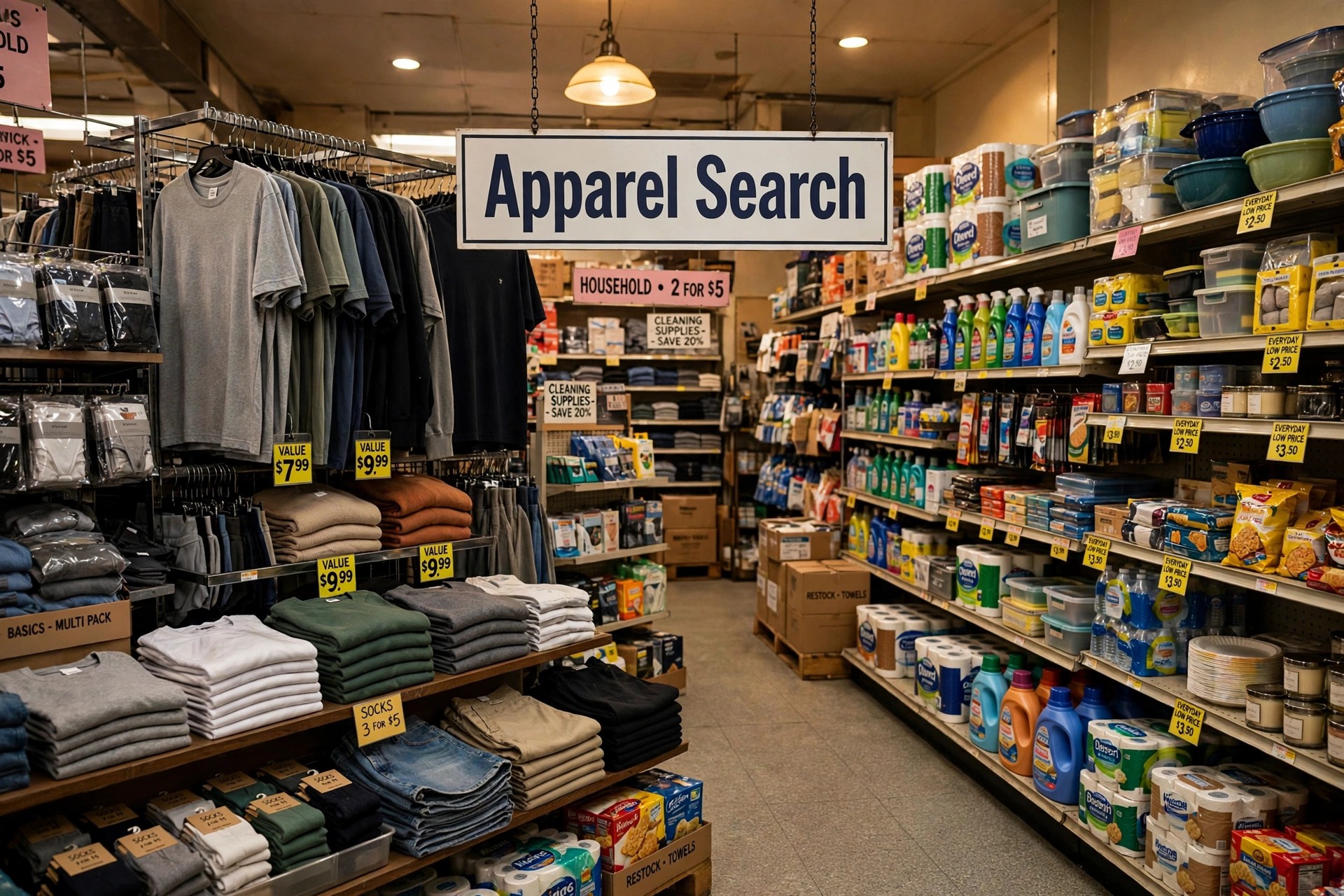
Family Dollar is an operating discount chain founded in 1959, begun in Charlotte, North Carolina and later headquartered in Virginia under Dollar Tree ownership, trading through thousands of small stores in neighbourhoods across the United States. Its offer is everyday value — food, household essentials, health and beauty, and apparel as a basics department of socks, underwear, tees, children's clothes and seasonal items — and its careers are store-first: most of its workforce runs those small neighbourhood shops.
The ownership story matters to applicants. Dollar Tree acquired Family Dollar in 2015, and in 2025 Dollar Tree sold the chain to private-equity buyers, Brigade Capital and Macellum, so Family Dollar operates again as a standalone private company with its own leadership and hiring. Apply only through the official Family Dollar careers site carried in the references. This guide explains the role families — store, distribution and merchandising — rather than listing openings that change daily.
Find Current Family Dollar Job Listings
Current openings at Family Dollar are posted through the company's own careers pages and the job boards — these links lead straight to them:
Store Careers in Neighbourhood Discount Retail
A Family Dollar store runs lean: a store manager, assistant managers and customer service representatives covering the whole shop in shifts. The skills are breadth and pace — receiving and working freight, pricing and rotating stock, running the register, and keeping a small, dense store safe and shoppable. Apparel is one responsibility among many, handled as value basics: keeping size runs of socks, underwear and children's clothing complete, and setting seasonal clothing features on time.
Progression is a genuine feature of the model, because thousands of small stores need thousands of managers. Representatives step up to assistant and store manager roles, and store managers to district leadership overseeing groups of neighbourhood locations. The record that travels is small-store general management: labour, shrink, freight flow and community customers, all owned by a team small enough that every person's contribution shows in the numbers.
Distribution, Merchandising and Corporate Roles
Behind the stores, distribution centres move a high-frequency, low-price assortment to a very large estate of small shops, and careers there span warehouse operations, transportation, inventory and supply chain planning. The replenishment problem is distinctive: small stores cannot hold depth, so accuracy and frequency matter more than bulk, and distribution staff learn a discipline that larger-format retail rarely teaches as sharply. Team leaders and supervisors in those centres learn to plan around store size rather than order size, sequencing picks so a small shop can work its delivery the same morning it arrives. That store-first thinking is a stated expectation of distribution staff, not an afterthought added once the trucks are loaded.
Merchandising and buying roles cover the chain's categories, with apparel sitting inside the non-consumables side of the business: buyers and assistants sourcing value basics and seasonal clothing at price points where pennies decide the range, planners allocating limited depth across thousands of doors, and quality and sourcing staff managing import and domestic vendors. Corporate functions in Virginia and elsewhere — marketing, store operations, human resources, finance and technology — support the standalone company.
Applying to Family Dollar
Apply through the official Family Dollar careers site carried in the references on this page, where store roles are listed by location and distribution and corporate roles by department. Store applicants should evidence reliability, freight and register competence, and comfort running varied tasks in a small team. Merchandising applicants should be ready to discuss value basics economics — opening price points, size completeness and seasonal timing — rather than fashion range building.
Because the chain became a standalone company again in 2025, check each posting's employer details carefully and use only the official site: older listings and third-party boards may still describe the business under its previous ownership. Openings change constantly with local staffing needs, so treat this page as the map of role families and the careers site as the only current list of vacancies.
Freight Before Everything: The Small-Store Morning
A Family Dollar day is won or lost before the doors open. With a small team and a small stockroom, the morning freight has to be received, sorted and worked straight to the shelf — there is nowhere for it to wait — and apparel basics are triaged alongside food and household lines by whoever is on shift. Staff who master that rhythm learn true retail prioritisation: what a neighbourhood needs today, what can hold, and how an empty sock fixture costs more than its price suggests. Managers promoted from that floor carry a freight discipline that larger stores, with dedicated back-room teams, seldom instil in their own people. The same discipline governs apparel changeovers, where yesterday's feature must clear completely for today's delivery.
Common Questions
Who owns Family Dollar now?
Family Dollar was acquired by Dollar Tree in 2015. In 2025 Dollar Tree sold the chain to private-equity buyers Brigade Capital and Macellum, and Family Dollar now operates again as a standalone private company.
What kinds of jobs does Family Dollar offer?
Store roles as customer service representatives and assistant and store managers, distribution centre and supply chain roles, and merchandising and buying roles — including value apparel basics within non-consumables — plus corporate support functions.
How do I apply for a Family Dollar job?
Through the official Family Dollar careers site carried in the References on this page. Search by location for store and distribution roles, or by department for merchandising and corporate roles.
More to Explore
- Fashion Careers
- Fashion Jobs
- Apparel Industry Employment Agencies
- Family Dollar Store News
- Family Dollar
- Fashion Careers by Company
- Fashion Careers by Category
- Fashion Careers by State
- Fashion Job Description Categories
- Job Search Engines
- Fashion Career Internships
- Message to Employees About Fashion Career
- Message to Employers About Employees
- Fashion Job Search
- Clothing Industry Jobs
- View Fashion Jobs
- fashion business