Ross Stores Careers
Working at Ross Stores — off-price buying, fast distribution and treasure-hunt stores at national scale
Ross Stores is an operating American off-price retailer headquartered in Dublin, California, and listed on Nasdaq under the ticker ROST. It runs more than 2,300 stores under two chains — Ross Dress for Less, by far the larger, and dd's DISCOUNTS, its more deeply discounted sister — selling brand-name apparel, shoes, accessories and home goods at prices well below department and specialty stores. It is a Fortune 500 business with annual sales above twenty billion dollars, and unusually for a retailer of its size, it designs almost nothing: its fashion skill is buying.
That shapes every career here. The company's buyers work the market opportunistically, purchasing closeouts, overruns and cancelled orders from thousands of vendors, and its planners, distribution centres and stores exist to move that ever-changing merchandise to the floor fast. Buying and planning offices sit in New York, Los Angeles and Boston; corporate functions sit in Dublin; eight distribution centres feed the estate. This guide covers those role families honestly, including the fact that design and product development careers, in the brand sense, are not part of the picture. The estate also keeps growing, with new stores opening each year, so hiring volume in stores and distribution is structural rather than seasonal.
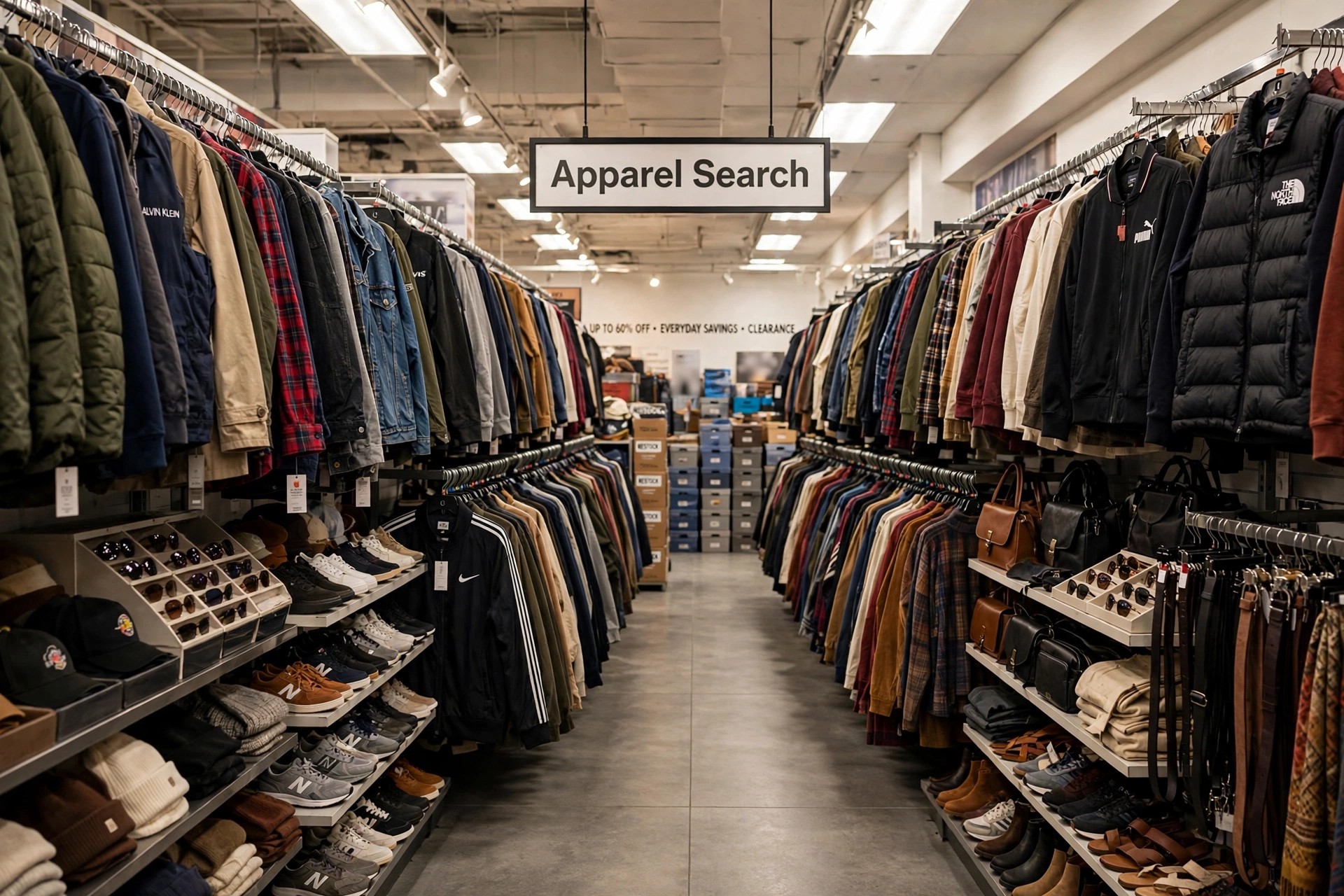
Find Current Ross Stores Job Listings
Current openings at Ross Stores are posted through the company's own careers pages and the job boards — these links lead straight to them:
Buying and Planning: The Heart of the Off-Price Model
Off-price buying is a distinct craft. Ross buyers travel the market constantly — vendor showrooms in New York and Los Angeles, brand warehouses, trade events — negotiating for merchandise other retailers passed on, ordered too much of, or made in the wrong colour, and judging in minutes whether it will delight a Ross customer at the target price. There is no replenishment safety net and no catalogue to reorder from: a missed deal is gone, and a bad buy sits in the stores as a visible mistake. The leanness around the buyers — plain fixtures, lean staffing, modest marketing — exists to protect that price gap, and buying decisions are judged against it deal by deal.
Planners and allocators work as the buyers' other half, forecasting how much each store cluster can sell, splitting purchases between Ross and dd's, and chasing what is working while it is still available. The ladder is well defined — assistant buyer and allocation roles, associate and senior levels, up to divisional responsibility — and it recruits fashion merchandising graduates and experienced department store buyers alike. What interviews probe for is commercial instinct: margin, sell-through and price architecture, argued from numbers rather than taste alone. Buyers are also discreet by professional habit: sources, prices and upcoming deals are commercially sensitive, and the vendor trust a buyer builds over years is a career asset that travels with them between employers.
Store Careers at Ross Dress for Less and dd's DISCOUNTS
The stores are where the model meets the customer. Associates handle a floor that changes daily — unloading and processing deliveries, ticketing and sizing merchandise, recovering departments, running registers and loss-prevention-aware service — in a treasure-hunt format with no set assortment to memorise. Pace is the job's defining feature: off-price stores receive frequent deliveries of unpredictable stock, and presentation standards have to be rebuilt around whatever arrived. Loss prevention is woven into ordinary store roles rather than siloed in a separate team, because open-sell floors carrying famous brands at cut prices are attractive targets for theft.
Store leadership runs from area supervisors and assistant managers to store managers, who carry responsibility for staffing, shrink, processing speed and sales in a large local business, with district and regional management above them. dd's DISCOUNTS stores serve more budget-focused neighbourhoods with an even sharper value offer and a somewhat smaller format, drawing on the same skills. Retail careers here progress quickly for operators who can run a high-volume processing operation, and store experience is a common route into field and corporate roles.
Distribution Centres and Supply Chain
Eight distribution centres nationwide receive, process and ship the merchandise the buyers have gathered, and speed matters more than in conventional retail: a closeout bought at the right price loses its edge if it reaches the floor late. Roles range from warehouse associates and equipment operators through processing and ticketing teams to supervision, site management, inventory control and transportation planning, with supply chain and logistics leadership centred on the Dublin campus.
Apparel passes through these buildings in enormous, irregular variety — mixed sizes, colours and brands in a single delivery — so accuracy in sorting, ticketing and allocation is the core discipline. Applicants with warehouse or logistics backgrounds from any industry will recognise the work; what is specific to Ross is the variety problem, because almost nothing arrives as a standard, repeating case pack. Shift patterns follow store delivery schedules, and the centres hire at scale in their local markets. The network also processes the dd's DISCOUNTS flow, whose sharper price points demand the same speed at even tighter cost margins.
Corporate Roles in Dublin and Applying
Dublin hosts the corporate teams that support the whole estate: finance, human resources, information technology, real estate and store development for a chain still opening new stores each year, marketing, legal and strategy. Apply through the official Ross Stores careers channels linked in the References section below, searching by store location, distribution centre, buying office or corporate function. For buying roles, prepare to talk like a merchant — the deals you have judged, the margins you protected — and for store and distribution roles, evidence of pace and reliability in high-volume operations is what hiring managers look for first.
Common Questions
Where is Ross Stores headquartered?
Dublin, California. The company also runs buying and planning offices in New York, Los Angeles and Boston, eight distribution centres, and more than 2,300 Ross Dress for Less and dd's DISCOUNTS stores. It trades on Nasdaq as ROST.
Does Ross design its own clothing?
Essentially no. Ross is an off-price buyer of other brands' merchandise — closeouts, overruns and cancelled orders — so its fashion careers are in buying, planning and allocation rather than design or product development.
How do I apply for a Ross Stores job?
Through the official Ross Stores careers channels carried in the References on this page. Store, distribution centre, buying office and corporate openings are listed separately; apply to the specific location and role.
More to Explore
- Fashion Careers
- Fashion Jobs
- Apparel Industry Employment Agencies
- Ross Stores News
- Clothing Store News
- Ross Stores Financials
- Fashion Careers by Company
- Fashion Careers by Category
- Fashion Careers by State
- Fashion Job Description Categories
- Job Search Engines
- Fashion Career Internships
- Message to Employees About Fashion Career
- Message to Employers About Employees
- Fashion Job Search
- Clothing Industry Jobs
- View Fashion Jobs
- fashion business