TJX Careers
Working at TJX — the off-price giant where buying is the star career
The TJX Companies is the largest off-price apparel and home fashions retailer in the world, headquartered in Framingham, Massachusetts. Its banners — T.J. Maxx and Marshalls in the United States, HomeGoods and Homesense for home, Sierra for outdoor goods, and TK Maxx in Europe and Australia among international divisions — run on a single idea: buy brand-name and designer merchandise opportunistically and sell it at 20 to 60 percent below regular prices, in stores with no frills and constant turnover.
That model inverts normal retail careers. At TJX the buyer is the star: thousands of buyers worldwide purchase from tens of thousands of vendors, whenever opportunity appears, rather than planning seasons from a line sheet. Around them, planning, allocation, distribution and store operations are engineered to move unpredictable merchandise to the right store at extraordinary speed.
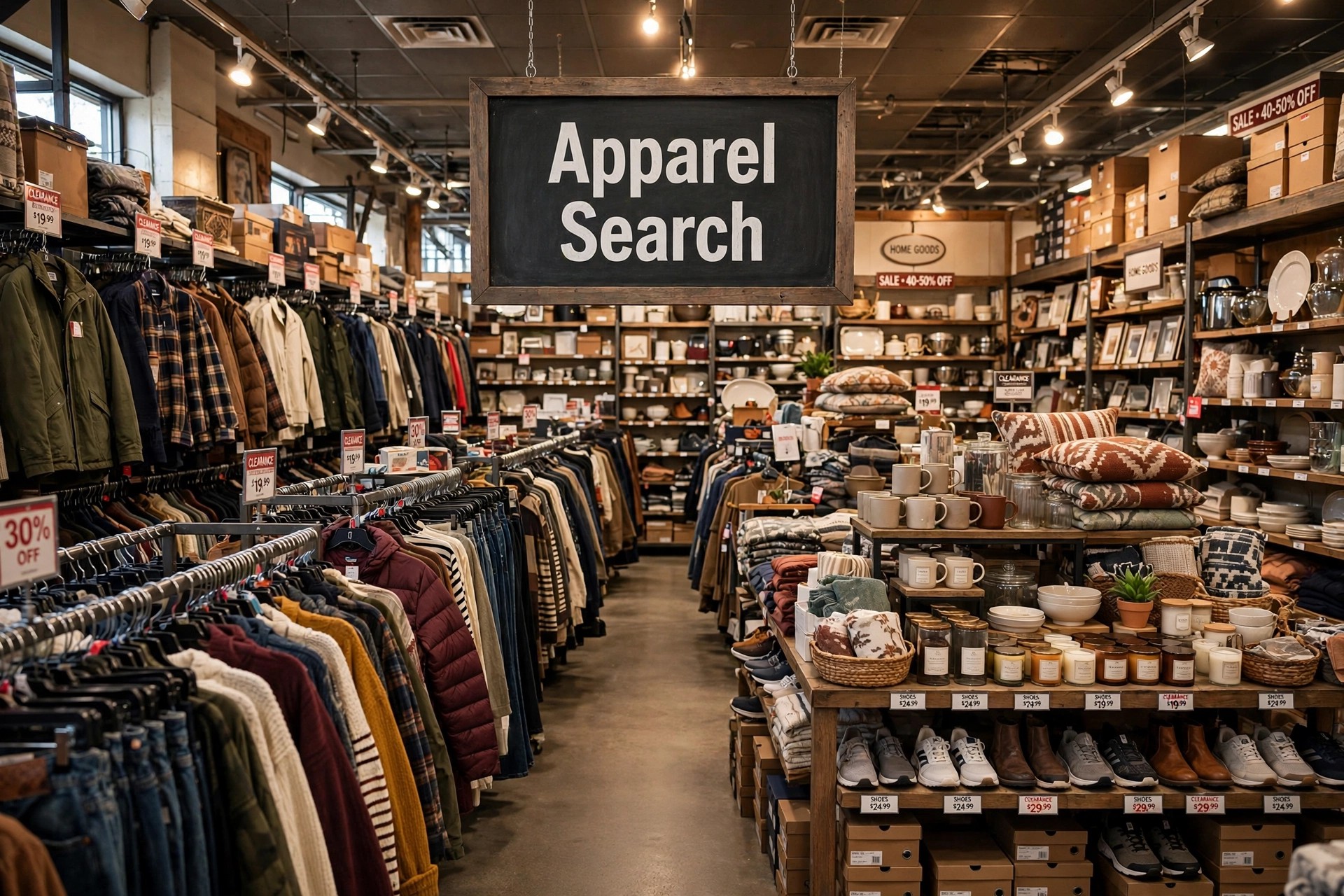
Find Current TJX Job Listings
Current openings at TJX are posted through the company's own careers pages and the job boards — these links lead straight to them:
The Buying Organisation
TJX buyers travel constantly — to vendors, showrooms, factories and trade markets — hunting overstocks, closeouts and specially produced goods across apparel, footwear, accessories, beauty and home. Buying careers are built by apprenticeship: assistant and associate buyers learn vendor negotiation, label valuation and the feel for what a TJX customer will sense as a find, and senior buyers carry open-to-buy authority that few other retailers grant, because speed of decision is the business model.
Merchandising support roles make those buys work: planners who model flow without a fixed assortment, and allocators who decide which of hundreds of stores gets a particular lot — the analytical heart of off-price, since no two stores carry the same stock and replenishment does not exist. The company's Massachusetts campus in Framingham and Marlborough houses this organisation at a scale unmatched in American apparel.
Store Careers Across the Banners
TJX stores are lean operations: merchandise arrives unpredictably and must be processed, ticketed and on the floor fast, so backroom and processing roles are as important as selling. Associates work a treasure-hunt floor — helping customers find one-off pieces, maintaining presentation in a constantly changing assortment, and managing the fitting rooms and queues that high traffic generates. Coordinators run departments such as ladies', men's, shoes and home within the store.
Store management and field leadership oversee a banner-specific mix: T.J. Maxx and Marshalls for family apparel, Sierra's outdoor speciality, HomeGoods' home focus. The estate grows steadily — TJX adds stores most years while much of retail shrinks — which keeps district and regional promotion paths active. Seasonal and part-time entry is common, and internal promotion into management is a stated pattern.
Distribution and Corporate Careers
Moving opportunistic freight is a logistics specialism: TJX distribution centres receive irregular assortments that cannot be handled like predictable replenishment, and the processing, ticketing and allocation systems built around that problem employ large warehouse, operations and industrial engineering teams. Loss prevention is likewise a significant function, since open off-price floors and designer labels attract organised theft attention.
Corporate roles at the Framingham-area headquarters cover finance, human resources, information systems, marketing, real estate — site selection for a constantly expanding estate — legal and global sourcing support. E-commerce is a deliberately smaller part of TJX than at rivals, but the tjmaxx.com and marshalls.com operations and their fulfilment teams still employ digital merchandisers and marketers.
Applying to TJX
Apply through the official TJX careers link in the listings card above; store and distribution postings run by location, buying and corporate roles through the headquarters listings. Buying-track applicants should understand that the path is apprenticeship-based and vendor-facing — evidence of label knowledge, negotiation instinct and comfort with ambiguity is what the organisation screens for. Store applicants should expect processing pace to feature in the interview as much as selling.
Common Questions
What companies does TJX operate?
T.J. Maxx, Marshalls, HomeGoods, Homesense and Sierra in the United States, Winners, Marshalls and HomeSense in Canada, and TK Maxx and Homesense in Europe and Australia.
Why are buyers so important at TJX?
The off-price model has no fixed assortment to plan: buyers purchase opportunistically from thousands of vendors — overstocks, closeouts and special buys — and their judgement about what will sell, at what discount, is the company's central skill.
Where is TJX headquartered?
Framingham, Massachusetts, with a major campus extending into neighbouring Marlborough. Distribution centres and stores operate across North America, Europe and Australia.
More to Explore
- The TJX Companies
- Fashion Careers
- Fashion Jobs
- Apparel Industry Employment Agencies
- TJX Stock Market Info
- TJX News
- Fashion Careers by Company
- Fashion Careers by Category
- Fashion Careers by State
- Fashion Job Description Categories
- Job Search Engines
- Fashion Career Internships
- Message to Employees About Fashion Career
- Message to Employers About Employees
- Fashion Job Search
- Clothing Industry Jobs
- View Fashion Jobs
- fashion business