Shoe Buyer Job Description
Buying footwear for resale — lasts, sizing runs, materials and the fit customers feel
A shoe buyer — also called a footwear buyer — selects the shoes a retailer sells: dress shoes, trainers, boots, sandals and the children's and comfort ranges that complete a footwear department. Footwear buying differs from clothing buying in one unforgiving way: fit is measured in millimetres, a shoe is built around a shaped last rather than cut flat, and an uncomfortable pair is returned, not altered. The shoe buyer balances fashion judgement with construction knowledge and size-run economics, working with factories and brands across long lead times. This page covers the duties, the specialist knowledge, and how shoe buyers build their careers.
More Buying Job Descriptions by Letter:
What a Shoe Buyer Does
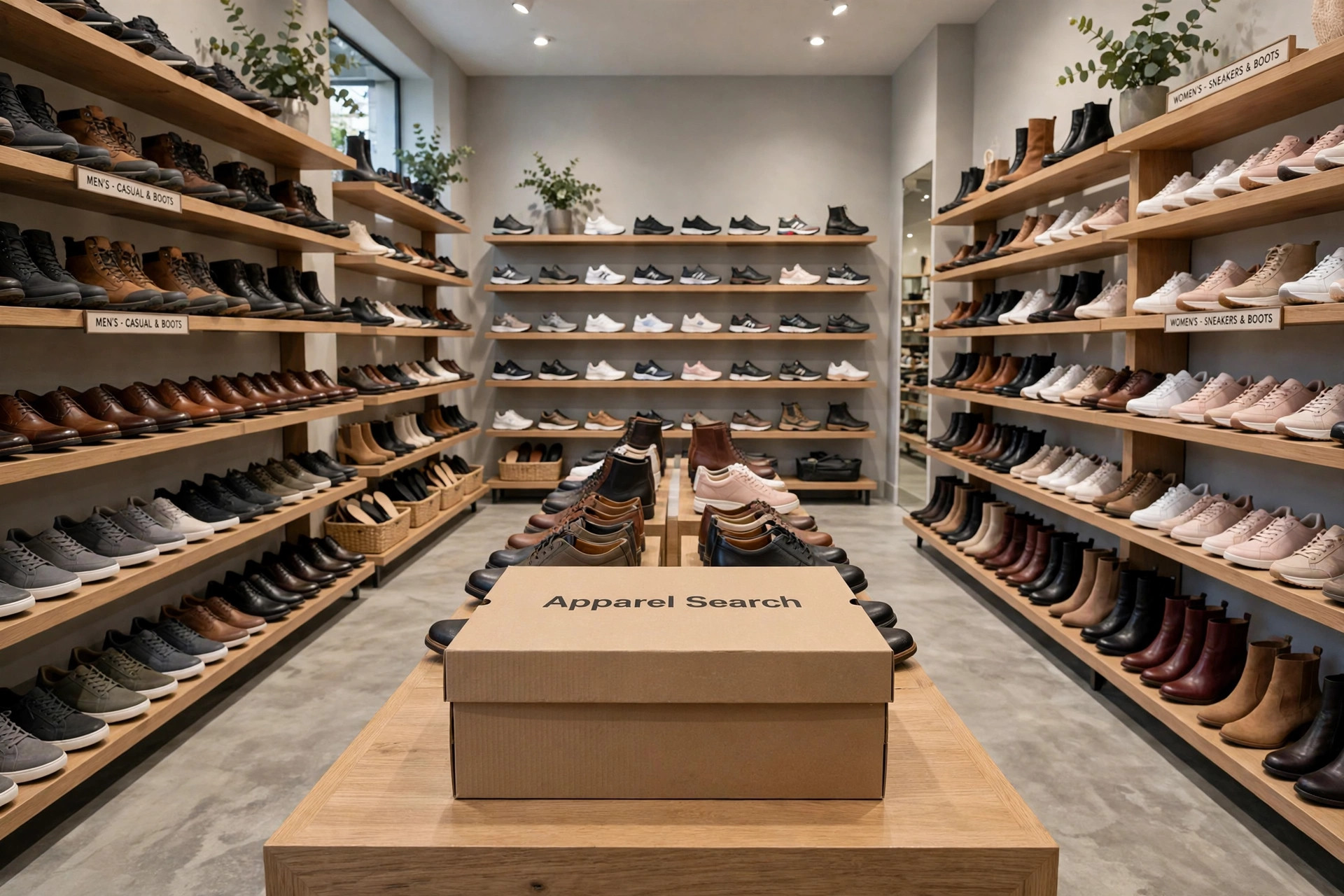
The shoe buyer plans the department by category and wearing occasion: formal, casual, sport, seasonal boots or sandals, and the school and work shoes that anchor family trade. Each category is ranged by price tier and brand, with vendor appointments spent handling samples — flexing soles, checking linings and insoles, assessing leather or synthetic uppers — and walking in fit samples where possible. Orders commit money months ahead, because footwear production, especially leather footwear, runs on long factory schedules.
In season, the buyer manages size runs rather than single sizes. A style is only saleable while its run is intact, so the buyer monitors breakage by size, reorders proven sellers in the sizes that remain commercial, and acts early on slow categories before weather or fashion moves on. Boots bought for winter and sandals bought for summer punish late decisions: markdown timing, storage of bulky stock, and clearance planning are core parts of the job, alongside approving production samples against the ordered specification.
Lasts, Materials and Construction
Every shoe is shaped on a last — the form that decides its toe shape, instep volume and heel pitch — and experienced shoe buyers think in lasts. Two shoes in the same marked size can fit entirely differently, so the buyer tracks which lasts suit the store's customers, insists on consistency when a successful style is repeated, and treats a last change as a new fit risk. Width fittings, half sizes and children's measured sizing add further dimensions that clothing buyers never face.
Materials and construction decide comfort, durability and price. The buyer distinguishes full-grain from corrected leathers, judges suede and nubuck, and weighs textile and synthetic uppers for sport and casual styles. Construction methods — cemented, stitched, moulded — affect flexibility, repairability and cost, while sole compounds and tread decide grip and wear. A shoe buyer who can open a sample, read its construction and predict how it will wear after three months is exercising the desk's central professional skill.
Skills and Abilities the Role Requires
Commercial analysis for footwear is size-level analysis. The shoe buyer forecasts demand across a size curve for every style, protects the high-volume middle sizes, and decides how much risk to carry in the extremes of the run. Negotiation covers factory capacity, leather price movements and exclusivity on colours or materials. Because lead times are long, the buyer also needs the discipline to commit early on evidence from sell-through data rather than waiting for certainty that arrives too late.
Fit judgement and customer knowledge complete the toolkit. Good shoe buyers spend time in stores watching fittings, reading returns reasons — rubbing, slipping heels, narrow toes — and translating them into the next buy. They communicate construction and care clearly to store teams, coordinate with clothing buyers where outfits are merchandised together, and keep a close eye on comfort claims and safety requirements, particularly for children's and occupational footwear.
Qualifications, Training and Career Path
Employers commonly look for several years of buying experience, with footwear experience especially valued — a background as a senior buyer in shoes gives a candidate a clear advantage, as does time as an assistant footwear buyer or in footwear retail management. Study in fashion merchandising, business or footwear technology is useful, and some buyers come through the manufacturing side, where last, material and construction knowledge is learned at the bench and the production line.
The career path runs to senior shoe buyer, footwear buying manager and divisional roles covering the whole shoe department, with later moves into general merchandise management. Specialists also transfer to brand-side roles with footwear companies, into product development where ranges are designed rather than selected, and into children's or comfort footwear specialisms where fitting expertise commands a premium. It is a desk where accumulated product knowledge stays valuable for an entire career.
Common Questions
What is a last in shoe buying?
A last is the shaped form around which a shoe is built. It determines toe shape, volume and heel height, so it governs fit. Shoe buyers track which lasts fit their customers well and treat any change of last on a repeated style as a fresh fit decision.
How is shoe buying different from clothing buying?
Fit tolerance is far tighter, stock is held as size runs that lose value as they break, lead times are longer, and construction and materials knowledge — lasts, leathers, sole units — is central. A clothing buyer manages sizes too, but rarely with the same consequences for a single broken size.
Do shoe buyers need retail experience?
It helps a great deal. Time spent fitting shoes in a store teaches how customers judge comfort and why they return pairs, which is exactly the evidence a shoe buyer uses when selecting the next range.