Swimwear Buyer Job Description
Running the swim desk — a short, intense season planned a year ahead
A swimwear buyer runs the swim desk: the department that sells swimsuits, trunks, cover-ups and beach accessories during one of the shortest, sharpest selling windows in retail. Almost everything about this desk is compressed. The main season may last only a few months, yet the range is planned, costed and ordered close to a year earlier, and a second, smaller trade — winter-sun and cruise collections — runs against the calendar of the main one. The swimwear buyer therefore lives by forward planning, weather awareness and decisive in-season trading. This overview page covers the desk as a whole; separate descriptions detail the children's, men's and women's specialisms within it.
More Buying Job Descriptions by Letter:
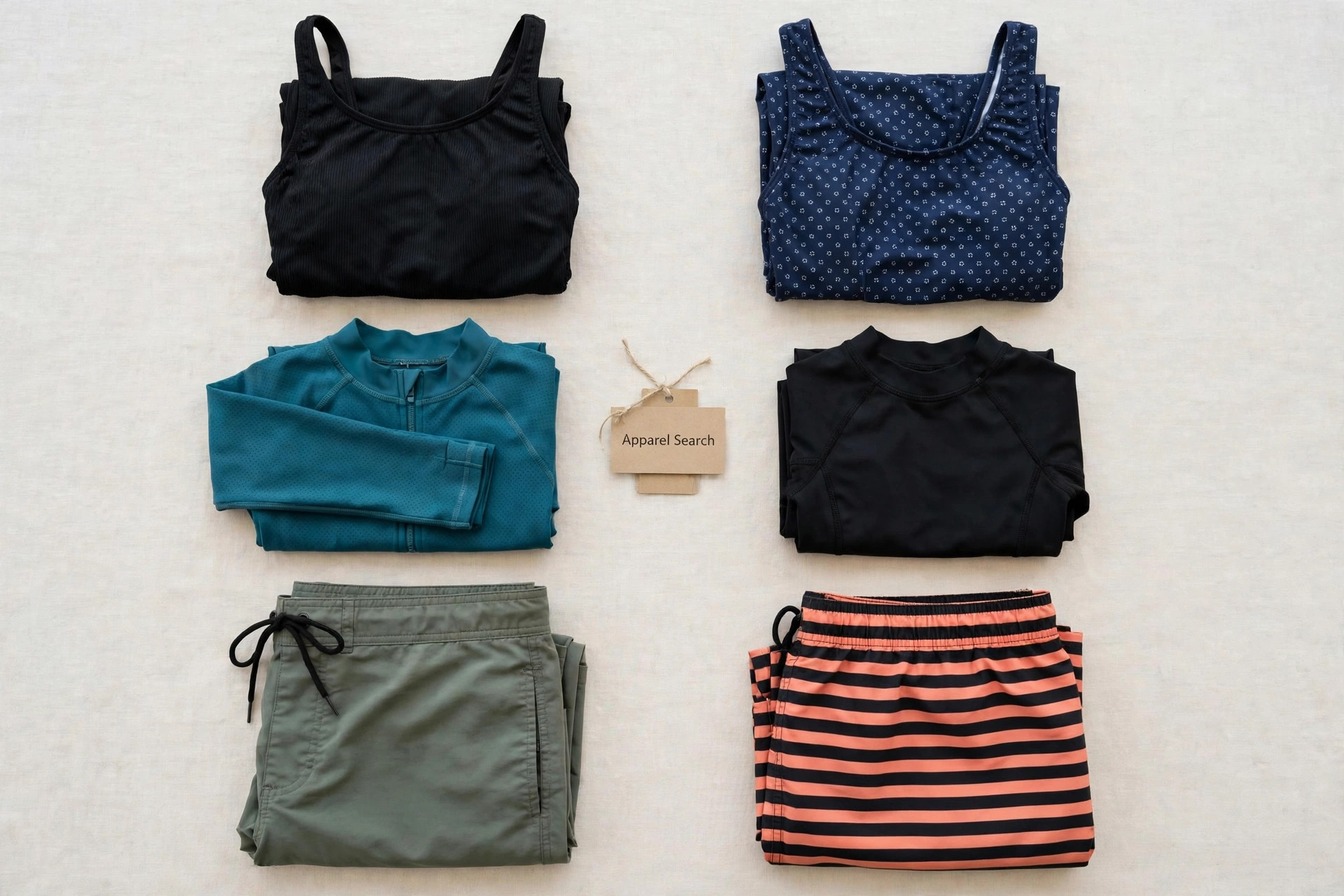
What a Swimwear Buyer Does
Planning starts with the shape of the year. The buyer maps the principal summer season, the winter-sun capsule, school holiday peaks and any local demand patterns, then allocates budget across women's, men's and children's swim and the cover-ups and accessories that attach to them. Vendor meetings involve handling stretch fabrics, checking lining and elastic quality, reviewing colour stories, and confirming that factories can deliver into a window that cannot slip — swim stock arriving after the holiday peak has largely missed its year.
Trading in season is fast and unsentimental. Early sales are read by style, colour and size within days, repeats are chased only where suppliers hold fabric and capacity, and prices are adjusted before the season turns rather than after. As the main window closes, the buyer executes a planned exit: consolidation, markdown and clearance that frees space and cash, while the winter-sun capsule is prepared for customers travelling to warm climates during the cold months at home.
The Swim Desk and Its Seasonality
Seasonality governs every decision on this desk. Development calendars run backwards from a fixed selling window, so fabric commitments, fit approvals and shipping choices are all dated against it. Resort and cruise lines extend the desk's year — a compact range of proven shapes in fresh colours, sold when the main department is dormant — and the buyer plans those capsules with the same rigour as the summer range, because their customers are travelling on fixed dates and cannot wait for late stock.
Weather is the desk's uncontrollable variable. A cold, wet early summer suppresses demand no matter how good the range is, while a heatwave can strip core sizes in a fortnight. Experienced swimwear buyers build flexibility into the plan for exactly this reason: phased deliveries, fabric held by suppliers for rapid repeats, and a price architecture that can promote early without destroying the season's margin. Judging how much flexibility to buy, and paying for it wisely, is the desk's defining commercial skill.
Fabric Performance and Fit Across the Desk
Swim garments are engineered textiles. Elastane content gives stretch and recovery; chlorine-resistant fibres extend garment life in pools; quick-drying and sun-protective finishes serve beach and sport use. The buyer specifies these performance levels by end use — a fashion beach range, a training range and a children's range each need different answers — and verifies them through supplier testing, because a suit that bags, fades or loses elasticity generates returns and complaints out of proportion to its price.
Fit work spans every customer the desk serves. Women's fits involve support and cup sizing, men's involve trunk lengths and waist fits, and children's involve age-and-height sizing with strict safety rules. The swimwear buyer sets the fit standards for the whole department, approves samples across the size ranges, and makes sure each specialism's buyer applies them consistently, so a family shopping the department in one visit finds a coherent, trustworthy offer.
Skills, Qualifications and Career Path
The swimwear buyer needs forward-planning discipline, speed in season, and calm judgement under weather-driven uncertainty, together with the usual buying toolkit of range construction, open-to-buy control, margin management and supplier negotiation. Employers look for buyers who have traded a seasonal category before — swim itself, or outerwear, occasionwear or another compressed-window department — because the planning habits transfer directly.
Most swimwear buyers arrive from assistant and junior buyer posts within swim, womenswear or holiday-shop departments, and progress to senior buyer or buying manager responsibility for the full seasonal portfolio. The desk is also a recognised training ground for broader buying management: anyone who can plan a year ahead, trade a twelve-week season and exit it cleanly has demonstrated the core disciplines of the profession in their purest form.
Common Questions
Why is swimwear buying considered so seasonal?
Demand concentrates into a short summer window, with a smaller winter-sun and cruise trade, while ranges must be ordered many months ahead. The buyer plans a year out, trades intensely for a few weeks, and exits the season on a fixed timetable.
What does a swimwear buyer do out of season?
Out of season is when the desk does its real work: reviewing the last season's evidence, developing the next range with suppliers, approving fits and fabrics, and planning the winter-sun capsule for holiday travellers.
Which other pages describe swimwear buying specialisms?
Separate Apparel Search descriptions cover the children's, men's and women's swimwear buyer roles in detail, each with its own sizing, safety and product considerations.