Color Trend Resources
Forecasters, researchers and reference sources that track where color is heading.
Color is relevant to nearly everything fashion touches: clothing color, shoe color, hair color, eye color, skin color and accessory colors all play a role in a sense of style. Designers rarely track all of that alone. They lean on forecasting organizations, color researchers and reference resources to build trend boards, plan seasonal palettes and design with confidence — and this page collects the most useful of those resources in one place.
The resources divide into three kinds: forecasters who publish where color is going, researchers who document what people prefer, and professional bodies who set the technical ground rules. The companion guides to the trend subjects themselves — fashion, cosmetics and hair color — are linked in the resources above.
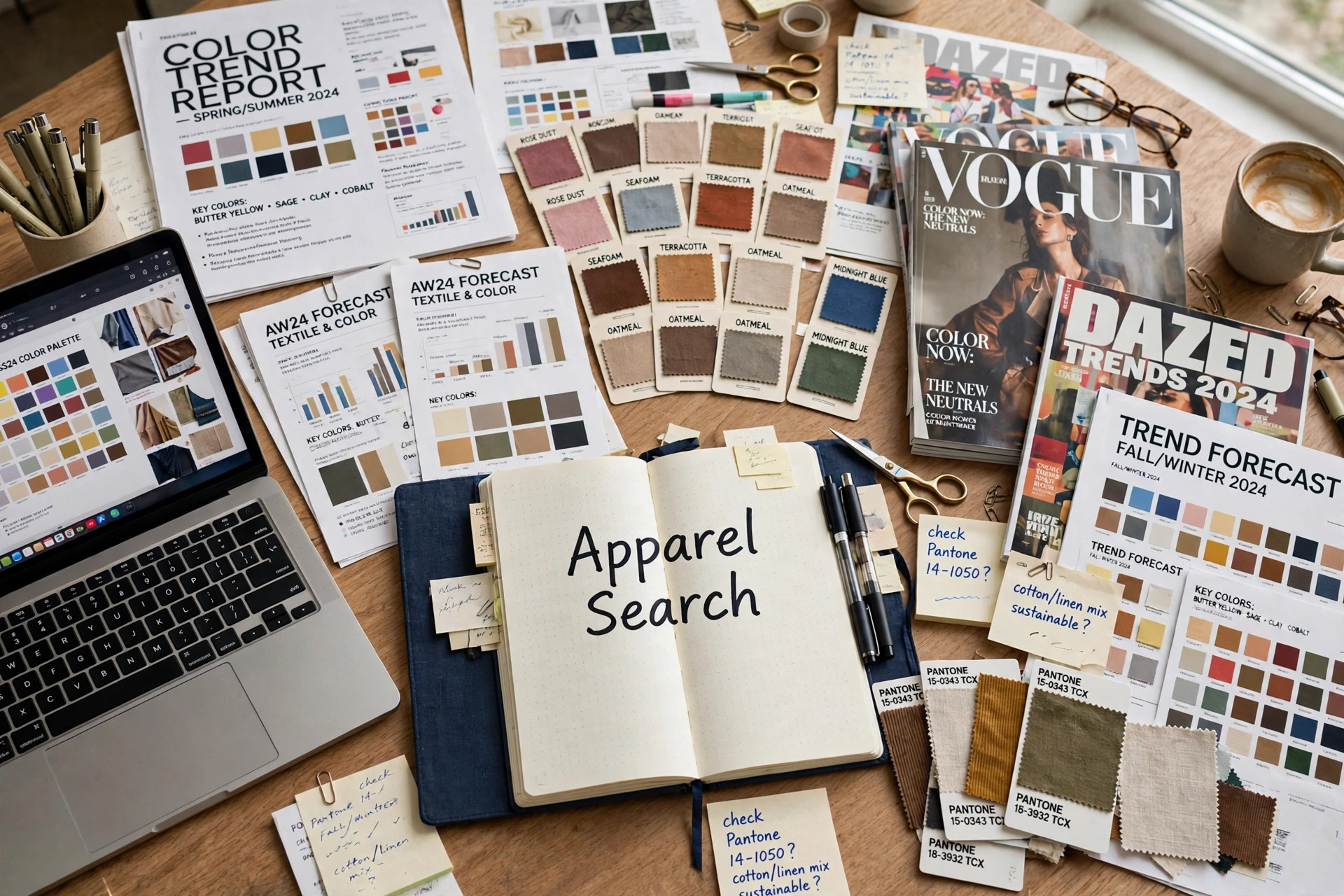
The Forecasters
The Color Association of the United States, founded in 1915, creates and delivers global color intelligence across industries. A membership-based organization headquartered in New York City, it serves as a premier forecast agent, specialized educator and trusted advisor to color professionals whose responsibility is to ensure marketplace success for their color decisions across brands, products and services, and spatial environments. Its mission is to capture and deliver color value to businesses and educators and empower color-conscious decisions. In the early half of the 20th century its primary purpose was to support textile manufacturers in creating market-ready products for the ready-to-wear industry, and its committees included hat, glove and hosiery manufacturers — the trendsetters of the day. Today it relies on carefully selected thought leaders in fashion, accessories, product and interior design for its current lineup of women's, men's, youth and interiors/environmental forecasts, a combination of cutting-edge trend insight and realistic market knowledge that keeps its forecasts relevant for designers, marketers and product developers.
The Color Marketing Group is an international, not-for-profit association of color design professionals who collaborate to identify and forecast color directions. Its members develop regional and global color trend reports, including the annual World Color Forecast, which fashion, textile and product designers use when building seasonal color palettes. Where the Color Association publishes as an institution, the Color Marketing Group forecasts as a profession — its directions come from working color designers comparing notes across industries and regions.
Research and Color Thinking
ColorCom Research has been gathering data from all over the world since 1997. Its database of approximately half a million entries is a compilation of demographic information based on nationality, gender and age with respect to color associations and color preferences — the first database of its kind. For a brand selling internationally, that kind of evidence tempers instinct: a shade that signals celebration in one market can signal mourning in another, and the research shows it before the product ships.
Color Matters, led by color professor Jill Morton, explores how color impacts marketing and daily life. Before the arrival of the World Wide Web she served as faculty at the University of Hawaii School of Architecture, Chaminade University and Matsuda Technology Center; today she presents seminars about color and marketing, color theory and everything color impacts. Her color and marketing material is the practical bridge between color psychology and the selling floor.
Color Guides offers a working designer's method for spotting trends without any subscription at all: pay better attention to your surroundings. Anything new is probably incorporating the latest color trends — a new building downtown, a neighbor's kitchen, new car models, anything advertised in a magazine, and especially clothing. Noticing the same shades, or a similar color direction — warmer or cooler, lighter or darker, clearer or greyer — is how a color trend announces itself.
The Technical Backbone
Forecasting decides which colors to make; standards and testing decide whether they were made correctly. The American Association of Textile Chemists and Colorists (AATCC) is the world's leading not-for-profit association serving textile professionals, providing test method development, quality control materials and professional networking for thousands of members in 60 countries throughout the world. Its test methods are how a forecast shade becomes a pass or fail decision in a dye house.
Color trends also run through the human canvas itself. Readers researching the full picture can study human hair color, eye color and human skin color — the natural palettes that clothing, cosmetic and hair colors are chosen against. How forecasting itself works, as a discipline, is covered in color trends forecasting and the general guide to fashion forecasting.
Common Questions
How do forecasters spot a color trend?
By watching what is new. New buildings, kitchens, car models, magazine advertising and especially clothing tend to incorporate the latest color directions; when the same shades, or the same shift toward warmer, cooler, lighter, darker, clearer or greyer colors, keep appearing, a trend is underway.
What does color preference research add to forecasting?
Forecasting says where taste is moving; demographic research says who prefers what now. A database of color associations and preferences broken down by nationality, gender and age helps a brand choose shades its actual customers are predisposed to like.
Are color forecasts only about clothing?
No. The organizations here forecast across fashion, accessories, products, interiors and environments, because color moves between industries — a shade that starts in interiors or automobiles regularly ends up in a clothing collection a season or two later.