Fashion Color Trends
Where seasonal color comes from — and how to research it honestly.
Good luck keeping up with the latest fashion color trends — the world of fashion moves very fast. You will find tons of websites claiming to know the top color trends for this year; it is one of the most popular topics on fashion magazine and style blog sites. Rather than claim to know the biggest trends of the year, this guide takes the more useful route: it points you to the forecasters, communities and standards bodies whose color work the industry actually uses, and explains the seasonal color picture they describe. Practical starting points for your own research include the fashion tips and fashion trend forecasting tips for consumers.
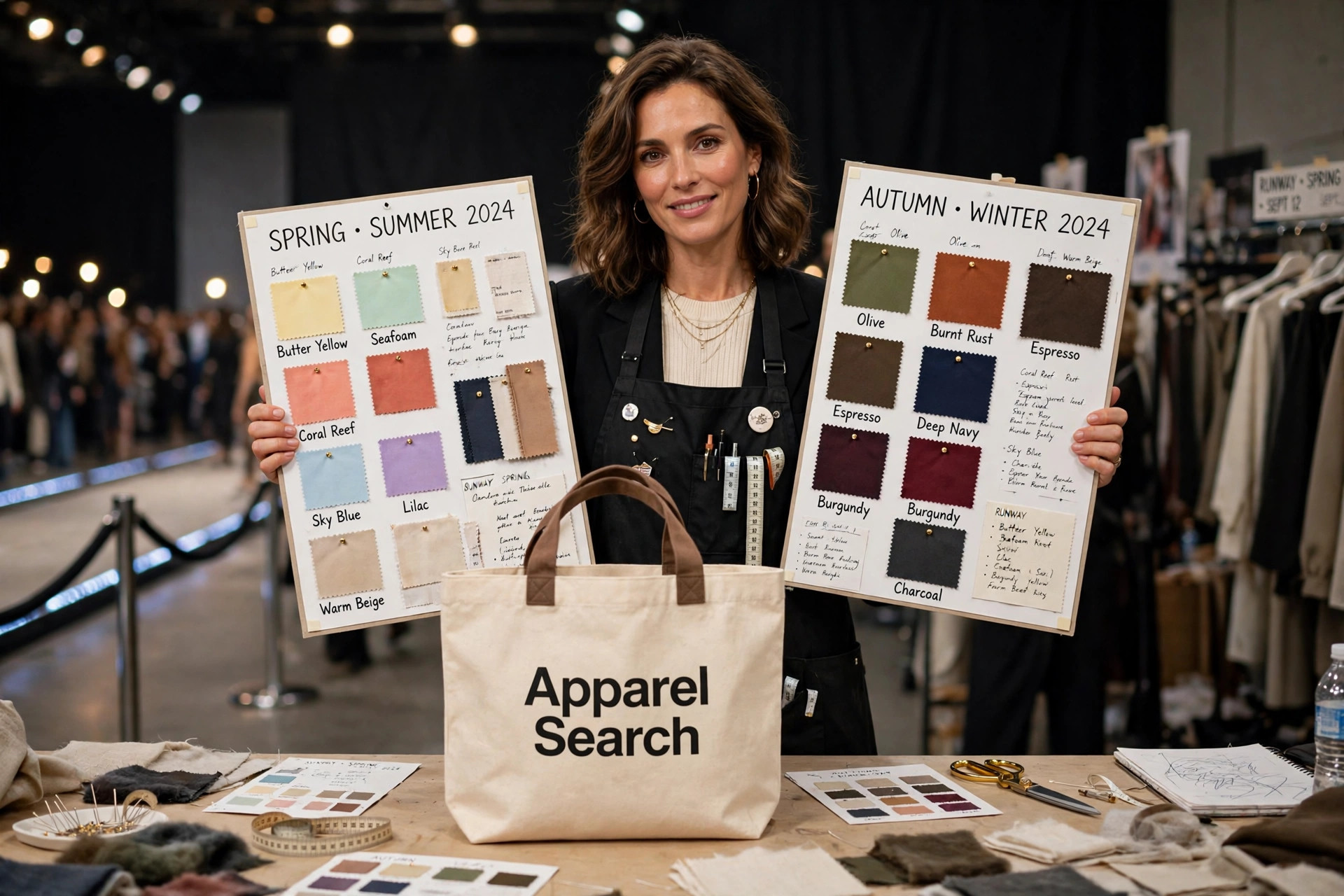
The fashion world is always evolving, and the colors of the season keep changing with it. The recurring seasonal picture is a spectrum rather than a single shade: classic neutrals, vibrant brights, soft pastels and greens all hold a place, and there is a color trend for everyone. The sections below introduce the sources first, then the seasonal families, then the forecasting discipline itself.
The Forecasting Sources
Fashion Trendsetter is a design and trend office founded in 2003 by Senay Gokcen. FashionTrendsetter.com is an online fashion and color forecasting, trend reporting and news e-zine serving up-to-date fashion information from the major trade fairs, trend reports and fashion forecasts, dedicated since November 18, 2004 to being a leading resource for fashion and color trends topics. It holds a competitive advantage with its free-of-charge services among other trend offices, aims to inspire readers with color and trend directions prepared exclusively for each season, and serves as an arena for new designers to showcase contemporary fashion and jewelry designs.
COLOURlovers is an international creative community that helps people discover their inner designer, providing a wealth of user-created and shared color inspiration plus tools that make the creative process as simple as possible. Whether you are looking for a color palette to kickstart a project or want to produce a piece of vector art, its tools take anyone from design inspiration to execution; its trends blog tracks what the community is making, and its fashion channel applies the same palette thinking to clothing.
Pantone anchors the professional end. Asked which hues for shoes would be must-haves for consumers next fall, Leatrice Eiseman, executive director of the Pantone Color Institute, advised buyers to look to the past, present and future for coming color trends, describing the big picture theme as a mosaic of color and style — reflecting cultural, universal time frames and seemingly disconnected elements, with new technologies reinventing the future while some things carry a vaguely nostalgic feeling. Its Fashion + Home colors system is the working palette behind that view, and creating the right color palette being more crucial to a product's success than ever, Pantone introduces new colors to inspire users and, through its partnership with Clariant, provides suggested dye formulations to match its colors on any desired fabric with access to local technical support; its parent company X-Rite helps ensure color accuracy throughout the supply chain.
The Seasonal Color Families
Neutral colors are a perennial comeback story and a great way to add a classic, timeless touch to any outfit. Black, white and beige are always in style, and seasons regularly embrace the softer neutrals — brown, taupe and grey — which are perfect for creating a sophisticated look that will not go out of style. Bright and bold colors hold the opposite role: vibrant oranges and yellows, deep blues and purples, worn as a bright top or an electric blue pair of pants, are guaranteed to make an outfit stand out and make a statement.
Pastels supply the romantic register — pale pinks and baby blues, muted lavenders and mint greens — perfect for a feminine, romantic look, and a pastel top paired with a classic neutral skirt is timeless and chic. And green recurs as the color of the season in many cycles, from olive greens to emerald shades, adding a touch of nature to any outfit, whether as a bright green dress or a subtle pair of shoes. No matter what your style is, there is a color trend for everyone each season: classic neutrals, bold brights, pastels and greens.
Individual shades also get trend moments of their own. Cherry red is a recent example: Pinterest placed Cherry Red in its 2025 Pinterest Palette, inspired by its Cherry Coded trend — our cherry red trend guide explains the shade, how it differs from classic red and burgundy, and how to wear it in clothing, shoes, bags and beauty.
Forecasting as a Discipline
Fashion color trend forecasting goes beyond simply predicting suitable fashion design. It encompasses the social, cultural and behavioral desires of a brand's consumers. A fashion trend forecaster must have an inquisitive mind and a creative ability to evaluate and predict consumer behavior and preferences — and, most importantly, must be commercially savvy, so a brand can be sure about what will appeal to its customer. Being able to predict what customers will want helps apparel companies decide which products to develop and how much to invest, which is why trend forecasting goes hand in hand with brand strategy: there are dozens of trends at any one time, but not every trend is right for every brand.
The working vocabulary and tools of the discipline are covered across Apparel Search: fashion trends, trend reports, trend boards, trend news and the definition of fashion forecasting and trends. Start from those, compare what several forecasters agree on, and treat agreement — not any single prediction — as the signal worth acting on.
Photos

Common Questions
Can anyone really know this year's biggest color trends?
Not with certainty, and honest guides admit it. The fashion world moves very fast and hundreds of sites claim to know the top color trends. The reliable approach is to browse widely, compare forecasters, and do your own research rather than trusting any single claim — including treating this page as a directory of sources, not a prophecy.
What does a fashion trend forecaster actually do?
Far more than predict suitable designs. Forecasting encompasses the social, cultural and behavioral desires of a brand's consumers, so a forecaster needs an inquisitive mind, a creative ability to evaluate and predict consumer behavior and preferences, and commercial savvy about what will actually appeal to the customer.
Why do forecasters introduce new colors through dye formulations?
Because a trend color only helps if factories can make it. Pantone, through its partnership with Clariant, provides suggested dye formulations to match its colors on any desired fabric, with local technical support — turning a forecast shade into a production recipe.