Ermenegildo Zegna Collections
The collections filed season by season — signatures constant, handling always in motion.
A collection is where a designer argues, in clothes, what the season should look like — and the collections of Ermenegildo Zegna make that argument from one of fashion's most settled positions: the founder of the Trivero wool mill who built Ermenegildo Zegna from fine suiting cloth into a house whose name stands for Italian tailoring. Filed season after season, the collections show both halves of the achievement — the signatures that never leave, and the judgment that keeps them current. This page holds the shared view of that filed record in this guide.
Ermenegildo Zegna founded the company in 1910 in Trivero in the Biellese Prealps, and quickly gained a reputation for producing fine quality wool for suits; by the end of the 1930s the wool mill employed 1,000 workers, and in 1938 the Zegna Woollens Corporation was set up in New York. When his sons Aldo (born 1920) and Angelo (born 1924) joined the company in 1942, it was renamed Ermenegildo Zegna and Sons, and by 1955 the company employed 1,400 workers. The Photos section gathers collection imagery, and the search routes in the references run Ermenegildo Zegna collection news, photo and video searches. The fall and spring pages in this series file the two seasonal strands separately; the runway page follows the presentations where the collections first appear.
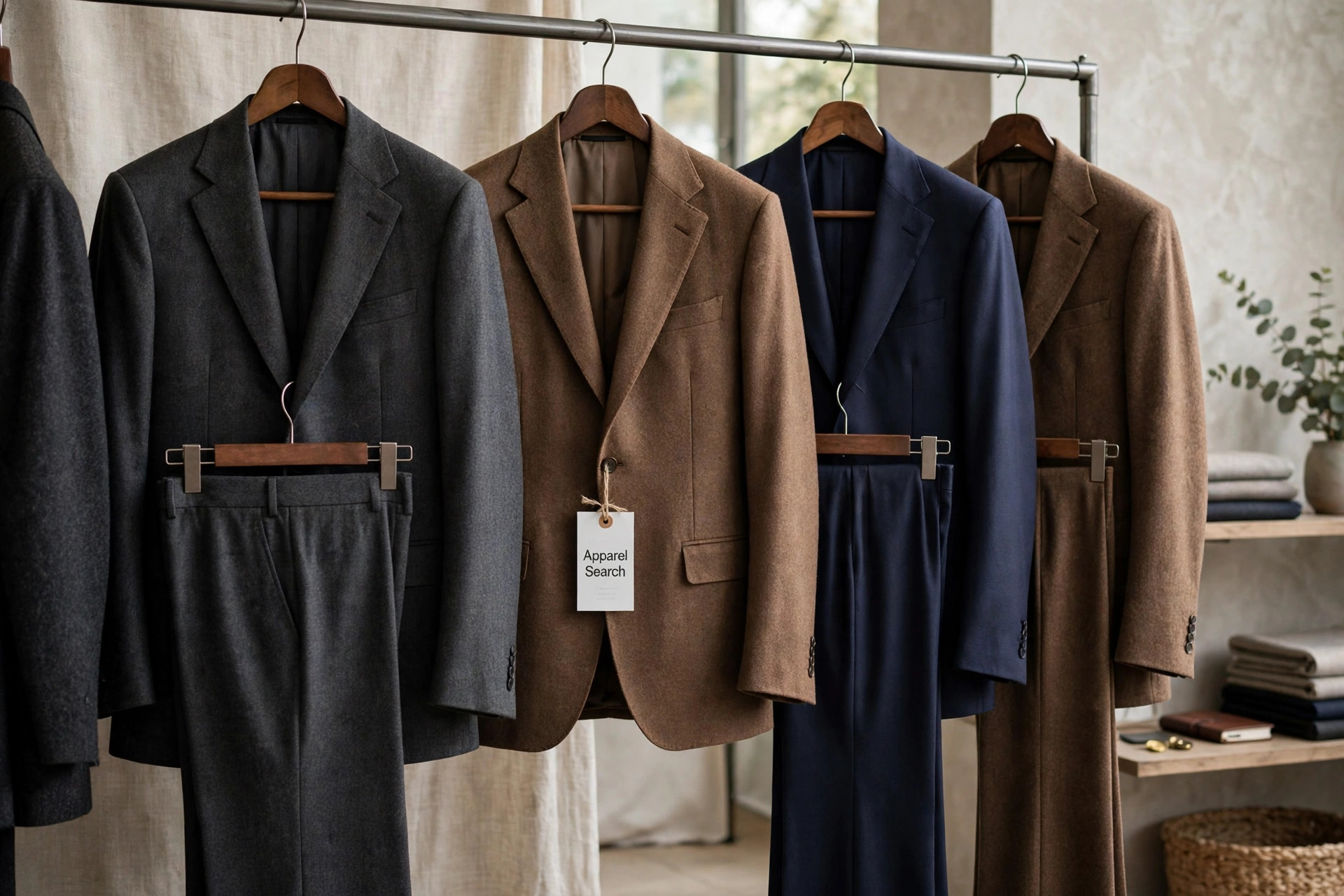
Illustrative image created for this guide — an artistic impression, not this designer's own garments.
News, Photos & VideoCollectionsFall FashionsFashion WeekNewsProfilesRunwaySpring Fashions
Reading a Collection as a Whole
A single famous garment — the ready-made suit — can stand for a designer in the public mind, but a collection is a wardrobe, not a trophy. Read whole, a Ermenegildo Zegna collection proposes how its wearer should dress across a season: the day pieces and the evening pieces, the tailoring and the soft clothes, all cut from one idea of who that wearer is. That is why the filed record matters more than any single image: it shows the system, the way fine quality wool suiting, impeccably cut ready-made suits and quiet Italian luxury tailoring is distributed across an entire season's worth of dressing rather than concentrated in one photographed look.
The construction is the quiet half of the argument. In these collections the finish is not decoration added at the end; it is the method — cloth first — a mill owner's discipline, in which the fabric is perfected before the garment is cut. Season photography rewards attention to exactly that level: the closure, the hem, the way a print is placed on a seam. Readers comparing seasons will find the signatures constant and the handling always in motion, which is the mark of a house dressing real people rather than staging one-off spectacles.
Seasons Filed in Order
Filed in sequence, the collections become a history that can actually be used — by students tracing how a signature evolves, by buyers and wearers placing a piece in its season, and by anyone checking whether a photographed look belongs to the year a caption claims. The two seasonal strands divide naturally: the fall collections, filed on the fall fashions page, carry the weight and layering of autumn; the spring collections, on the spring fashions page, carry the same signatures at their lightest. This page is where the two strands are held together.
The runway page is the companion for the moment of presentation — the order of looks and the show as an event — and the fashion week page places each showing in the calendar of Milan Fashion Week. The news page gathers the reviews and coverage each collection receives. Together the series lets a reader move from the filed garment to the live show to the published verdict without losing the thread: one designer, one signature, season after season.
Photos

Common Questions
What do the Ermenegildo Zegna collections pages cover?
The collections record season by season: the garments, prints and tailoring that define the designer's work — fine quality wool suiting, impeccably cut ready-made suits and quiet Italian luxury tailoring — and how each season restates them.
How are the collections organized in this guide?
By season and strand: this page holds the shared view, the fall fashions page files the autumn collections, the spring fashions page files the spring collections, and the runway page follows the shows themselves.
What should I look for in a Ermenegildo Zegna collection?
The permanent signatures first — then what the season changes around them: proportion, fabric weight, print scale and finish. The signatures are fine quality wool suiting, impeccably cut ready-made suits and quiet Italian luxury tailoring.
More to Explore
References & Further Reading
- Ermenegildo Zegna Collection Search
- Ermenegildo Zegna Collection News
- Ermenegildo Zegna Collection Photos
- Ermenegildo Zegna Collection Videos
- Ermenegildo Zegna Collections
- Ermenegildo Zegna Collection News
- Ermenegildo Zegna Collection Images
- Ermenegildo Zegna Collection Video
- official Zegna website
- Fashion Models