Marc Le Bihan Collections
The collections filed season by season — signatures constant, handling always in motion.
A collection is where a designer argues, in clothes, what the season should look like — and the collections of Marc Le Bihan make that argument from one of fashion's most settled positions: the fashion designer behind the label that carries his name, whose collections, seasonal fashions, fashion week presentations and runway record are filed in this guide. Filed season after season, the collections show both halves of the achievement — the signatures that never leave, and the judgment that keeps them current. This page holds the shared view of that filed record in this guide.
Marc Le Bihan designs under his own name, and his official website — marc-lebihan.com — is linked in the references on these pages. His record in this guide is filed across seven pages: the main page, collections, fall fashions, fashion week, profiles, runway and spring fashions. The Photos section gathers collection imagery, and the search routes in the references run Marc Le Bihan collection news, photo and video searches. The fall and spring pages in this series file the two seasonal strands separately; the runway page follows the presentations where the collections first appear.
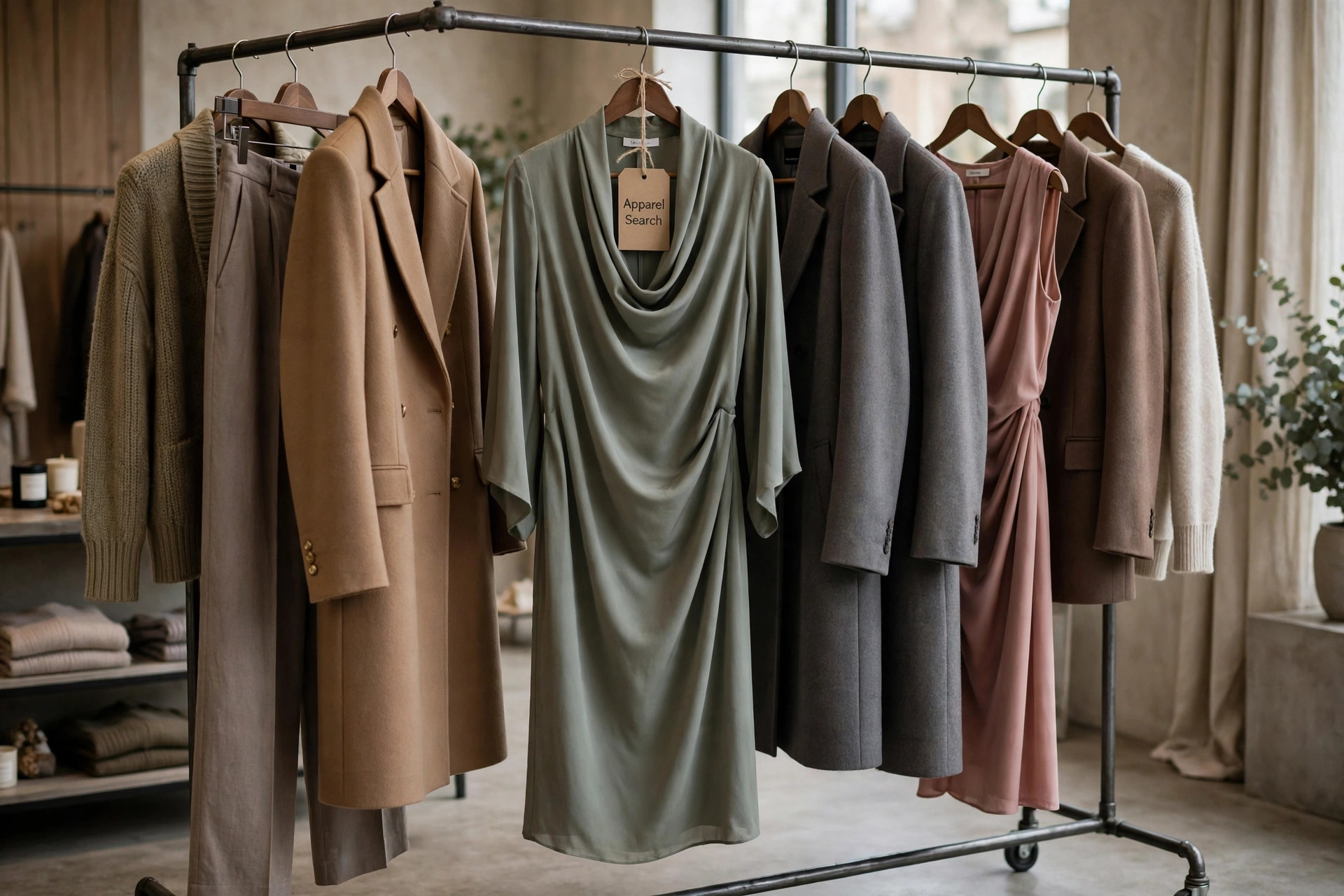
Illustrative image created for this guide — an artistic impression, not this designer's own garments.
News, Photos & VideoCollectionsFall FashionsFashion WeekProfilesRunwaySpring Fashions
Reading a Collection as a Whole
A single famous garment — the seasonal collection — can stand for a designer in the public mind, but a collection is a wardrobe, not a trophy. Read whole, a Marc Le Bihan collection proposes how its wearer should dress across a season: the day pieces and the evening pieces, the tailoring and the soft clothes, all cut from one idea of who that wearer is. That is why the filed record matters more than any single image: it shows the system, the way the collections of his namesake label — womenswear filed season by season, from the fall and spring strands to the fashion week and runway record is distributed across an entire season's worth of dressing rather than concentrated in one photographed look.
The construction is the quiet half of the argument. In these collections the finish is not decoration added at the end; it is the method — collections built as complete seasonal wardrobes and filed season by season, so the label's development can be followed in order. Season photography rewards attention to exactly that level: the closure, the hem, the way a print is placed on a seam. Readers comparing seasons will find the signatures constant and the handling always in motion, which is the mark of a house dressing real people rather than staging one-off spectacles.
Seasons Filed in Order
Filed in sequence, the collections become a history that can actually be used — by students tracing how a signature evolves, by buyers and wearers placing a piece in its season, and by anyone checking whether a photographed look belongs to the year a caption claims. The two seasonal strands divide naturally: the fall collections, filed on the fall fashions page, carry the weight and layering of autumn; the spring collections, on the spring fashions page, carry the same signatures at their lightest. This page is where the two strands are held together.
The runway page is the companion for the moment of presentation — the order of looks and the show as an event — and the fashion week page places each showing in the calendar of Paris Fashion Week. The news page gathers the reviews and coverage each collection receives. Together the series lets a reader move from the filed garment to the live show to the published verdict without losing the thread: one designer, one signature, season after season.
Common Questions
What do the Marc Le Bihan collections pages cover?
The collections record season by season: the garments, prints and tailoring that define the designer's work — the collections of his namesake label — womenswear filed season by season, from the fall and spring strands to the fashion week and runway record — and how each season restates them.
How are the collections organized in this guide?
By season and strand: this page holds the shared view, the fall fashions page files the autumn collections, the spring fashions page files the spring collections, and the runway page follows the shows themselves.
What should I look for in a Marc Le Bihan collection?
The permanent signatures first — then what the season changes around them: proportion, fabric weight, print scale and finish. The signatures are the collections of his namesake label — womenswear filed season by season, from the fall and spring strands to the fashion week and runway record.
More to Explore
- Fashion Designer Collections
- Fashion Designers by Designer Names
- Fashion Week
- Fashion Articles
- Fashion News
- Fashion Public Relations
- Fashion Week Videos
- Fashion Blogs
- Designer Search
- Popular Brands
- Top Fashion Designers
- Marc Le bihan profile
- Fashion Designers List
- Designers A-H
- Designers I-P
- Designers Q-Z
- fashion celebrities
- more about fashion designers
- Fashion Industry
- Fashion Job Search
References & Further Reading
- Fashion Week Photos
- Marc Le Bihan Fashion Collection Search
- Marc Le Bihan Fashion Collection News
- Marc Le Bihan Fashion Collection Photos
- Marc Le Bihan Fashion Collection Videos
- Marc Le Bihan Fashion Collections
- Marc Le Bihan Fashion Collection News
- Marc Le Bihan Fashion Collection Images
- Marc Le Bihan Fashion Collection Video
- Marc Le bihan official website
- Fashion Models