Fashion Model Widgets
Widgets for Adding Fashion Model Images to Your Website or Fashion Blog
Fashion is a visual trade, and the model widget was the visual member of this widget family. It let website owners put fashion models onto their own websites: a panel of fashion model links and images drawn from the ClothingModel website — ClothingModel.net, a sister site in the Apparel Search family — that a fashion blog, a photographer’s page or a modelling resource site could embed with a short block of code. Where the news and jobs widgets traded in headlines and listings, this one traded in faces and portfolios, which made it the most immediately attractive widget of the set and, in the end, the most fragile.
That fragility is instructive. A text headline ages gracefully; an image panel depends on photographs staying hosted, licensed and appropriately sized for layouts that keep changing. This page explains what the model widget did, why image widgets of its generation aged badly, and how model imagery is shared today instead.
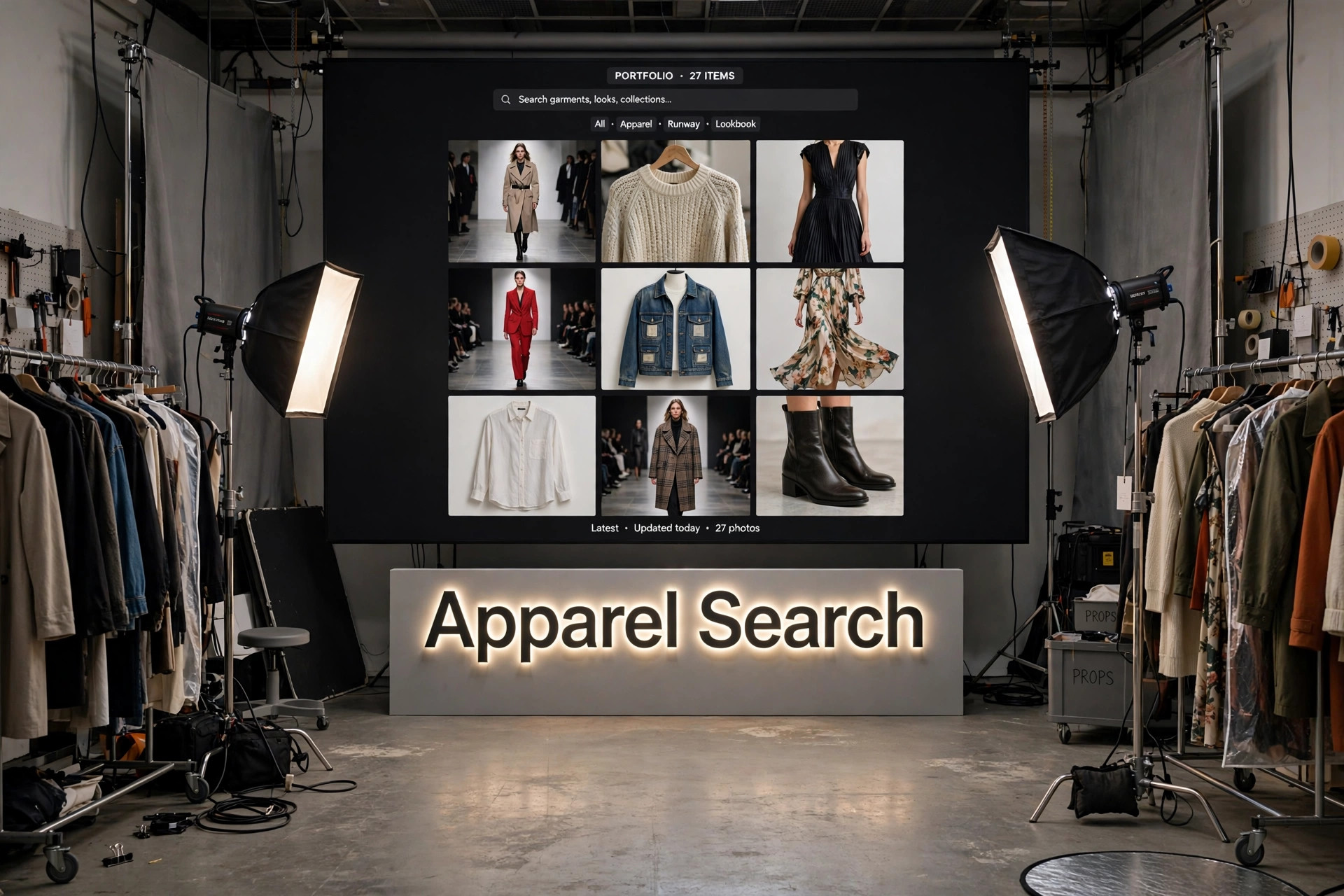
These widgets no longer work. The fashion widgets in this section were built on SpringWidgets, and that platform has closed — the embed code was removed and there is no need to add these widgets to a website. This page is kept for historical reference, and it explains the working alternatives below.
How the Model Widget Worked
The pattern matched the rest of the family: the host pasted in the code, adjusted the height and width numbers inside it to fit the space — or stretched the box by highlighting it and dragging with the mouse — and the widget filled itself with model images and links from the Clothing Model directory. For a small site, the effect was instant editorial richness: a rotating glimpse of working models’ portfolios beside its own content, always pointing back to the full profiles at the source. For models and their representatives, each placement was a shop window in an unexpected street — a casting director browsing a trade blog could meet a portfolio without ever visiting the directory itself.
Discovery was the deeper promise. Modelling has always run on being seen by the right person at the right moment, and a directory — however complete — only works for the people who visit it. A syndicated panel inverted that: the portfolio went visiting instead, appearing in the reading paths of photographers planning shoots, stylists assembling teams and bloggers looking for a face to illustrate a story. Even a brief appearance could start a career conversation, which is why models and agencies valued placement in the widget almost as much as the listing it pointed to.
Why Image Widgets Aged Badly
Images carry costs that text does not. They are heavy, so a page full of borrowed photographs loaded slowly on the connections of the day. They are licensed, so a syndicated panel could outlive the permission or the portfolio it was drawn from, showing yesterday’s images as if they were today’s. And they are sized, so a fixed box of photographs fought every redesign of every host page. On top of all that sat the platform risk shared by the whole family: the widgets were built on SpringWidgets, launched in 2006 and shut down by MySpace parent company Fox Interactive Media, along with Flektor, as it consolidated products. The coding was removed to save site owners time and frustration, it no longer functions properly, and no support is offered for it.
Model Imagery and Profiles Today
The modern settlement is simpler and more respectful of the photographs: portfolios live on their own pages, at full size, under their owners’ control, and other sites link to them. A link can be updated, a profile can be corrected, and an image is never stranded in a dead box on a stranger’s sidebar. The directories behind the widget are still the places to start:
- Clothing Model Profiles — the profile directory at ClothingModel.net
- Clothing Model Directory
- Fashion Job Search
For photographers, agencies and bloggers, the working method now is curation: choose the portfolios that genuinely suit your readers, link to them properly, and let the images live where they are maintained. That is less automatic than a widget — and considerably more durable. See the rest of fashion on Apparel Search for the directories around modelling, from agencies to fashion shows.
Common Questions
What was the fashion model widget?
A web widget for adding fashion model images to a website or fashion blog: a self-updating panel of model links and images from the ClothingModel website (ClothingModel.net), embedded with a short block of code whose height and width could be adjusted in the code or by dragging the box.
Why do fashion model widgets no longer work?
Two reasons: image widgets aged badly — heavy files, licensing that could go stale, fixed sizes fighting redesigns — and their platform disappeared. They were built on SpringWidgets, launched in 2006 and shut down by MySpace parent company Fox Interactive Media along with Flektor, and the code was removed.
How are model portfolios shared today?
By linking. Portfolios live on their own profile pages at full size under their owners' control, and blogs, agencies and photographers link to the profiles that suit their readers — a method that can be updated and corrected, unlike a copied image box.