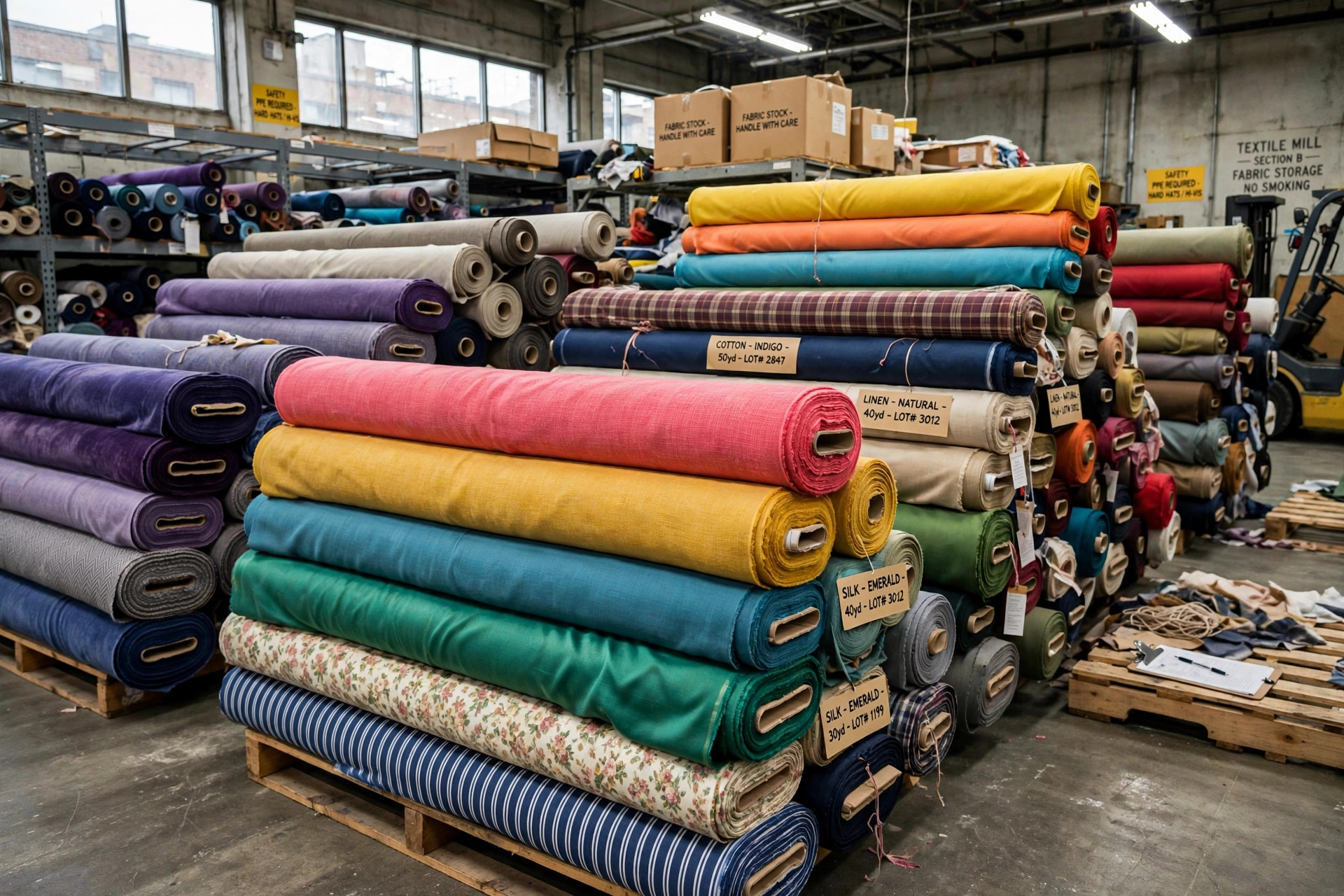
Global fabric sourcing means buying textiles from mills around the world instead of relying on a single market. Done well, it unlocks better prices, wider variety, and materials you simply cannot find domestically. Done poorly, it means missed deliveries, off-spec goods, and margin-killing surprises. This guide covers how professionals do it.
Where the World's Fabrics Come From
Different regions dominate different categories: China offers the broadest range at competitive prices; India excels in cotton and handloom textiles; Turkey is strong in denim and quick-turn jersey; Italy and Japan lead in premium shirting, woolens, and technical fabrics; Portugal serves European brands needing speed. Match the region to your product, not just your price target.
How to Source Internationally
Three main routes: work direct with mills (best prices, highest MOQs, most effort), use a sourcing agent (local expertise and QC for a commission, typically 3–8%), or buy through fabric distributors and jobbers (higher prices, low minimums, immediate stock). Trade shows remain the fastest way to meet mills face to face and handle the actual cloth before committing.
Managing the Risks
International sourcing adds lead time (add 4–8 weeks for ocean freight), currency exposure, and quality risk. Protect yourself: always approve a lab dip and strike-off before bulk, specify testing standards (shrinkage, colorfastness, pilling) in writing, and inspect before shipment — either yourself or through a third-party QC firm. Never pay 100% upfront; 30% deposit with balance against shipping documents is standard.
FAQs
- What are typical MOQs from international fabric mills?
- Direct mill orders commonly start at 1,000–3,000 meters per color for commodity fabrics; premium or custom developments can require 5,000+. Agents and stockists can break bulk into much smaller quantities.
- How long does international fabric sourcing take?
- From first inquiry to goods in hand, budget 8–16 weeks: sampling and approvals (3–6 weeks), bulk production (3–5 weeks), and freight (2–6 weeks depending on mode).
- Should I use a sourcing agent?
- If you lack in-country presence, an agent pays for itself through mill access, negotiation, and on-the-ground QC. Vet agents on references and make sure their commission structure is transparent.
- What is a lab dip?
- A lab dip is a small dyed swatch the mill produces to match your color standard. Approve it before bulk dyeing — color disputes are the most common sourcing conflict.
Apparel Search: explore more production & sourcing resources for the fashion industry.