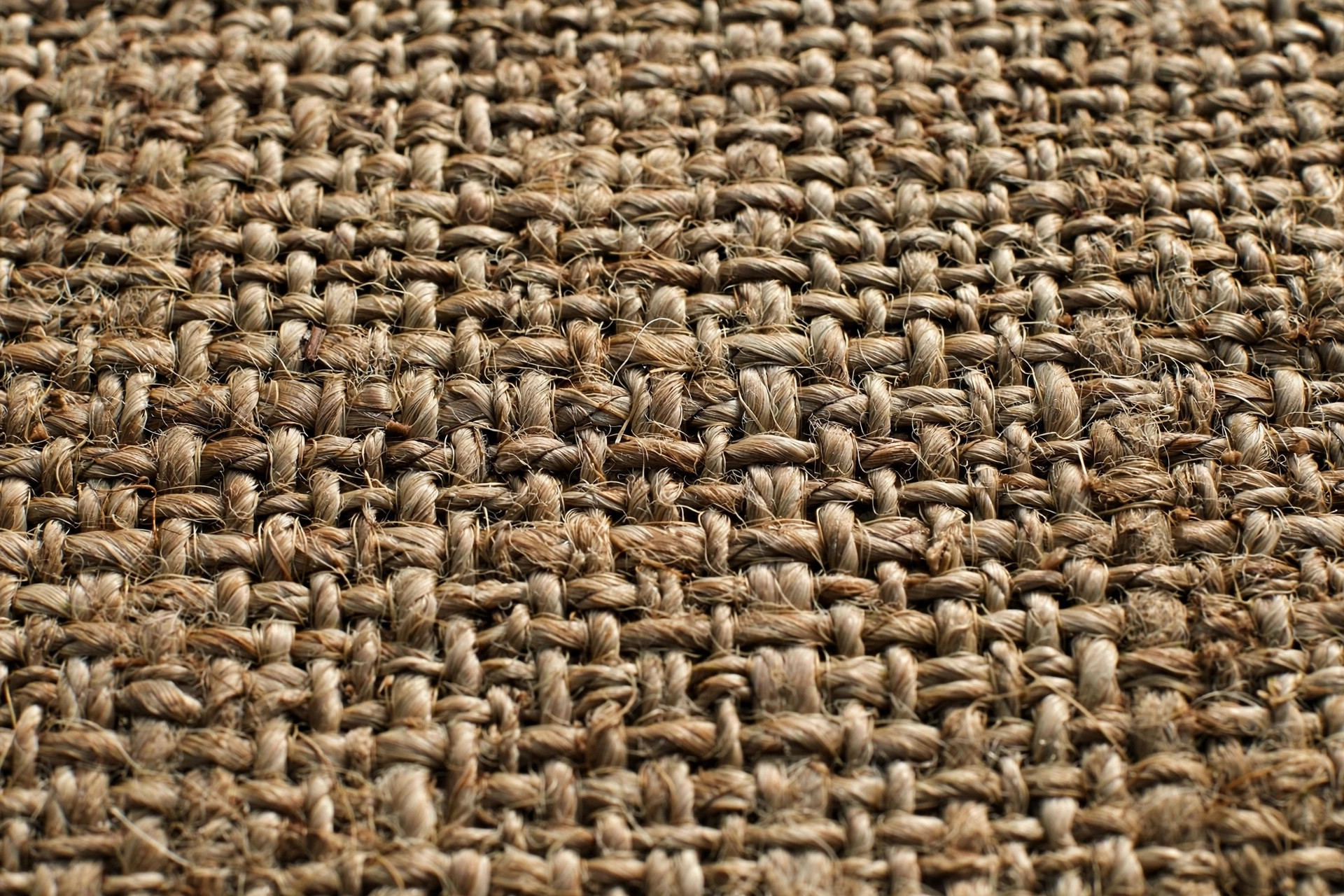
Hemp is one of humanity's oldest textile fibers — and one of its most sustainable. Grown with minimal water, no synthetic pesticides, and high yield per acre, hemp produces a strong, breathable fabric with a distinctive natural texture. After decades on the sidelines, it is back in serious fashion conversations.
Properties of Hemp Fabric
Hemp fiber is among the strongest natural fibers — garments resist abrasion and actually soften with wear and washing instead of wearing out. The fabric breathes well, blocks UV naturally, and resists mold and mildew. Pure hemp has a crisp, linen-like hand with a slightly rustic slub; it wrinkles like linen and drapes similarly.
Hemp vs. Cotton and Linen
Against cotton, hemp wins on durability, water use, and pesticide load, but loses on softness out of the gate — most apparel hemp is blended with organic cotton (commonly 55/45) for a softer hand. Against linen, the two are close cousins in feel and performance; hemp generally offers higher tensile strength and lower environmental impact per yard.
Sourcing and Designing with Hemp
Quality apparel-grade hemp comes mainly from China and increasingly from Europe, where processing has modernized. Expect higher prices than conventional cotton — the supply chain is smaller. Design for its character: hemp excels in casual shirting, pants, jackets, and accessories. Enzyme washing and blending are the standard tricks for softening the hand to meet consumer expectations.
FAQs
- Is hemp fabric legal to produce?
- Yes. Industrial hemp (low-THC cannabis) is legal to grow and process in most major textile-producing countries, though regulations vary — verify your supply chain's compliance.
- Why is hemp more expensive than cotton?
- Smaller scale: fewer growers, fewer processing facilities, and less spinning capacity than the massive cotton infrastructure. Prices fall as the supply chain grows.
- Does hemp fabric shrink?
- Like other cellulosic fibers, hemp can shrink on first wash — typically 3–5%. Pre-washing or enzyme finishing at the mill controls it.
- What blends work best for apparel?
- Hemp/organic cotton (55/45 or 70/30) is the workhorse blend for softness and affordability. Hemp/recycled polyester adds durability for outerwear.
Apparel Search: explore more production & sourcing resources for the fashion industry.