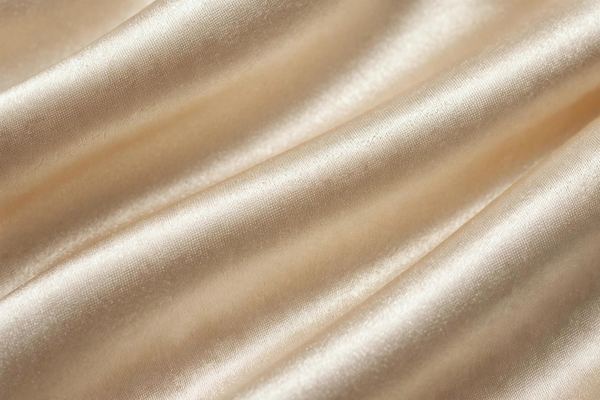
Satin weave is a weaving pattern with long floating yarns on the surface - creating the smooth, lustrous finish of satin, sateen, and charmeuse.
How Satin Weave Works
In satin weave, the warp (or weft) yarns float over four or more opposing yarns before interlacing - far fewer interlacing points than plain or twill weaves. With fewer interruptions, light reflects evenly off the long smooth floats, producing satin's signature shine. The classic satin weave is a 5-harness satin (float over 4, under 1); longer floats give even more luster but less stability.
Satin vs Sateen
- Satin - warp-faced (warp floats dominate the surface), usually made from silk or polyester filament yarns
- Sateen - weft-faced (weft floats dominate), usually cotton - the sheen of high-end sheets and shirting
Working with Satin
Satin is famously difficult to sew: it's slippery under the presser foot, shifts during cutting, and shows every pucker, needle mark, and imperfection. Professionals pin generously (or hand-baste), use sharp microtex needles, reduce presser-foot pressure, and cut single layers. The results reward the effort - nothing drapes like satin.
FAQs
- Is satin a fiber or a weave?
- A weave - 'satin' describes the structure, not the fiber. Silk satin, polyester satin, and cotton sateen are all satin weaves.
- Why does satin snag easily?
- Long floats catch on rough surfaces - the price of that shine. Handle satin garments gently.
- What's charmeuse?
- A lightweight satin weave with a dull back - classic for lingerie, blouses, and bias-cut dresses.
Glossary: see the full fashion glossary for more apparel industry terms.