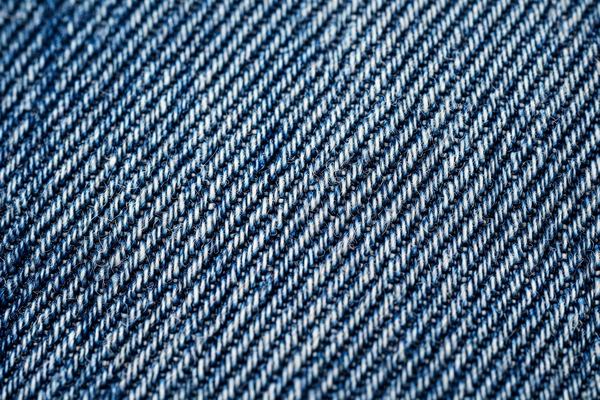
Twill weave is a weaving pattern that creates diagonal lines on the fabric surface - the structure behind denim, chino, gabardine, and tweed.
How Twill Works
In a twill weave, each weft yarn passes over and under the warp yarns in a staggered sequence - for example, over two, under one - and each row shifts the pattern over by one yarn. This offset creates the characteristic diagonal line (called the twill line) across the fabric. The simplest twill is a 2/1 (two over, one under); more complex twills use longer sequences for steeper or shallower diagonals.
Common Twill Fabrics
- Denim - the most famous twill of all, a warp-faced 3/1 twill with indigo warp and white weft
- Chino - a lighter cotton twill, the backbone of casual trousers
- Gabardine - a fine, steep twill used in suiting and outerwear
- Tweed - woolen twills (and plain weaves) with rustic character
- Houndstooth - a 2/2 twill with a color-and-weave effect creating the broken check
Why Twill
Twill weaves are stronger than plain weaves - the structure packs more yarns into the fabric and distributes stress better, which is why workwear and denim rely on it. Twill also drapes more softly than plain weave and hides soil and wrinkles better, making it practical for everything from jeans to suiting.
FAQs
- What angle is the twill diagonal?
- Typically 45 degrees, though variations exist - steeper twills use longer float sequences.
- Is denim always twill?
- Yes - denim is defined as a warp-faced twill weave, traditionally 3/1 with indigo warp yarns.
- Twill vs plain weave - which is stronger?
- Twill - the structure packs more yarns in and resists tearing better than plain weave.
Glossary: see the full fashion glossary for more apparel industry terms.