Luggage Report — Industry Overview — Sample Pages: Sourcing Luggage from China
China Sourcing Report — Luggage: industry overview — sample pages
This page presents sample pages from the industry overview of the Luggage China Sourcing Report — the section that explains the market behind the 66 supplier profiles and 116 gallery products that follow it. An industry overview is where a sourcing report proves its value, because it connects the facts a buyer can see, such as prices and materials, to the forces a buyer cannot, such as wage pressure, licensing changes and capacity plans. The navigation directly below this introduction carries every link on this page, including the report's table of contents and the sample pages for the executive summary, supplier profile and product gallery.
Directory, Report and Magazine Links on This Page
- Clothing Industry & Textile Industry Reports
- Fashion Accessories Report
- Garment Reports
- Textile Reports
- Apparel Research
- Apparel Industry Guides
- Fashion
- Fashion News
- Clothing Industry Employment
- What you'll get
- How you'll benefit
- Table of contents
- Executive summary
- Supplier profile
- Product gallery
- Xue Mei
Industry Overview: Luggage
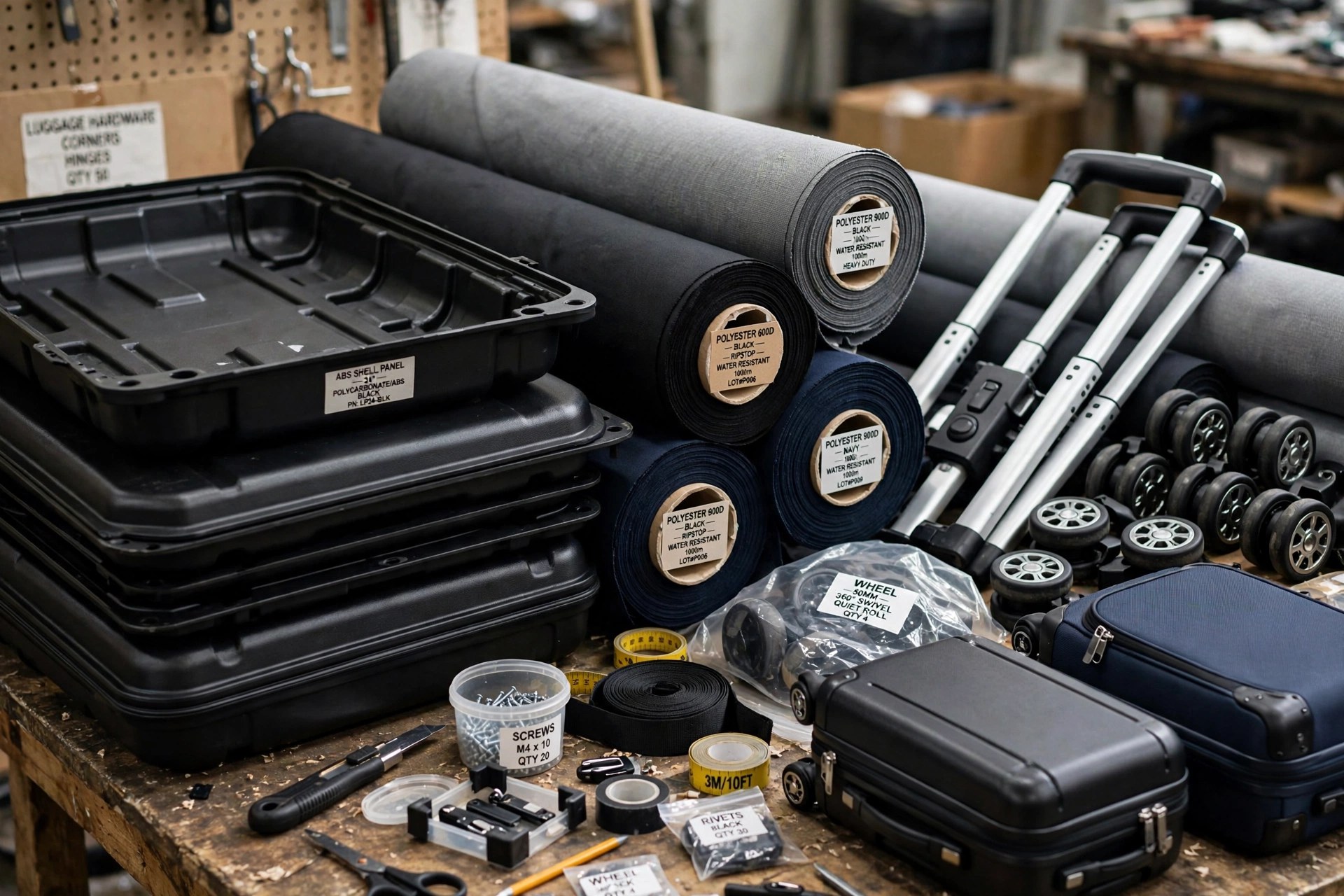
Intense competition and higher raw material costs have made it crucial for luggage suppliers in China to improve the quality of new releases, and speculation about US anti-dumping measures and a reduced tax reimbursement rate for textile luggage pushed the same way. Most materials used in luggage are petroleum-based and exposed to crude oil prices: the cost of ABS, the main frame material, rose 20 percent at the start of the year, while PVC and EVA grew 30 percent. Makers had no choice but to raise prices — yet heightened competition makes the same product at a higher price hard to sell, so many suppliers have moved into upscale luggage that commands a higher price on its merits. An estimated 30 percent of the country's luggage suppliers were already focusing on high-end production, and many of those companies were growing export sales fast enough to double assembly lines, while most makers that stayed at the low end operated on razor-thin margins and a few stopped operations.
The industry composition behind those moves is large: export sales of 2.8 billion pieces worth US$3.8 billion in 2004 made China the world's foremost luggage producer, providing 75 percent of global supply. About 1,500 suppliers operate in the country, 70 percent of them exporting directly or through trading companies; makers export 85 percent of output on average, mainly to the United States, the European Union and Japan, and 85 percent of exports go to OEM and ODM buyers, with much production shipped to major luggage brands. The upmarket shift is visible in the trade figures: outbound shipments rose 7 percent in volume in 2004 while value grew 18.5 percent and average prices increased 16.7 percent, with prices expected to climb a further 5 to 15 percent as upmarket lines expand.
How to Read This Overview as a Buyer
Read the overview for decisions, not background. The cost figures tell you how much room a supplier has to negotiate: a maker absorbing most of a cost increase will either raise prices soon or cut somewhere you cannot see, and both possibilities belong in your order planning. The competition analysis tells you where your enquiry has leverage — crowded, standardised segments compete on price, while design-led segments compete on capability — and the supplier survey turns the industry's own expectations about prices, sales, research focus and capacity into a planning horizon for the year ahead. In this report, Pinghu is profiled as the production hub, and a Taiwan industry overview places the China supply base in regional context, a fact the full overview develops with production and survey detail.
The overview also frames the 66 profiles that follow it. A profile's prices mean little until they are set against the overview's price trends; a factory's expansion plan means more when two-thirds of its competitors are expanding too. Buyers who read the overview first consistently shortlist better, because they know which claims to test when they reach the profiles and the product gallery.
Luggage Report at a Glance
Suppliers profiled: 66 | Products in the gallery: 116 | Pages: 104 | Published: October 2005 | Price: US$445
All information in the China Sourcing Reports is the result of independent, impartial research conducted by Global Sources analysts, based on in-person factory tours. Apparel Search works in association with Global Sources to promote these sourcing reports to the international fashion community. Questions about a report or the status of an order go to the Global Sources contact named in the navigation on this page.
Photos

Common Questions
What does the industry overview of the Luggage report cover?
Supplier demographics, products and prices, materials and components, manufacturing, research and design, and a supplier survey on export prices, sales, target markets and capacity plans — applied to luggage sourcing from China.
Why read the overview before the supplier profiles?
Because it supplies the market frame — cost pressure, price direction, competition and capacity — that makes each of the 66 profiles readable and lets a buyer test a supplier's claims against industry evidence.
How big is the full Luggage report?
104 pages with 66 supplier profiles and 116 gallery products, published in October 2005 at US$445.