The Nonwovens Industry in North America
A Textiles Intelligence research report on North American nonwovens: markets, technologies and twenty leading players
The nonwovens industry in North America supplies half of the world's demand for nonwovens products, and is one of the few sectors in North American textiles to show steady growth. It is also one of the few with a large export surplus, most others being threatened by low cost imports. This Textiles Intelligence report provides data on market size by sector and highlights potential merger and acquisition targets. Twenty leading players in North America are profiled, and the report also lists names and contact details of North American roll goods manufacturers. Textiles Intelligence, formed in 1992 as a spin-off from the Economist Intelligence Unit, supplies global business information to the international fibre, textile and apparel industry, with customers in more than 60 countries spread across five continents.
Structure, Fibres and Technologies
Chapter 1 introduces the industry's position: the position of the USA in the world nonwovens industry, the US industry, US foreign trade in nonwovens, the development of the US nonwovens industry, and leading markets for nonwovens. Chapter 2 examines structural changes in the US nonwovens industry — mergers and acquisitions, partnerships and joint ventures, capacity expansions, and closures and contractions — the activity from which the report's potential merger and acquisition targets are drawn. Chapter 3 covers fibres for nonwovens, man-made and natural. Chapter 4 works through nonwovens technologies one by one: air-laid, wet-laid, spunbonded, meltblown, spunlaced, needlepunched, composites and other technologies, so a reader can connect each product market in the following chapter to the process that serves it.
Products, Markets and the Environmental Effect
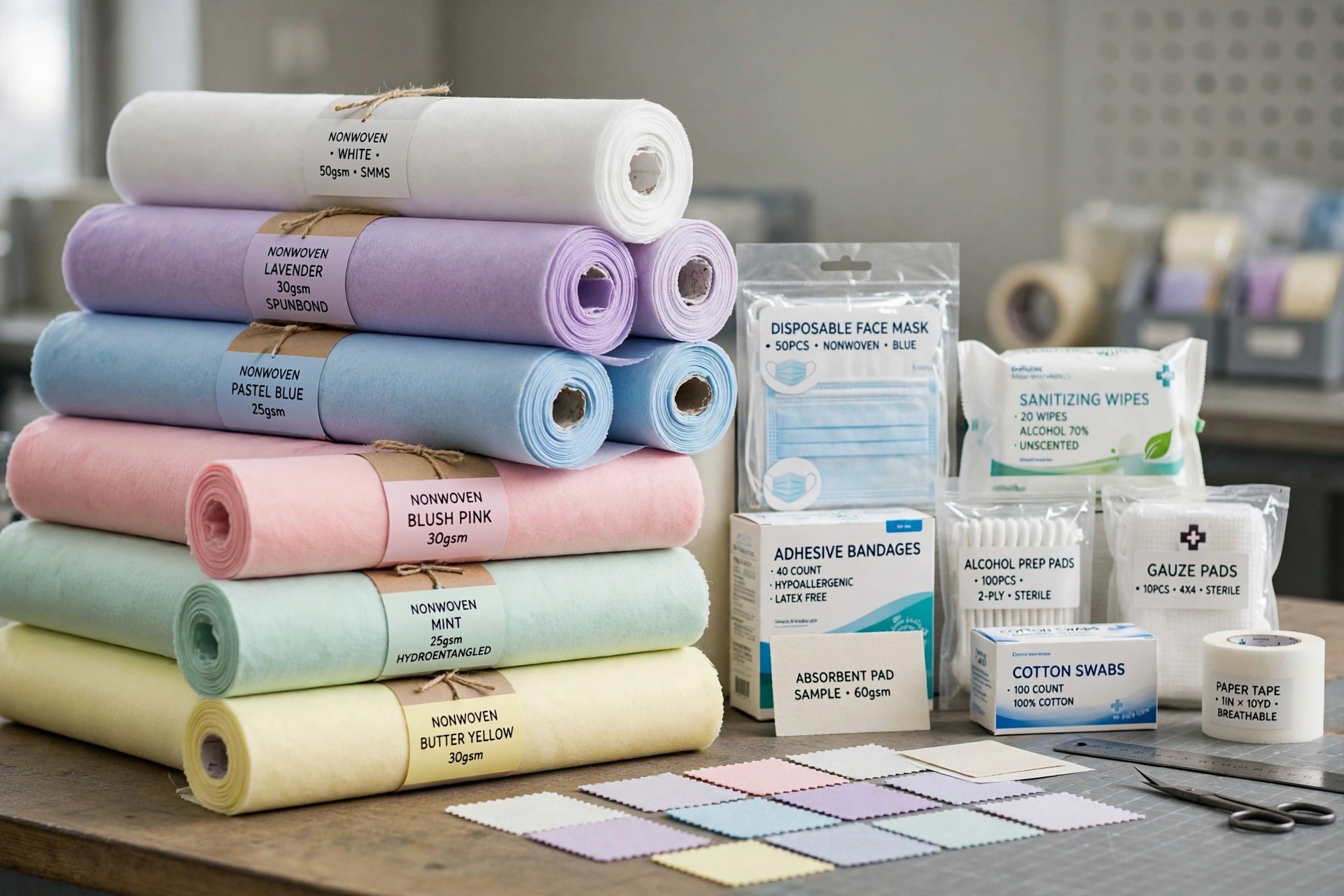
Chapter 5 covers products and markets in depth: baby diapers, adult incontinence, sanitary protection products, wipes, medical nonwovens, protective apparel, oil sorbents, geotextiles, filtration, automotive uses, battery separators, floorcovering, footwear and leather goods, roofing, furniture and bedding, interlinings, and bullet-proof vests and other high performance applications, among other miscellaneous markets. The breadth is the point — nonwovens had escaped any single end use. Chapter 6 then takes up the environmental effect: the disposables question, nonwovens protecting people, government intervention, and nonwovens benefiting from environmental concerns, a balanced treatment of the sector's most contested issue, since so many of its largest markets are single-use products.
Twenty Company Profiles and the Roll Goods List
Chapter 7 profiles twenty leading players, including Amoco Chemical Company, Chicopee, Dexter Nonwovens, Dominion Textile in Canada, Du Pont Industrial Products, Fiberweb North America, Foss Manufacturing, Freudenberg, Hoechst Celanese, Hollingsworth & Vose, Kimberly-Clark, Lydall, National Felt, Reemay, Scott Nonwovens, Stearns Technical Textiles, Troy Mill and Veratec. Chapter 8 closes with future trends and market sector forecasts. The appendices make the report a working directory as well as an analysis: a list of North American roll goods manufacturers, a glossary of nonwovens terms, related US associations and other organisations, and US, European and Japanese nonwovens associations. For companies entering the sector, supplying it, or assessing its players as partners or acquisition targets, the combination of market size data by sector, structural change analysis and named manufacturers is the report's practical core.
Common Questions
How large is North America's nonwovens industry?
It supplies half of the world's demand for nonwovens products, is one of the few North American textile sectors to show steady growth, and is one of the few with a large export surplus.
Which companies are profiled?
Twenty leading players, including Chicopee, Dexter Nonwovens, Du Pont Industrial Products, Fiberweb North America, Freudenberg, Hollingsworth & Vose, Kimberly-Clark, Lydall, Reemay, Scott Nonwovens and Veratec.
What directory information does the report include?
Names and contact details of North American roll goods manufacturers, plus a glossary of nonwovens terms and lists of US, European and Japanese nonwovens associations, alongside market size data by sector and merger and acquisition target highlights.