Apparel Search Consumer Guides
Preemie Clothing Guide
The smallest wardrobe in the children’s department — sized by weight, sewn to the strictest softness specification in baby clothing, and designed to open flat.
Preemie clothing is the size family below newborn: garments graded by weight bands for babies who arrive early and small. It earns its own guide because almost everything about it differs from the ordinary baby wardrobe our baby clothes guide and infant clothing guide describe — the sizing runs on pounds and inches rather than months, the cut is leaner, the seams are flatter, and many pieces are designed to open completely flat rather than pull over a head. This section reads preemie clothing the way a clothing guide should: as garments. It covers how the sizes work, how the softness specification is sewn, and which openings do what — for parents building the smallest drawer in the house, and for gift buyers trying to choose well for one.
Search Apparel Search
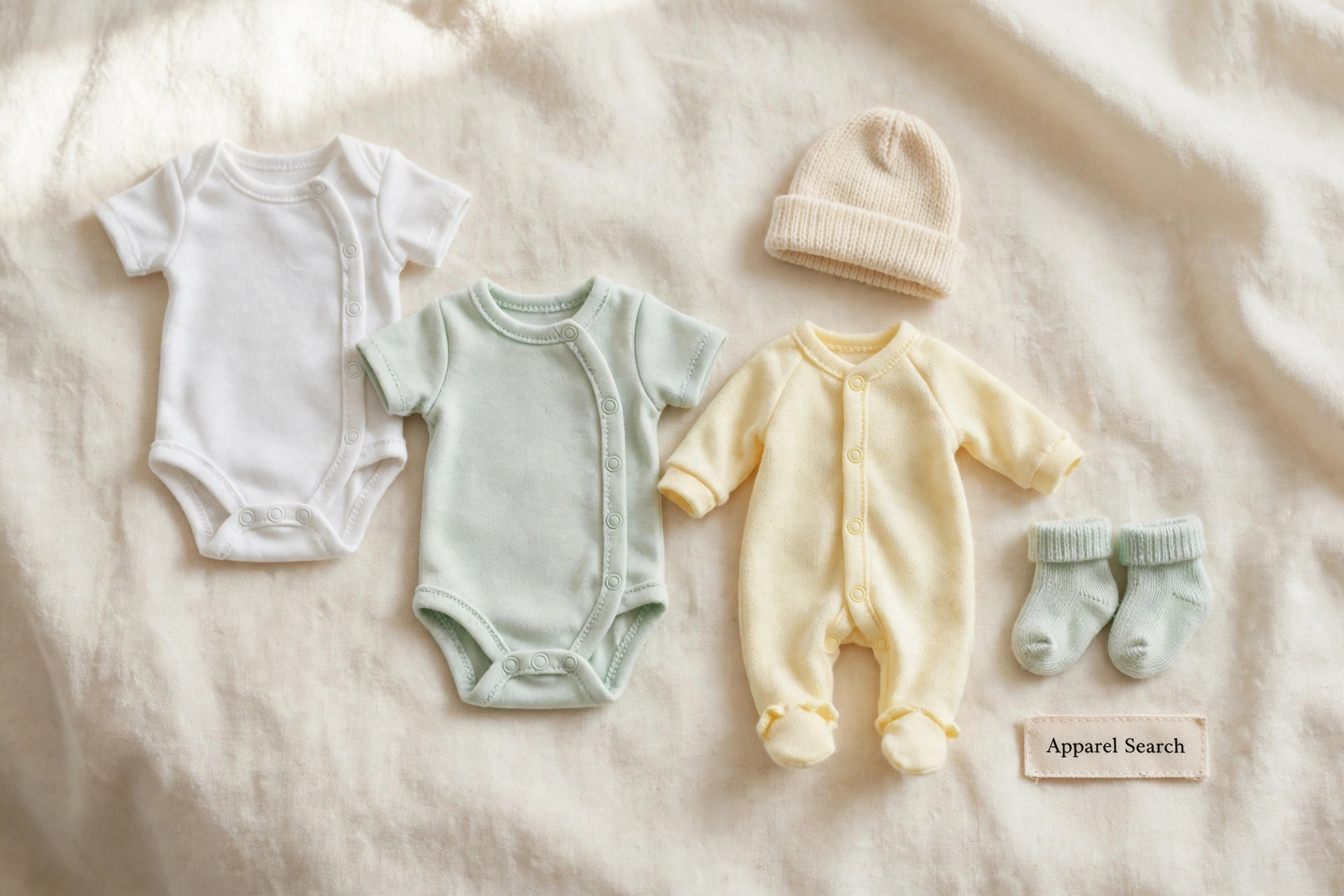
The Guides in This Section
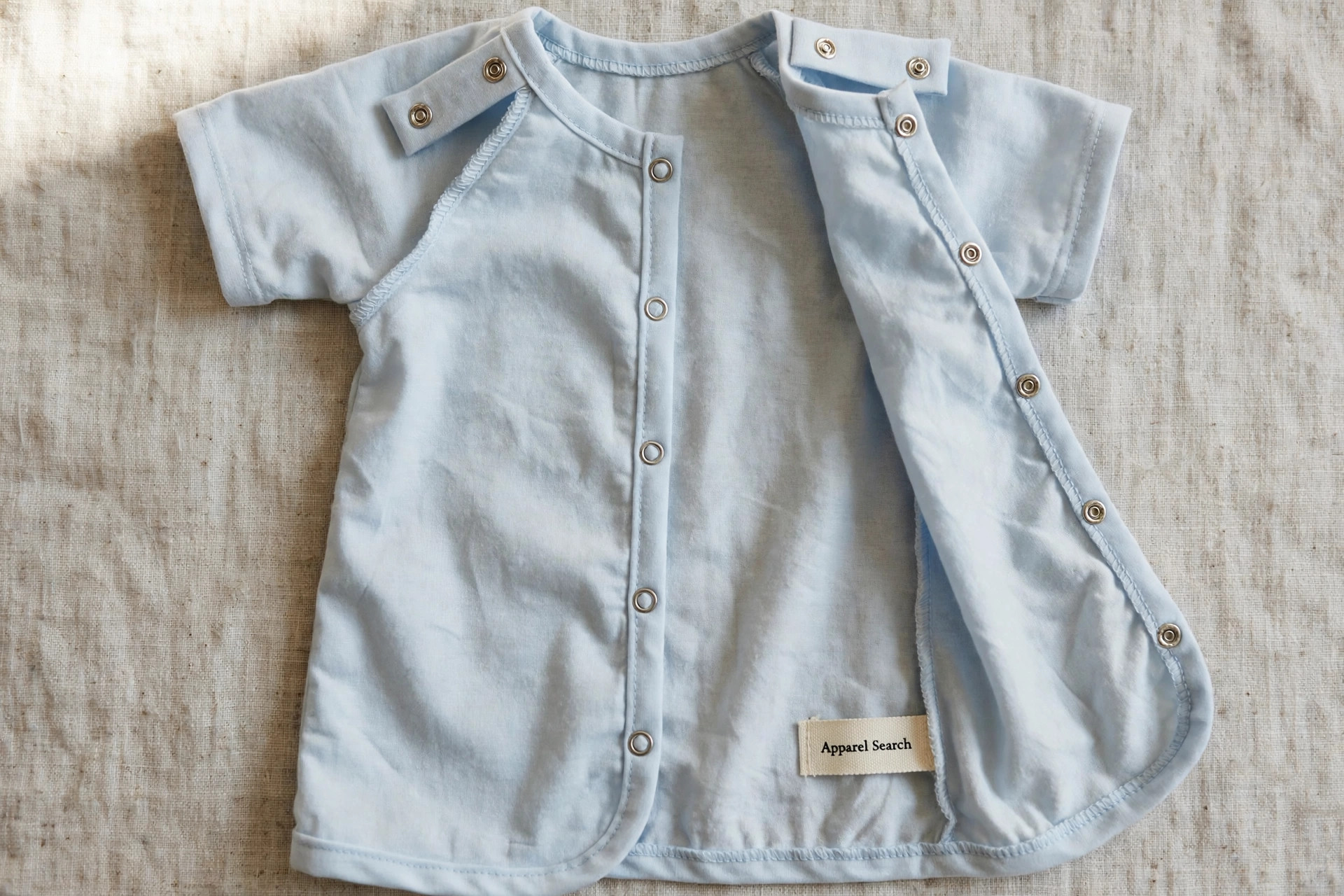 NICU-Friendly Clothing FeaturesFront and side openings, shoulder snaps, footless designs — the features hospital-ward garments are built around, and the honest picture of what families buy for the stay and for the trip home.
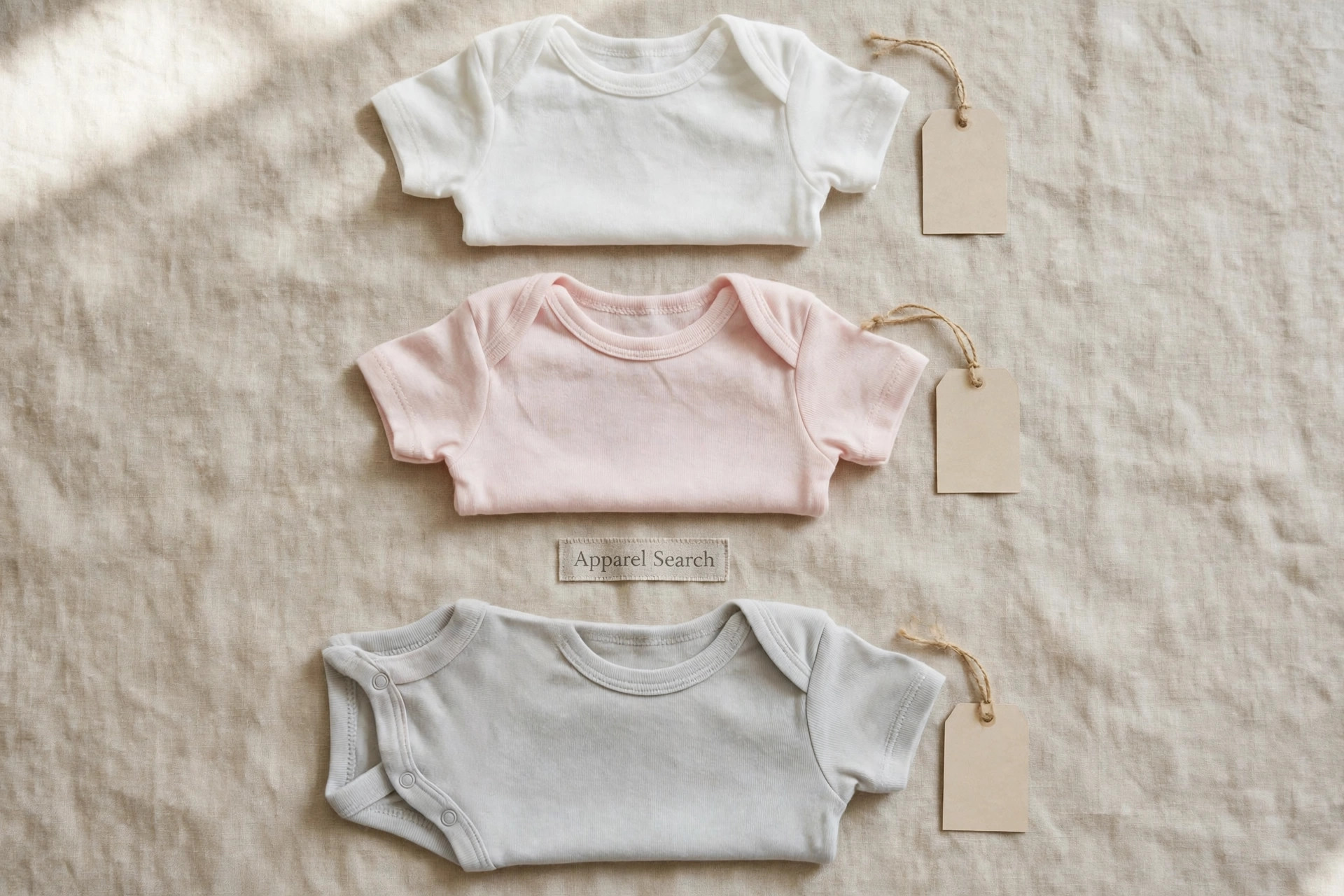 Preemie Clothing Sizes, ExplainedMicro preemie, preemie and newborn bands by weight and length, when a baby steps up a band, and how much to buy for a stage that is outgrown fast.
Why Preemie Clothes Are a Separate Category
Sizing by weight. Age bands stop meaning anything below newborn: a baby’s fit at this scale is set by weight and length, so preemie labels print those numbers first. The sizes page decodes the bands label by label.
A leaner cut. Preemie patterns are graded down in width as well as length. That is the difference between a garment that fits and a newborn garment with the sleeves rolled — the rolled one still gapes at the neck and bunches under the back.
Dressing, done flat. Many preemie garments are built to be laid open on a surface, the baby placed on top, and the garment closed around — no overhead pull, no threading of arms through set-in sleeves on a resistant wearer. Our features page takes that construction apart piece by piece.
Softness Is a Specification
Every baby range claims softness; preemie ranges are where the claim becomes a checklist. Seams are sewn flat or covered so no ridge stands proud of the fabric. Labels are printed on the cloth or moved to an outside seam, because a sewn-in label is a stiff rectangle against the back. Decorations — appliqué, embroidery backing, raised prints — are kept off the inside entirely, and fabrics default to smooth cotton interlock and fine rib knits. It is the same checklist, one size down, that our eczema-friendly clothing for kids applies to children’s wardrobes, and the construction detail sits in our garment construction for sensitive skin guide.
Designed to Open
The signature of the category is the opening. Full-front snap lines, kimono-style side closures, shoulders that unfasten so a garment slides on from below, footless legs — each opening exists so the garment can be put on, adjusted or removed around a baby who is lying flat and, in hospital, around the leads and lines that are part of the setting. The NICU-friendly features guide works through each design and what it is for, including the practical question of who supplies the clothes during a hospital stay.
What Families Typically Need First
The first drawer is small on purpose. A handful of bodysuits or gowns in the band the baby is in now, one or two hats, socks that stay on small feet, and a single outfit set aside for coming home covers the start; the next band is bought when the fit signs on our sizes page say so, not before. Gift buyers do best with the current band or one up, plain cotton, full openings, and the receipt kept.
A Size Range, Not a Brand Standard
“Preemie” on a label is a size name used by makers, not a certified grade with one chart behind it. One brand’s preemie band ends where another’s begins, and the overlap between preemie and newborn is real. Judge any garment by the weight and length printed on its own chart — and by the construction checklist above — rather than by the word on the tag.
A Garment Guide, Not Medical Advice
This page covers clothing: how preemie garments are sized, sewn and fastened. It describes what the garments are made of and how they open and close — nothing here is advice about a baby’s care. Questions about your baby belong to your own doctor and care team, and their guidance outranks anything in a product description — including the ones described here.
Shop Preemie Clothing on Amazon
Ready to shop? Product links are kept in one place on the Apparel Search shopping guide:
Shop Clothing on AmazonThis link opens the Apparel Search shopping guide for Amazon, where the product links are kept in one place.
Common Questions
What makes clothing “preemie” rather than just small newborn?
The grading and the construction. Preemie ranges are sized by weight bands that sit below the newborn band, and they are cut leaner, for a smaller frame — a newborn garment in a smaller length would still be the wrong shape. The construction brief is stricter too: flatter seams, labels printed rather than sewn in, decorations kept off the inside, and openings that let the garment be laid open flat instead of pulled over the head.
Should families buy preemie clothes before the baby arrives?
A small start is the usual pattern: a few pieces in the smallest band the family expects to need, receipts kept, and the rest bought once the baby’s actual weight is known. Preemie bands are outgrown quickly, so the drawer fills in stages — the sizes page in this section works through the quantities band by band.
Can a premature baby just wear newborn clothes with the sleeves rolled?
Rolled sleeves solve length and nothing else. A newborn garment on a much smaller frame gapes at the neck, bunches across the back the baby lies on, and leaves folds of spare fabric everywhere — and the softness specification is the ordinary one, not the flatter, plainer construction preemie ranges are sewn to. The preemie cut exists for proportion, not just for shorter hems.
What should gift buyers choose?
Buy for the band the baby is in now, or one band up, in plain soft cotton with full openings — gowns and side-snap bodysuits are the most-used garments at this size. Skip raised decorations, stiff appliqué and anything that fastens only over the head, keep the receipt in the parcel, and remember that a homecoming outfit in the next band up is often the most welcome single piece.
Please note: Apparel Search is a fashion and clothing guide, not a medical authority. Pages in this section describe clothing features and dressing ideas only. We make no claim that any garment or special product will improve, treat, or help with any medical condition, and descriptions of product features reflect how those products are designed and marketed, not a medical endorsement. Please check with your own doctor or care team about what is right for you.