Royal & State Fashion · State Dressing Profiles
Queen Máxima: Colour, Hats and the Discipline of Delight
Some royal wardrobes whisper. Queen Máxima of the Netherlands does the opposite, deliberately and on the record: saturated colour worn head to toe, hats wide enough to be recognised across a square, jewellery large enough to read on camera, and — underneath the exuberance — a strict working system. A single Belgian house supplies the daily wardrobe. A Dutch couturier builds the state gowns. A milliner of twenty-five years' standing makes the hats. And the clothes are re-worn, openly and often, including on the biggest day of the reign. This guide documents that system from the record: the designers, the four outfits of the 2013 investiture, the signature practices, and an impact section that stays qualitative because, as it states plainly below, no measured figures exist — and none are invented here.
At a Glance
- The queen
- Máxima, queen consort of the Netherlands, wife of King Willem-Alexander; Argentine-born
- Workhorse house
- Natan, designed by Edouard Vermeulen — the foundation of the day wardrobe
- State gowns
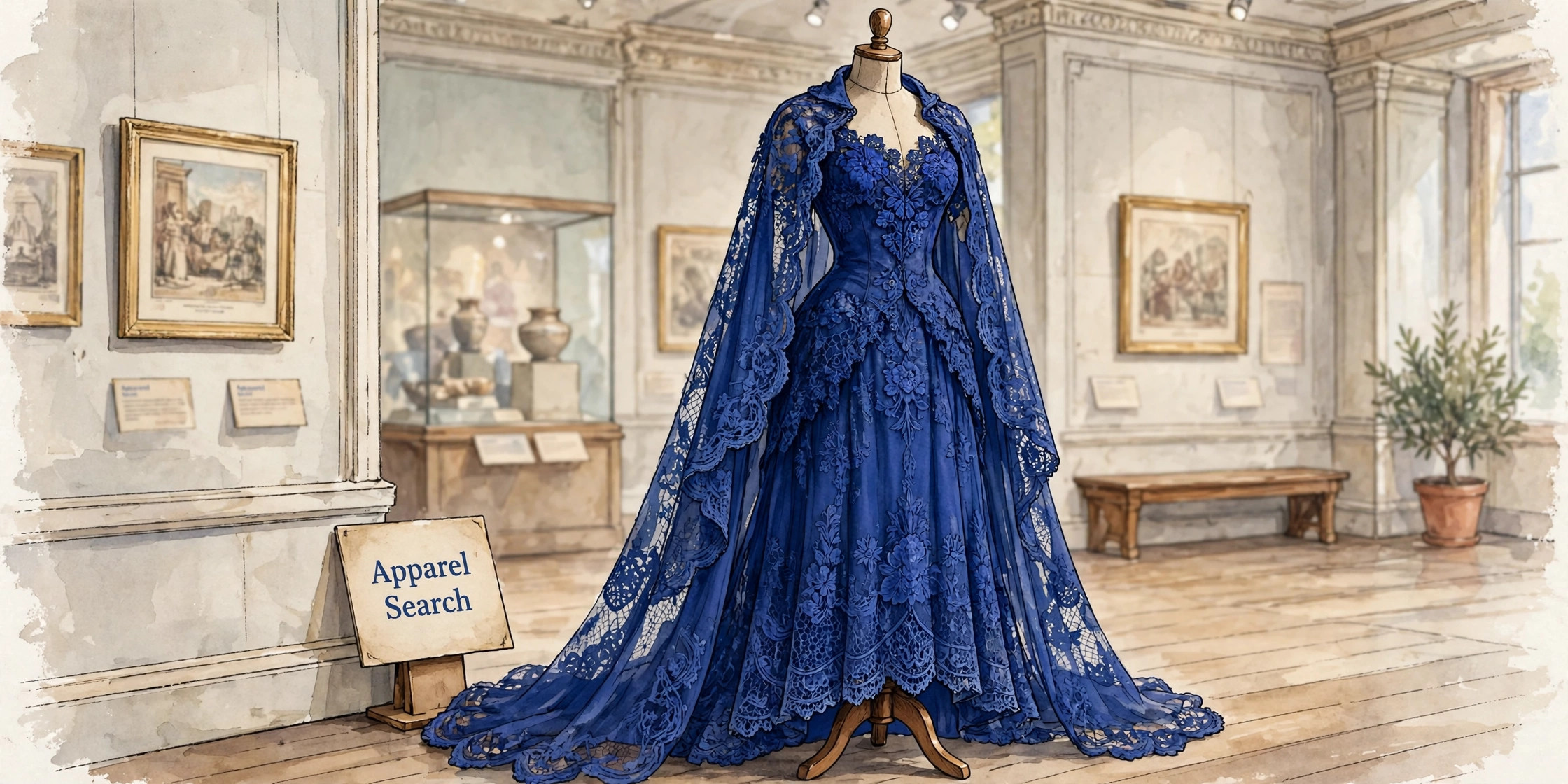
- Jan Taminiau — including the cobalt-blue lace gown and cape of the 2013 investiture
- The investiture
- 30 April 2013 — four documented outfits across the day, from Natan pale pink to the Taminiau ceremony gown
- The milliner
- Fabienne Delvigne, who has made her hats for 25 years
- The practice
- Saturated colour, statement hats, large costume jewellery — and documented re-wearing, even of state gowns
The Workhorse House
Natan and Edouard Vermeulen: The Daily System
Every durable royal wardrobe in this section rests on one house that does the unglamorous work of dressing a working royal week after week, and for Máxima that house is Natan, the Belgian label designed by Edouard Vermeulen. Natan supplies the tailored day dresses, coat dresses and occasion pieces that form the visible bulk of her public wardrobe — the clothes of factory visits, conferences, christenings and state-visit day programmes, cut with the clean lines and strong shoulders that carry her colour choices. A workhorse house matters more than a gala designer to how a queen actually looks over a reign: it sets the silhouette the public recognises, it fits reliably at speed, and it understands the job's constraints — clothes that must photograph well, travel well and repeat without apology.
Vermeulen's own verdict on his client, given to the news agency AFP, has become the standard summary of the relationship: "She's undoubtedly a woman of our times… She was born for the role." The full remark places her as a woman of her times who took to queenship naturally, and the working record supports the professional half of the compliment. The Natan wardrobe is not timid: Vermeulen dresses her in the saturated oranges, ochres, reds and fuchsias that a more cautious house would dilute, because the queen's whole visual strategy — set out in the colour section below — depends on a house willing to cut a fuchsia coat dress without flinching. Designer and wearer are matched in appetite. That match, sustained over years rather than a season, is what turns a supplier into a system: the queen can order visibility by the rail, knowing the house will deliver it tailored, finished and ready to be worn again.
The workhorse arrangement also explains the wardrobe's most praised habit: its repeats. A house that dresses the same woman weekly, for years, builds a stock of proven pieces cut to her measure and her programme, and Máxima draws on that stock openly — re-wearing is documented across her wardrobe, from day tailoring to the state gown discussed in the investiture section below. In a newer royal wardrobe, a repeat can look like an economy; in a long-serving workhorse system it reads as what it is, the natural result of buying clothes built to be worn for a decade rather than a season. The Natan rails are the engine of that ethic: familiar silhouettes returning in new colours, trusted cuts returning in new fabrics, a public wardrobe that accumulates recognition instead of discarding it. When commentators call her style consistent, this is the machinery underneath the compliment — one house, one fit, one colour appetite, compounded over years of working days.
The Set Piece
30 April 2013: Four Outfits and an Investiture
The Netherlands does not crown its monarchs; it invests them, in a secular ceremony before the States General — which makes the Dutch case the essential comparison in any account of coronation and state ceremonial dress. There is no crown placed on a head and no anointing, so the state dressing has to carry the full ceremonial weight that regalia carries elsewhere. On 30 April 2013, the day Willem-Alexander succeeded his mother, Máxima's wardrobe did that work across four documented outfits — a rotation recorded in detail by HELLO!'s coverage of the inauguration.
She began the day in pale pink by Natan — the workhorse house trusted with the morning's abdication proceedings, soft in colour and immaculate in cut. For the investiture ceremony itself she changed into the gown this page takes as its hero: a cobalt-blue lace gown with a matching cape by Jan Taminiau, worn with the Mellerio sapphire tiara. Every element of the choice repays attention. The blue is deep, saturated and unmistakable on camera — her signature colour strategy raised to state level. The lace and cape give a secular ceremony the visual gravity of a coronation robe without borrowing coronation forms the Dutch constitution does not use. And the designer is Dutch: on the day the world's press photographed the new queen consort, the gown announced national design as plainly as the ceremony announced the new king.
The day's other documented lesson is a re-wear. Her gown for the pre-investiture dinner was by Valentino — the house that made her wedding dress in 2002 — and it was not new: she had first worn it in 2008. A queen consort who re-wears a five-year-old gown to the eve-of-accession dinner is making the wardrobe's values visible at the moment of maximum attention: buy the best, keep it, wear it again. Four outfits, three houses, two countries of design, one tiara — and the through-line is discipline, not extravagance.
The Signature
Saturated Colour, Statement Hats and Jewellery That Reads on Camera
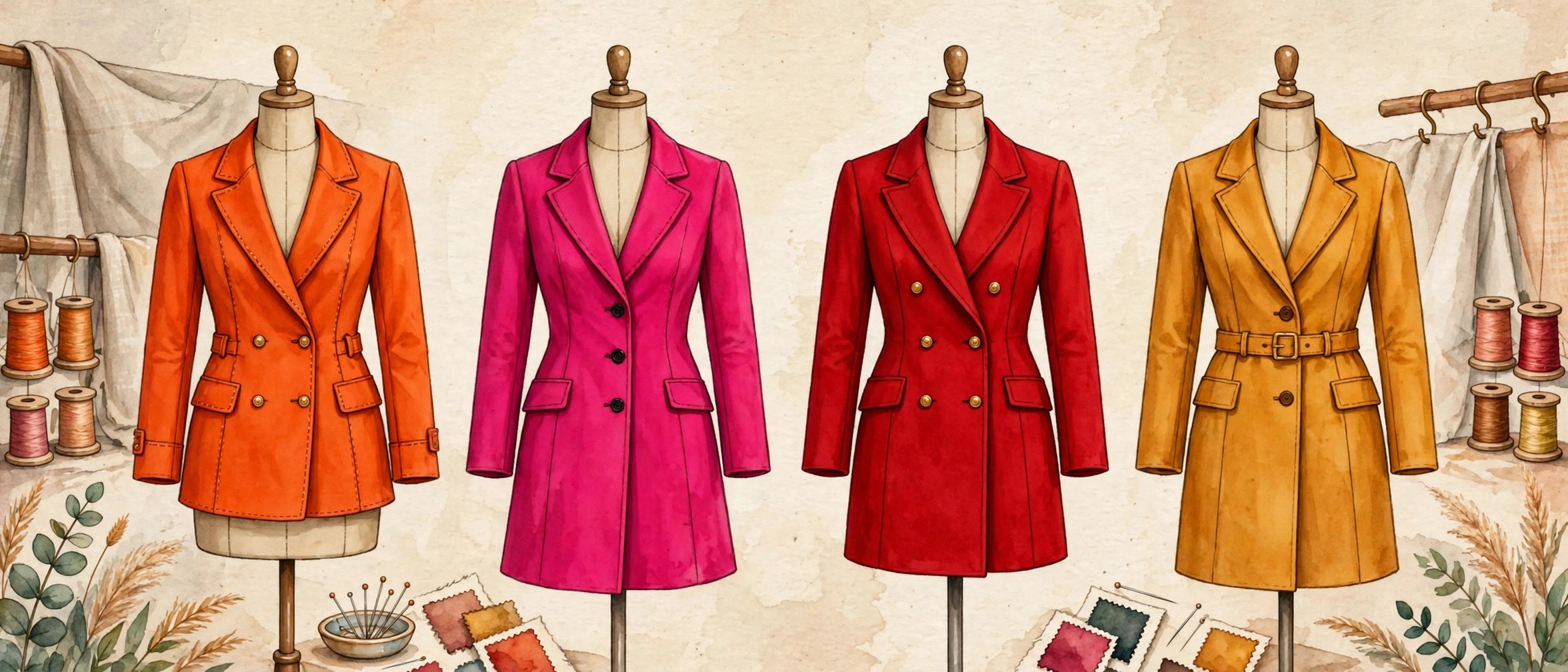
Máxima's signature practices are documented consistently enough to be stated as a system. The first is colour: not the single bright coat of a visibility doctrine, but saturated colour worn as complete statements — orange in its many registers, ochre, scarlet, fuchsia — tailored into clean silhouettes by Natan and her other houses so that the colour, not the complication, does the work. In a monarchy whose national colour is orange, a queen fluent in saturated colour is never visually neutral, and the press record of her reign is a colour chart: engagement after engagement filed by hue.
The second practice is millinery at architectural scale. Her hats come principally from the Belgian milliner Fabienne Delvigne, who has made them for 25 years — a quarter-century collaboration that has produced the wide brims, sweeping discs and sculptural shapes that frame her face in photographs. Delvigne's evidence about the collaboration's fame, given to AFP, is the millinery equivalent of a sell-out report: her clients so associate the house's boldest work with the queen that they constantly assume new designs "must be for Máxima." When a maker's other customers read her latest work as the queen's by default, the signature has fully transferred — the style is identified with the wearer even on a stand in a showroom.
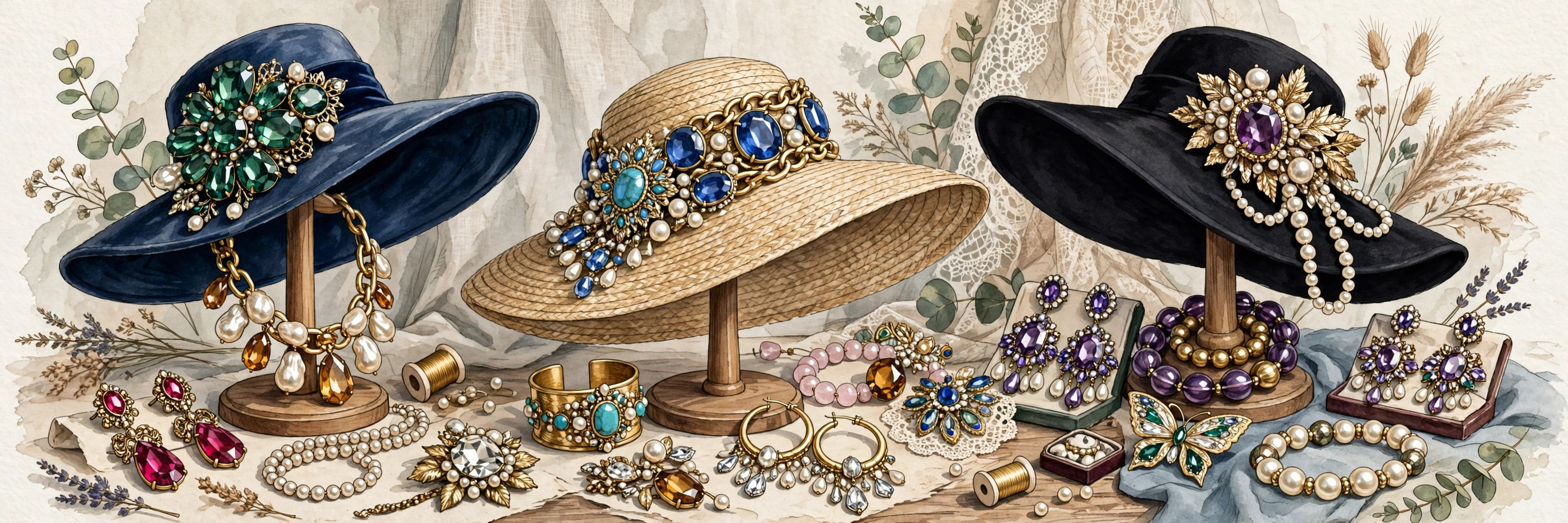
The third practice completes the scale: large costume jewellery. Where many royal wardrobes reserve visual weight for historic diamonds, Máxima routinely wears big, contemporary costume pieces — statement earrings, bold necklaces — that hold their own against saturated colour and wide brims at camera distance. It is a democratic detail inside a regal silhouette: the earrings need not be heirlooms to do the diplomatic work of finishing a national-colour outfit on a state visit. Colour, hat and jewel are scaled to each other and to the photograph, which is to say to the actual medium in which a modern consort's dressing is judged.
The Wider Stable
Taminiau, Iversen, Valentino and the Argentina Nod
Beyond the workhorse and the milliner, the documented stable is small and purposeful. Jan Taminiau is the state-gown couturier: the investiture gown and cape are his defining royal commission, proof that a Dutch house could carry the reign's biggest day. Claes Iversen, the Danish-born, Amsterdam-based couturier, is the other national-stage name in her rotation — another working designer of the Dutch fashion world given a world audience by her patronage. Valentino holds the personal-history brief: the house dressed her as a bride in 2002 and supplied the re-worn dinner gown of 2013, linking the wardrobe's private milestones to its public ones.
The most personal entry in the stable is Benito Fernández, the Argentine designer she wears as a nod to her native country. Born in Buenos Aires and a Dutch queen by marriage, Máxima carries two national stories, and the Fernández choices acknowledge the first without diluting the second: an Argentine designer in the rotation of a Dutch consort is biography worn as inclusion. It is the consort's version of diplomatic dressing — not a compliment embroidered for a host nation on a tour, but a standing acknowledgment, inside her own wardrobe, of where its wearer came from. Read together, the stable maps her position exactly: Belgian workhorse, Dutch state couturiers, an Italian house of personal history, and an Argentine thread that keeps the origin story in the clothes.
The Honest Ledger
Re-Wearing, Patronage and an Impact Section With No Numbers
This guide's impact section is short on purpose, and it says so plainly: no retail figures, no search-spike series and no "Máxima effect" metric exist in the research behind this page. No platform has published her sell-outs, no academic study has priced her appearances, and this page invents no number to fill the gap. Readers who find a precise figure for her effect elsewhere should ask who measured it; for the wardrobes in this section that do carry numbers, the measurer and date are always named.
"She was born for the role." — Edouard Vermeulen of Natan, on his queen, to AFP
What is documented is qualitative, and it is not nothing. Her impact runs through patronage: Dutch and Belgian houses — Natan, Jan Taminiau, Claes Iversen, Fabienne Delvigne's millinery — are showcased on a world stage every time she steps out, worn by one of the most photographed consorts in Europe, in colour that guarantees the photograph travels. Delvigne's clients assuming her boldest hats "must be for Máxima" is a small, concrete measure of that transfer of fame from wearer to makers. Her press reputation — the consistent best-dressed coverage, the recognisability of the silhouette — is the other documented asset. And her re-wearing, documented from the 2008 Valentino gown's return in 2013 onward, models the wardrobe ethic this section keeps meeting in its most durable subjects: clothes bought seriously, kept properly and worn until they become signatures. A queen whose effect cannot be priced can still be assessed — by the designers her patronage sustains, the national industry her biggest day promoted, and a style so consistent that a hat on a stand in Brussels is mistaken for hers. That is the honest ledger, and it balances.
The investiture shows the patronage argument at full strength, which is why this page treats 30 April 2013 as its centre. On the single most photographed day of the reign, the day wardrobe came from her Belgian workhorse house, the ceremony gown from a Dutch couturier, the dinner gown was a re-worn Italian piece with personal history, and the tiara was historic. No stylist's mood board could have distributed the honours more precisely: national design given the ceremonial summit, the loyal house given the morning, loyalty itself — to a dress, a designer, a five-year-old gown — given the evening. If a future researcher wants one day that contains the whole Máxima system, that is the day, and it is documented outfit by outfit. The absence of a sales figure does not make the day unmeasurable in every sense; it makes it measurable in the currency this wardrobe actually trades in — attention, credited to named Dutch and Belgian makers, on the record.
Common Questions
Questions & Answers
Who designs Queen Maxima's clothes?
Her workhorse house is Natan, designed by Edouard Vermeulen, who told AFP that she was born for the role. Jan Taminiau designs her state gowns, including the cobalt-blue lace gown and cape worn for the investiture on 30 April 2013. She also wears Claes Iversen, Benito Fernandez for occasions that nod to her native Argentina, and Valentino, including her 2002 wedding dress.
What did Queen Maxima wear for the 2013 investiture?
For the investiture of King Willem-Alexander on 30 April 2013 she wore four documented outfits across the day. She began the day in pale pink by Natan and wore a cobalt-blue lace gown with a matching cape by Jan Taminiau and the Mellerio sapphire tiara for the investiture ceremony itself. Her gown for the pre-investiture dinner was a Valentino dress she had first worn in 2008, a documented re-wear.
Is there a measured Maxima effect on fashion sales?
No. No retail figures, search data or Maxima effect metric were found in the research behind this guide, and this page invents none. Her documented impact is qualitative: sustained patronage that places Dutch and Belgian houses such as Natan, Jan Taminiau and Claes Iversen on a world stage, and a strong press reputation for colour, hats and re-wearing.
Royal Style on Apparel Search
The section hub, the site's own royal-style reading, and the guides closest to this one — the ceremonial system her investiture belongs to, a fellow consort, and the craft of diplomatic dressing.
Search Apparel Search