Skin Care Guide
Skin care for the face and body — moisturizers, sun protection and care for eyes, hands and lips, explained.
Skincare has numerous facets. This guide provides resources for learning about skin care for the face and body — more specifically, skincare for around the eyes, lips, hands and everywhere else skin needs looking after. Skin care is the range of practices that support skin health, integrity and appearance and help relieve skin conditions. That care can include nutrition, avoidance of excessive sun exposure and appropriate use of emollients. Practices that enhance appearance include the use of cosmetics, botulinum (Botox), exfoliation, fillers, laser resurfacing, microdermabrasion, peels and retinol therapy. If you wish to shop for makeup or cosmetics, you can visit the beauty products section on Amazon.

Skin Care Guides
Skin Care by Area
Body Skincare
- Aloe Vera Body Skin Care
- Body Exfoliate
- Body Lotions
- Body Moisturizers
Eye Skincare
- Anti-Aging Eye Creams
- Dark Circles Eye Skincare
- Eye Cosmetics
- Eye Creams
- Eye Firming Cream
- Eye Makeup
- Eye Moisturizers
- Eye Puffiness Skincare
- Eye Revitalizing
- Eye Wrinkles Skincare
- Fine Lines Eye Skincare
Face Skin Care
- Face Age Control Skin Care
- Face Anti-Aging Skincare
- Face Blemish Control Skincare
- Face Cleansers
- Face Cosmetics
- Face Exfoliates
- Face Makeup
- Face Moisturizers
- Face Night Treatments
- Face Oil Control Skin Care
- Face Scrubs
- Face Serums
- Face Skin Revitalizers
- Face Skincare Tips
- Face Toners
- Face Treatments
- Facial Treatments
- Makeup Removers
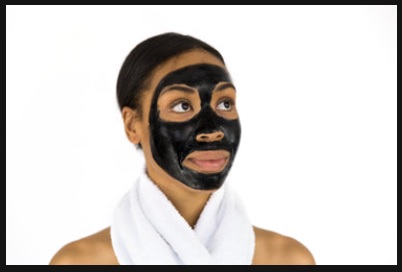
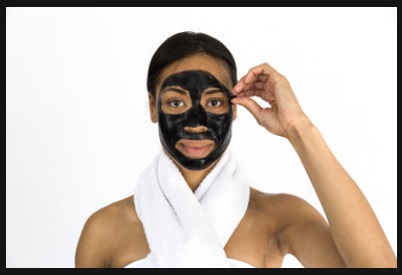
- Skin Care Masks
- Skincare Mud Masks
Hand Skincare
- Hand Care
- Hand Cream
- Hand Lotions
- Hand Moisturizers
- Hand Sanitizers
- Hand Skincare Tips
Lips Skincare
- Lip Balms
- Lip Care
- Lip Care Tips
- Lip Cosmetics
- Lip Gloss Makeup
- Lip Gloss Skincare
- Lip Moisturizer
- Lip Skincare
- Lip Sunblock
- Moisturizing Lipstick
- Sexy Lips
- Upper Lip Waxing
Moisturizers: Occlusives and Humectants
Moisturizer, or emollient, is a cosmetic preparation used for protecting, moisturizing and lubricating the skin. Moisturizers modify the rate of water loss, with the active ingredients of moisturizers falling into one of two categories: occlusives and humectants. In the human body, water constantly evaporates from the deeper layers of the skin through an effect known as transepidermal water loss (TEWL). By regulating its water content, human skin naturally maintains a dry, easily shed surface as a barrier against pathogens, dirt or damage, while protecting itself from drying out and becoming brittle and rigid. The ability to retain moisture depends on the lipid bilayer between the corneocytes. Occlusives form a coating on the surface of the skin, keeping moisture from escaping. Humectants absorb water. A special case worth its own guide is the tinted moisturizer, which adds a sheer hint of color to the moisturizer’s job.
Shaving Skincare
- After Shave Moisturizers
- After Shave Skincare
- Men’s Shaving Cream
- Shaving Cream
- Shaving Foams
- Shaving Gel
- Shaving Lotions
- Women’s Shaving Cream
Sun Skincare
Sun protection is an important aspect of skin care. Though the sun is beneficial in order for the human body to get its daily dose of vitamin D, unprotected excessive sunlight can cause extreme damage to the skin.
- After Sun Skincare
- Aloe Vera Skincare
- Bronzers Skincare
- Self Tanning Lotions
- Sun Block Lotion
- Sunburn Creams
- Sunburn Medicine
- Sunburn Remedies
- Sunburn Skincare
- Sunburn Treatments
- Sunscreen Lotions
- Sunscreen
- Sun Protection Skincare
- Tanning Products
- Waterproof Sun Lotion
- Waterproof Sun Protection
- Waterproof Sunblock
- Waterproof Sunscreens
What Is UV Radiation?
Of the many types of radiation emitted by the sun, mainly visible (light) and infrared (heat) reach the earth’s surface. Ultraviolet radiation (UVR) is also present, but we cannot see it or feel it. Ozone in the atmosphere absorbs much of the dangerous UVR before it reaches the ground, but we can still receive enough to cause sunburn and more serious health problems.
Why Is UV Radiation Dangerous?
Exposure to UVR can cause not only sunburn but also lasting skin damage. This may result in premature skin ageing and skin cancer. UVR can also cause eye disorders such as cataracts. Australians have the highest rate of skin cancer in the world: the country has high UVR levels and relatively clear skies, and poor use of sun protection measures during outdoor work and leisure means its mainly fair-skinned population has a high exposure to UVR. The risk of a person eventually developing skin cancer is related to the amount of UVR they are exposed to over their lifetime, particularly in childhood. This UV radiation information comes from the Australian Government’s radiation protection authority (ARPANSA). Learn more about UPF ratings and fabric to block UVR — and if you have kids, check out the retailers selling Children’s UV Protection Swimwear.
Please be careful in the sun. Make sure that you take care of your skin.
Photos


Common Questions
What does skin care include?
Skin care is the range of practices that support skin health, integrity and appearance and help relieve skin conditions. It can include nutrition, avoidance of excessive sun exposure and appropriate use of emollients, and the practices that enhance appearance include cosmetics, exfoliation, fillers, laser resurfacing, microdermabrasion, peels and retinol therapy.
What is the difference between occlusives and humectants in a moisturizer?
Moisturizers modify the rate of water loss from the skin, and their active ingredients fall into one of two categories. Occlusives form a coating on the surface of the skin, keeping moisture from escaping. Humectants absorb water. Both work against transepidermal water loss (TEWL), the constant evaporation of water from the deeper layers of the skin.
Why is sun protection part of skin care?
Unprotected excessive sunlight can cause extreme damage to the skin. Ultraviolet radiation can cause not only sunburn but lasting skin damage, which may result in premature skin ageing and skin cancer, and it can also cause eye disorders such as cataracts. The risk of eventually developing skin cancer is related to the amount of UV radiation a person is exposed to over their lifetime, particularly in childhood.