Children's Ear Muffs Guide
Children's ear muffs are a cold-weather accessory designed to cover a child's ears for warmth - and, in their heavier hearing-protection form, for protection from loud sound. The definition is exact: earmuffs consist of a thermoplastic or metal head-band that fits over the top or back of the head, and a pad at each end, to cover the external ears. Fashion ear muffs - the subject of this guide - put soft, insulated pads on that band so a child stays warm on cold days, and they keep children looking cute at the same time as staying warm. This guide explains what to look for, how the styles differ, how to size the band, and how to care for the pair so it lasts the winter.
Shop Children's Ear Muffs Now
Shop Children's Ear Muffs on Amazon Shop Children's Ear Muffs on eBayThe Amazon and eBay links on this page are affiliate links. If you make a purchase through them, Apparel Search may earn a commission.
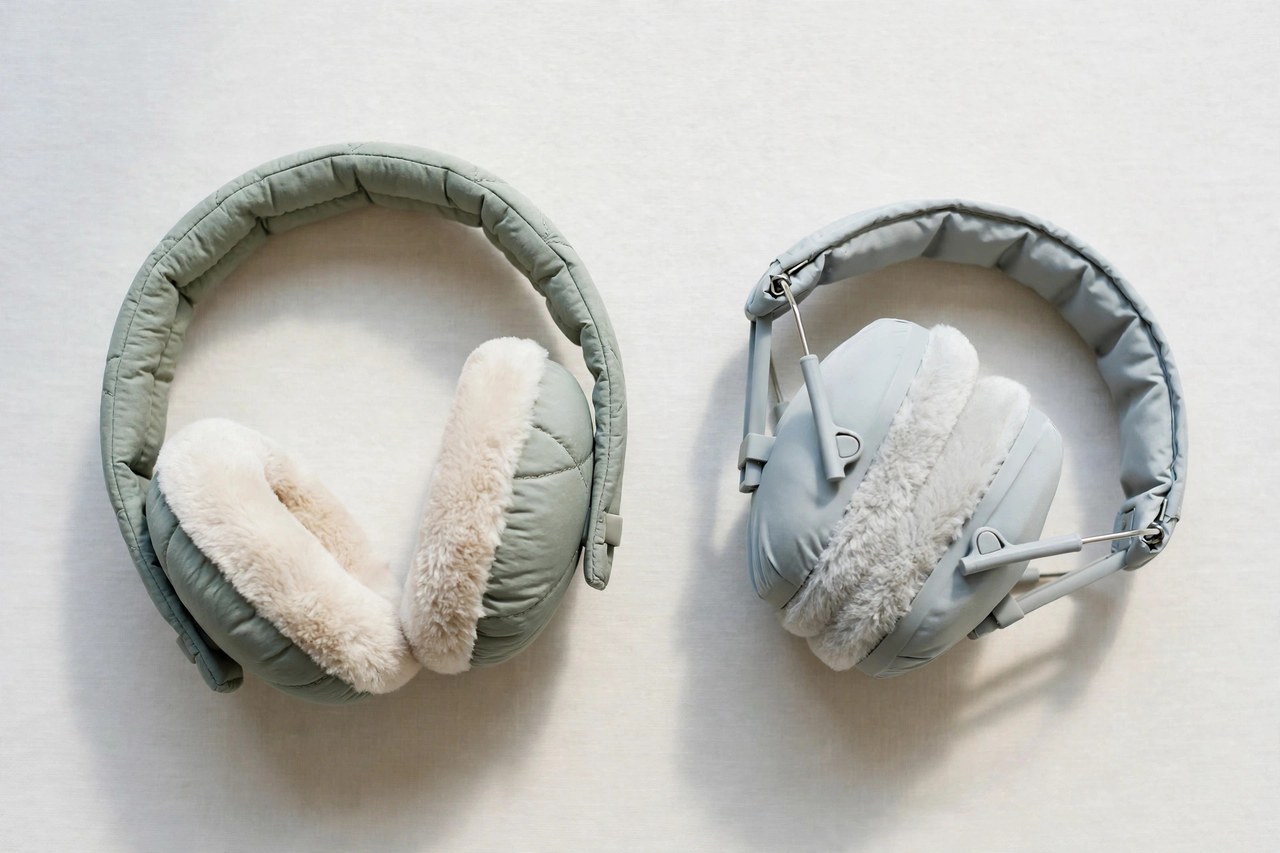
Children's ear muffs are a cold-weather accessory designed to cover a child's ears for warmth - and, in their heavier hearing-protection form, for protection from loud sound. The definition is exact: earmuffs consist of a thermoplastic or metal head-band that fits over the top or back of the head, and a pad at each end, to cover the external ears. Fashion ear muffs - the subject of this guide - put soft, insulated pads on that band so a child stays warm on cold days, and they keep children looking cute at the same time as staying warm. This guide explains what to look for, how the styles differ, how to size the band, and how to care for the pair so it lasts the winter.
Start with the job. Warmth ear muffs are a hat alternative: they cover the ears - the part of the head that chills first - while leaving the top of the head free, which suits children who overheat in hats, dislike having their hair flattened, or need their ears covered for a short, cold stretch of a journey rather than a whole day outdoors. Hearing-protection earmuffs are a different product in the same shape: sealed, foam-filled cups rated to reduce noise at fireworks, motorsport and concerts. The two look alike on a shelf and do different work, so decide which job you are buying before choosing colors.
Styles and Construction
The classic warmth style is the over-the-head band: a padded or fabric-covered band worn over the crown, with a cup at each end. Cups are usually a fleece, plush or faux-fur outer over foam or fiberfill padding, sometimes with a wind-resistant shell on the outside face. Band construction decides comfort more than cup softness does: a wide, lightly padded band spreads pressure, a thin hard band concentrates it, and a band with a little spring - the thermoplastic or metal core inside the covering - is what holds the cups gently against the head without clamping. Better pairs fold: the cups rotate or the band collapses so the pair fits a coat pocket or school bag, which is where ear muffs spend most of their lives.
The behind-the-head style moves the band to the back of the head, below the hairline, which suits children who wear their hair up, wear a helmet or hood over the top, or simply refuse anything over the crown. Wrap-around and ear-warmer headband styles blur into fleece headbands: a single wide fabric band covering both ears, with no rigid core - softer and easier to pack, less structured, and usually a little less warm at the ear itself. Novelty pairs add shaped or printed cups; treat the shape as decoration and judge the pair underneath it by the same rules - padding depth, band comfort, and whether the cups fully cover the child's ears.
Fit and Sizing
Ear muffs are sized loosely - toddler, child and older-child bands cover most ranges - but fit still decides whether the pair gets worn. The cups must cover the whole ear with padding to spare on every side; a cup that sits on the ear's edge lets cold air straight past and presses on the cartilage. The band should hold the cups in place when the child shakes their head, without squeezing: a pair that is too tight gives a headache within the hour and will be quietly removed, and a pair that is too loose slides down over a coat collar and does nothing. Check the fit over the hairstyle and hood the child actually wears, because a band that fits bare-headed can ride up badly over a thick hood.
For hearing-protection earmuffs, fit is also function: the cup seals must sit flat around the ears with no hair or glasses arms breaking the seal, and the rated protection only applies when they do. For warmth pairs, pairing matters as much as sizing: ear muffs plus a scarf and coat cover a short cold journey completely, while a full day of sledging or skiing calls for a hat or balaclava as well, because the crown and neck lose heat the muffs were never designed to cover. Buy the pair for the coldest ordinary use, not the single coldest day of the year.
Wearing and Care
Ear muffs live a hard life for a small accessory: they are stuffed into pockets and bags, dropped in slush, and pulled on and off by the cups. Spot-clean fleece and plush cups with a damp cloth and mild soap, and let the pair air-dry fully before it goes back in a bag, because damp padding stored sealed smells within days. Most fashion pairs are not machine washable - the band core and glued padding distort - so check the label before the first wash rather than after it. Store the pair folded if it folds, hung by the band if it does not, and out of the crushing bottom of a school bag either way.
Name-label the pair: identical fleece muffs accumulate in school lost-property boxes all winter, and the band's inside is the one surface a label survives on. Bought with cups that cover fully, a band that holds without squeezing, and a fabric that suits the child's coldest ordinary journey, a pair of ear muffs is one of the cheapest, most-worn pieces of winter kit a child owns. Bought by color alone, the same pair is abandoned by December - the difference is entirely in the fit, not in the fashion.
Common Questions
Ear muffs or a hat - which keeps a child warmer?
A hat, over a full cold day: it covers the crown as well as the ears. Ear muffs win for shorter cold stretches, for children who overheat or resist hats, and worn with a hood or scarf. They cover the ears - the part that chills and aches first - while leaving the top of the head free, so choose by the length and cold of the outing, not by which looks better.
How should children's ear muffs fit?
The cups should cover the whole ear with padding to spare on every side, and the band should hold them in place through a head shake without squeezing. Try the pair over the hairstyle and hood the child actually wears. Too tight means a headache and a removed pair; too loose means cold air past the cup's edge and no warmth at all.
Can children's ear muffs be washed?
Usually spot-clean only. Most fashion pairs have a rigid band core and glued or stitched padding that distort in a machine wash, so wipe fleece and plush cups with a damp cloth and mild soap, air-dry fully before storing, and check the care label on the specific pair before doing anything more than spot-cleaning.
More in Children's Clothes Guide E
The E letter hub and the guide closest to this one:
Looking for Children's Clothing Stores?
This guide helps you choose children's ear muffs. To browse where to buy, visit our children's clothing store directory, where you can find retailers that carry them.