Children's Girls Dance Clothes Guide
Dance clothes for girls are working garments first and pretty garments second. A class outfit has to stretch in every direction, stay in place through turns and floor work, and let an instructor see posture clearly, which is why the leotard remains the foundation of nearly every studio wardrobe. Around that base, dancers layer wrap skirts, shorts, tights and warm-up pieces that come off as the body warms, building a kit that suits ballet, jazz, tap, lyrical and hip-hop classes alike.
Shop Children's Girls Dance Clothes Now
Shop Children's Girls Dance Clothes on Amazon Shop Children's Girls Dance Clothes on eBayThe Amazon and eBay links on this page are affiliate links. If you make a purchase through them, Apparel Search may earn a commission.
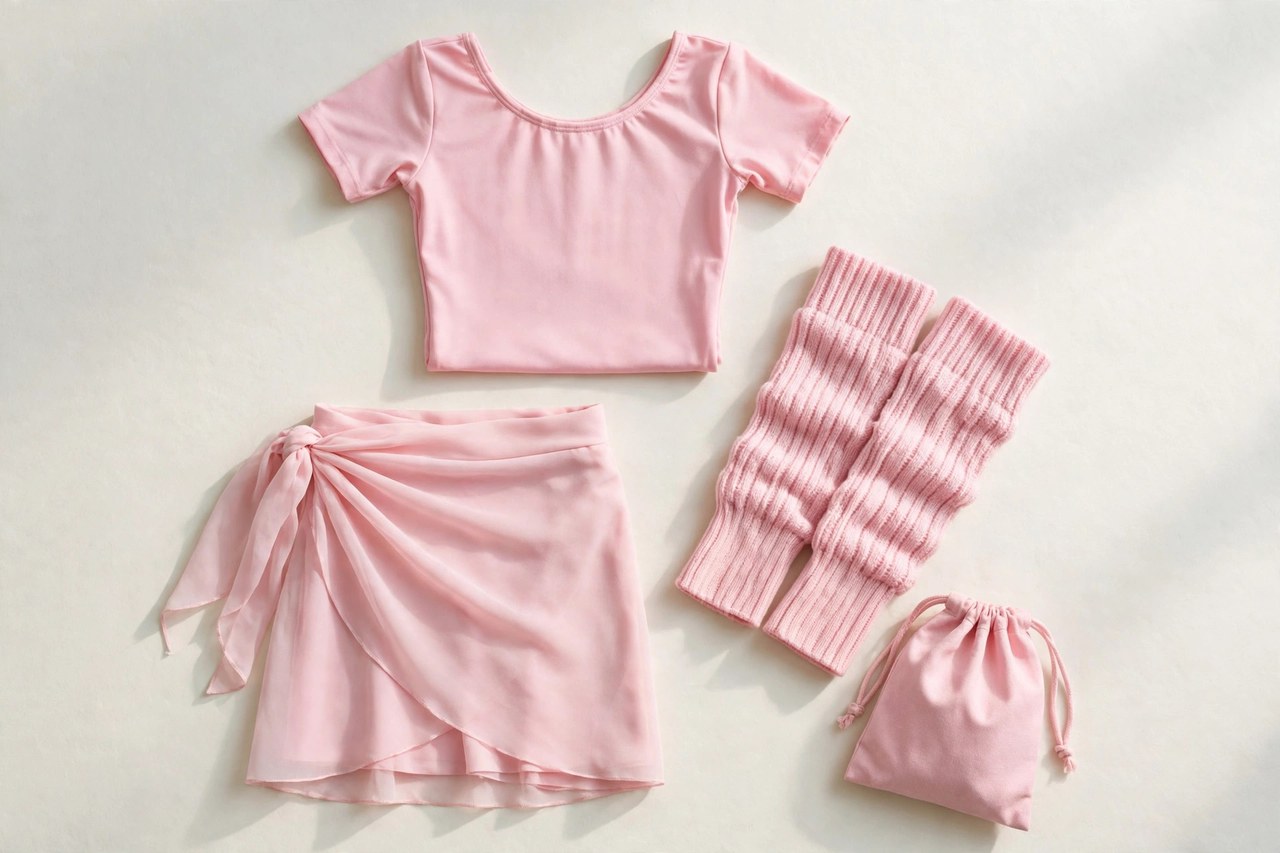
Dance clothes for girls are working garments first and pretty garments second. A class outfit has to stretch in every direction, stay in place through turns and floor work, and let an instructor see posture clearly, which is why the leotard remains the foundation of nearly every studio wardrobe. Around that base, dancers layer wrap skirts, shorts, tights and warm-up pieces that come off as the body warms, building a kit that suits ballet, jazz, tap, lyrical and hip-hop classes alike.
Shopping starts with the studio dress code, because many schools specify leotard color by level and require pink or skin-tone tights for ballet. Beyond color rules, the choices are about neckline, sleeve length, back design and fabric weight. Younger dancers usually need simple, sturdy pieces that survive weekly washing, while older students may add rehearsal skirts, unitards and character skirts for specific styles. Buying two class leotards in rotation spreads wear and solves the midweek laundry problem that catches many families out.
The Core Pieces for Class
The classic camisole leotard, with thin straps and a scoop or V front, is the most versatile starting point and works under skirts and shorts for several dance styles. Tank styles give more shoulder coverage and strap security for energetic classes, while short-sleeve and three-quarter-sleeve versions add warmth in cool studios. Long-sleeve leotards suit winter terms and some examination syllabi. Back designs range from plain scoops to cross straps and keyholes, but very open backs can slip during partner-free floor work, so check strap stability.
Convertible tights, with a small hole in the sole, let dancers switch between footed and footless wear for different classes on the same day. Wrap skirts in chiffon or georgette tie at the waist and show leg lines in ballet, while pull-on circular skirts sit flatter for younger children. Fitted dance shorts in matte stretch fabric are standard for jazz, acro and modern work, and unitards combine top and leggings in one piece that never comes untucked during lifts, rolls and inversions in contemporary routines.
Fabrics and Construction That Move
Most quality dancewear blends nylon or polyester with a generous share of elastane, often listed as spandex or Lycra, and that stretch content is what allows a garment to move without bagging at the knees or seat. Cotton-blend leotards feel soft and breathe well for short classes, yet they hold moisture and lose shape in long rehearsals, so synthetics dominate studio wear. Tactel and microfiber knits dry quickly between classes, and some fabrics add a brushed inner face that feels warmer against the skin.
Construction details separate durable dancewear from costume pieces. Look for a front lining or shelf support in the bodice, flat seams that will not chafe during repeated movements, and a leg elastic that grips without cutting in. Colorfast dyes matter because leotards are washed constantly; deep blacks and burgundy shades should be tested in cold water first. Sequin or foil-printed show pieces belong to performance rather than weekly class, since decorative finishes crack and shed under frequent laundering and abrasive studio floors.
Sizing, Fit and Care
Dance sizing follows its own logic and rarely matches everyday clothing sizes, so measure girth, the loop from shoulder down through the torso and back up, before ordering. Girth is the single most useful measurement for leotards because a garment that is long enough in the body will not pull at the shoulders or ride up. Between sizes, most fitters size up for growing children, but a leotard that wrinkles across the back is too loose to show clean lines or stay put.
A cross-back or double-strap design can also help younger dancers whose single straps tend to slide down during port de bras and floor stretches. Wash dance clothes in cold water on a gentle cycle, ideally inside a mesh bag, and hang them to dry away from direct heat, which degrades elastane faster than anything else. Skip fabric softener, since it coats stretch fibers and reduces both recovery and moisture management. Tights should be hand-washed or bagged separately from hook-and-loop fastenings that snag the knit. Inspect straps, elastic and seams at the start of each term; a quick repair extends the life of an otherwise sound and well-fitting piece considerably.
Common Questions
What should a first dance outfit include?
Start with the studio-approved leotard color, convertible tights, a wrap or pull-on skirt for ballet, fitted shorts for jazz or acro, and a spare leotard so laundry never cancels class.
Why does leotard sizing use girth?
Girth measures the full torso loop, so it predicts whether a leotard will pull at the shoulders or ride up far better than height or dress size alone.
How should dance clothes be washed?
Use cold water on a gentle cycle, keep pieces in a mesh bag, skip fabric softener, and hang everything dry because heat breaks down elastane.
More in Children's Clothes Guide G
The G letter hub and the guides closest to this one:
Looking for Children's Clothing Stores?
This guide helps you choose children's girls dance clothes. To browse where to buy, visit our children's clothing store directory, where you can find retailers that carry them.