Children's Girls Dance Shoes Guide
Each dance style asks something different from a shoe, and that is why a young dancer can own several pairs that look superficially similar yet behave nothing alike. Ballet slippers whisper across the floor and show the shape of the foot, tap shoes are percussion instruments, and jazz shoes grip and slide in measured balance. Buying the right construction for the class, rather than the prettiest pair on the shelf, protects both technique and feet during a full term of weekly lessons.
Shop Children's Girls Dance Shoes Now
Shop Children's Girls Dance Shoes on Amazon Shop Children's Girls Dance Shoes on eBayThe Amazon and eBay links on this page are affiliate links. If you make a purchase through them, Apparel Search may earn a commission.
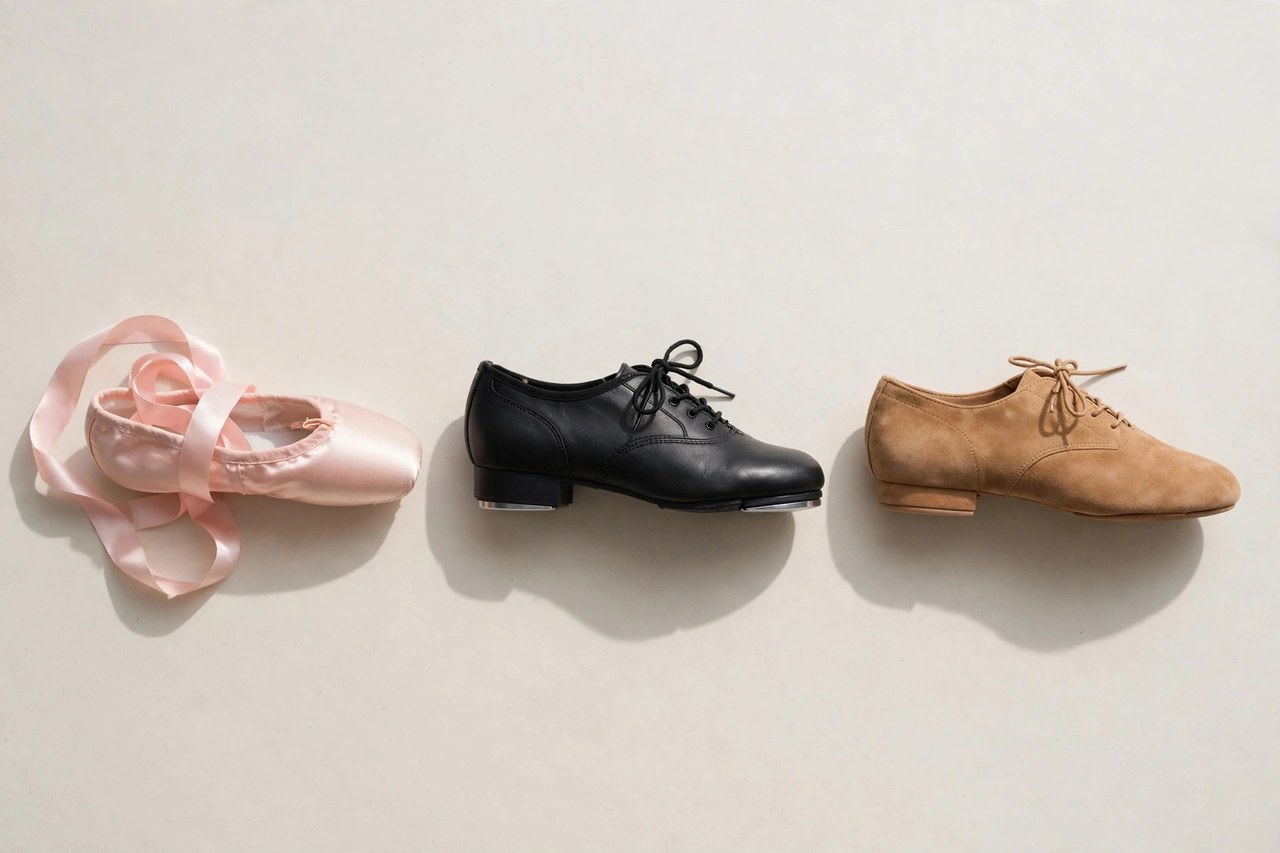
Each dance style asks something different from a shoe, and that is why a young dancer can own several pairs that look superficially similar yet behave nothing alike. Ballet slippers whisper across the floor and show the shape of the foot, tap shoes are percussion instruments, and jazz shoes grip and slide in measured balance. Buying the right construction for the class, rather than the prettiest pair on the shelf, protects both technique and feet during a full term of weekly lessons.
This guide stays with soft training and performance shoes for class use: ballet slippers, tap shoes, jazz shoes, character shoes and lyrical turners. Pointe shoes are a separate, teacher-gated category that requires an individual professional fitting and years of preparation, so they are deliberately outside a general buying guide. For every style below, the recurring themes are the same: match the sole to the floor work, choose uppers that can be maintained, and fit with the tights or socks the dancer actually wears in class.
Styles Matched to Each Dance Form
Ballet slippers come in leather, canvas and satin. Leather stretches and molds with wear and suits beginners who need durability, canvas hugs the arch closely and is popular for examinations and performances, and satin is mainly a performance finish. Split soles, with separate pads under the ball and heel, let the foot point fully and show the arch, while full soles build foot strength in younger beginners. Drawstrings have largely given way to pre-sewn elastic and binding that sits flat without bows.
Tap shoes carry aluminum or steel taps on toe and heel, screwed to a sound board, and the tone should ring clear when the plate edge is flicked. Beginners do well in low-heeled oxford or Mary Jane styles with a stable base, and the taps should sit flush so no screw head scratches the floor. Jazz shoes are low, flexible lace-ups or slip-ons with a small heel and a suede or rubber front sole that allows turns without sticking. Character shoes add a modest, stable heel for musical theatre work.
Soles, Uppers and Closure Systems
Suede sole patches are the pivot point of most jazz and lyrical shoes, because suede slides on sealed studio floors while rubber grips. Check that stitching around the sole pads is even, with no loose threads that will unravel under repeated spins. Leather uppers can be wiped and conditioned and usually outlast synthetic ones, though modern microfiber uppers wash more easily and cost less for fast-growing feet. In tap shoes, inspect the counters: a firm heel counter keeps the foot seated over the heel tap through fast rhythms.
Closures matter most for younger dancers changing shoes between back-to-back classes. Slip-on jazz shoes and elastic-strap tap shoes save minutes and frustration, while laces give the most adjustable fit for narrow heels. Ballet slippers arrive with elastics unsewn on some brands, and sewing them in a crossed pattern over the instep holds the heel better than a single loop. Whatever the closure, the shoe should feel secure without being tied painfully tight, since numb toes make balance and articulation harder, not better.
Fitting Dance Shoes and Making Them Last
Fit dance shoes snugly, closer than street shoes, because excess length trips dancers and hides the shape of a pointed foot. Toes should lie flat and just reach the end without curling, and the heel should not slip when rising onto the balls of the feet. Sizes vary sharply between brands and styles, and a tap shoe size rarely equals the same dancer in ballet slippers, so measure both feet and follow each maker size chart rather than assuming consistency across a whole order.
Dance shoes are indoor tools: wearing them across car parks and pavements destroys suede soles and dulls taps, so carry them in a bag and change at the studio. Air pairs out after class instead of sealing them damp in plastic, and rotate two pairs if a dancer trains on consecutive days. Brush suede soles with a wire suede brush to restore slide, check tap screws monthly for looseness, and replace slippers once the sole pad wears through or the big toe presses a hole in canvas.
Common Questions
Should dance shoes fit tighter than street shoes?
Yes. Dance shoes fit snugly with toes flat and just reaching the end, because spare length trips dancers and hides the shape of a pointed foot.
What is the difference between split and full soles?
A split sole has separate ball and heel pads so the foot can point fully, while a full sole offers more resistance and builds strength in beginners.
Why must dance shoes stay indoors?
Pavement grit ruins suede soles and dulls tap plates, so dance shoes should travel in a bag and only touch studio floors.
More in Children's Clothes Guide G
The G letter hub and the guides closest to this one:
Looking for Children's Clothing Stores?
This guide helps you choose children's girls dance shoes. To browse where to buy, visit our children's clothing store directory, where you can find retailers that carry them.