Children's Girls Sweaters Guide
Girls sweaters provide the warm middle layer that makes a wardrobe work across seasons, slipping over shirts on cool mornings and under coats when winter deepens. Pullovers deliver uninterrupted warmth and a clean front, cardigans open and close as temperatures swing during the school day, and lighter knit shells extend dresses and blouses into autumn without the bulk of a jacket. A sweater vest deserves a place in this lineup too, adding core warmth over shirts while leaving arms free, a combination that suits classrooms that swing between chilly and stuffy.
Shop Children's Girls Sweaters Now
Shop Children's Girls Sweaters on Amazon Shop Children's Girls Sweaters on eBayThe Amazon and eBay links on this page are affiliate links. If you make a purchase through them, Apparel Search may earn a commission.
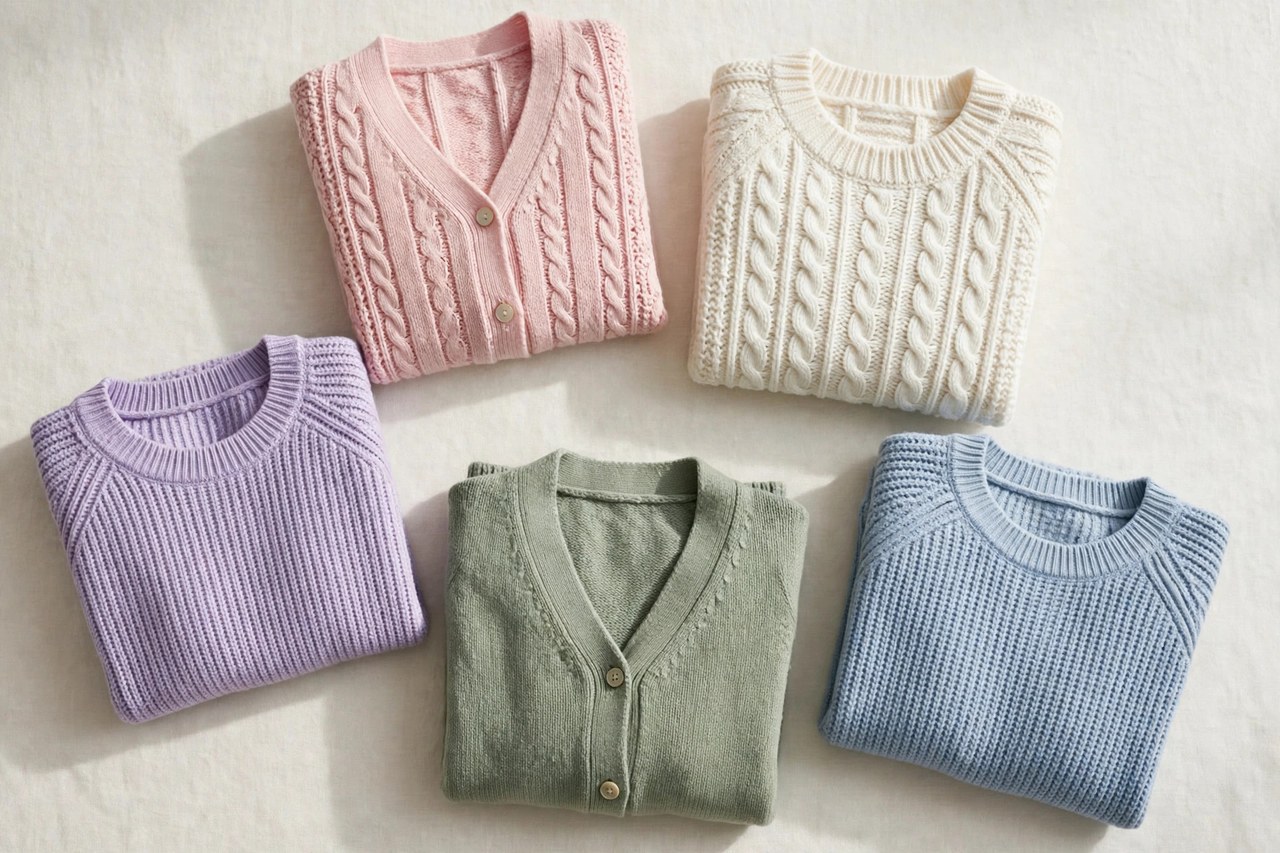
Girls sweaters provide the warm middle layer that makes a wardrobe work across seasons, slipping over shirts on cool mornings and under coats when winter deepens. Pullovers deliver uninterrupted warmth and a clean front, cardigans open and close as temperatures swing during the school day, and lighter knit shells extend dresses and blouses into autumn without the bulk of a jacket. A sweater vest deserves a place in this lineup too, adding core warmth over shirts while leaving arms free, a combination that suits classrooms that swing between chilly and stuffy.
A useful sweater collection balances weight as carefully as color. One chunky knit for genuinely cold days, one medium pullover for everyday layering, and one fine-gauge cardigan for dressier outfits will cover more situations than four nearly identical medium sweaters. Choose necklines with the layers underneath in mind, since a crew neck over a collared blouse behaves differently from a V-neck over the same shirt. When a favorite sweater exists in several colors, buying two shades that both match her core pants can carry the same proven fit through an entire term of school outfits.
Pullovers, Cardigans and Sweater Styles
Crew-neck pullovers are the most versatile shape, framing plain tees and collared shirts equally well and resisting stretching at the neckline. V-necks create room for ties, scarves, and blouse collars, while turtlenecks and mock necks seal the gap a coat leaves open at the throat. Shawl-collar and wrap styles bring a softer, dressier line that suits family gatherings and recitals. Boat necks and scoop necks widen the neckline picture beyond the standard trio, showing more of a collared shirt beneath and suiting girls who dislike anything close at the throat.
Cardigans divide into button-front classics, open-front draped styles, and zip-front knits that read almost like light jackets. Buttons allow partial fastening over a dress waist, whereas open fronts layer smoothly but offer less wind protection. Longer tunic-length sweaters pair with leggings for weekend comfort, though schools with dress codes may treat very long knits differently, so check length against any relevant rules before buying several. Holiday sweaters with seasonal motifs get heavy use for a few weeks and then none, so judge their cost against that short window rather than against everyday cardigan economics.
Yarns, Warmth and Texture
Cotton knits feel cool and smooth, making them the natural pick for spring and for girls who find wool itchy against the neck. Acrylic yarns lower cost, hold dye brightly, and wash easily, though dense acrylic can feel warmer than its weight suggests because it breathes less. Wool and wool blends supply the most warmth per ounce and resist odor, at the price of gentler washing requirements. Shoulder fit also decides whether a sweater can double under a fitted coat, because bulky set-in sleeves bunch inside narrow coat arms and make the whole outfit feel restrictive outside.
Texture changes both look and durability. Smooth stockinette shows every layer beneath it and suits fine-gauge dressier sweaters, cable knits add visual depth and slight extra thickness across the front, and ribbed knits stretch generously, forgiving growth between seasons. Fuzzy novelty yarns shed and pill faster than tightly spun yarns, so reserve them for occasional wear rather than the weekly school rotation. Yarn blends attempt to balance these trade-offs, pairing cotton coolness with acrylic resilience or wool warmth with nylon strength, so read the fiber label as a genuine performance summary.
Fit, Layering and Care
Fit a sweater over the thickest shirt it will realistically cover, checking that the shoulders end at the natural shoulder point and the cuffs reach the wrist without swallowing the hands. A body that fits now but has no ease will not survive a growth spurt layered over winter shirts. Cardigans should button without pulling gaps between fastenings when worn over a blouse, or they will spend their life hanging open.
Most sweaters keep their shape best folded, since hangers stretch wet or heavy knits at the shoulders. Wash according to the yarn: many cotton and acrylic knits tolerate a gentle machine cycle in a mesh bag, while wool usually prefers cool water and flat drying. Remove early pills with a fabric shaver rather than pulling them, store clean knits with cedar or lavender sachets, and mend a snagged loop promptly before it ladders across a row.
Common Questions
Which sweater style layers most flexibly?
A fine-gauge cardigan opens, closes, and adjusts through temperature swings while dressing up plainer outfits underneath.
Why do some sweaters pill quickly?
Loosely spun and fuzzy yarns shed surface fibers that mat into pills, especially under arms and backpack straps.
Should sweaters be hung or folded?
Fold them: hangers stretch knit shoulders, particularly when the sweater is heavy or still damp.
More in Children's Clothes Guide G
The G letter hub and the guides closest to this one:
Looking for Children's Clothing Stores?
This guide helps you choose children's girls sweaters. To browse where to buy, visit our children's clothing store directory, where you can find retailers that carry them.