Children's Outerwear Guide
Children's outerwear is the whole weather-facing system - coats, jackets, rain gear, snowsuits and the hats and gloves that seal the gaps - and this K guide is its overview, linking to the letter's own coat and jacket guides, the category's core. Outerwear is the most technical and most expensive part of a child's wardrobe, and the part where buying once, correctly, saves the most money, because a failed coat is discovered in the worst weather of the year.
Shop Children's Outerwear Now
Shop Children's Outerwear on Amazon Shop Children's Outerwear on eBayThe Amazon and eBay links on this page are affiliate links. If you make a purchase through them, Apparel Search may earn a commission.
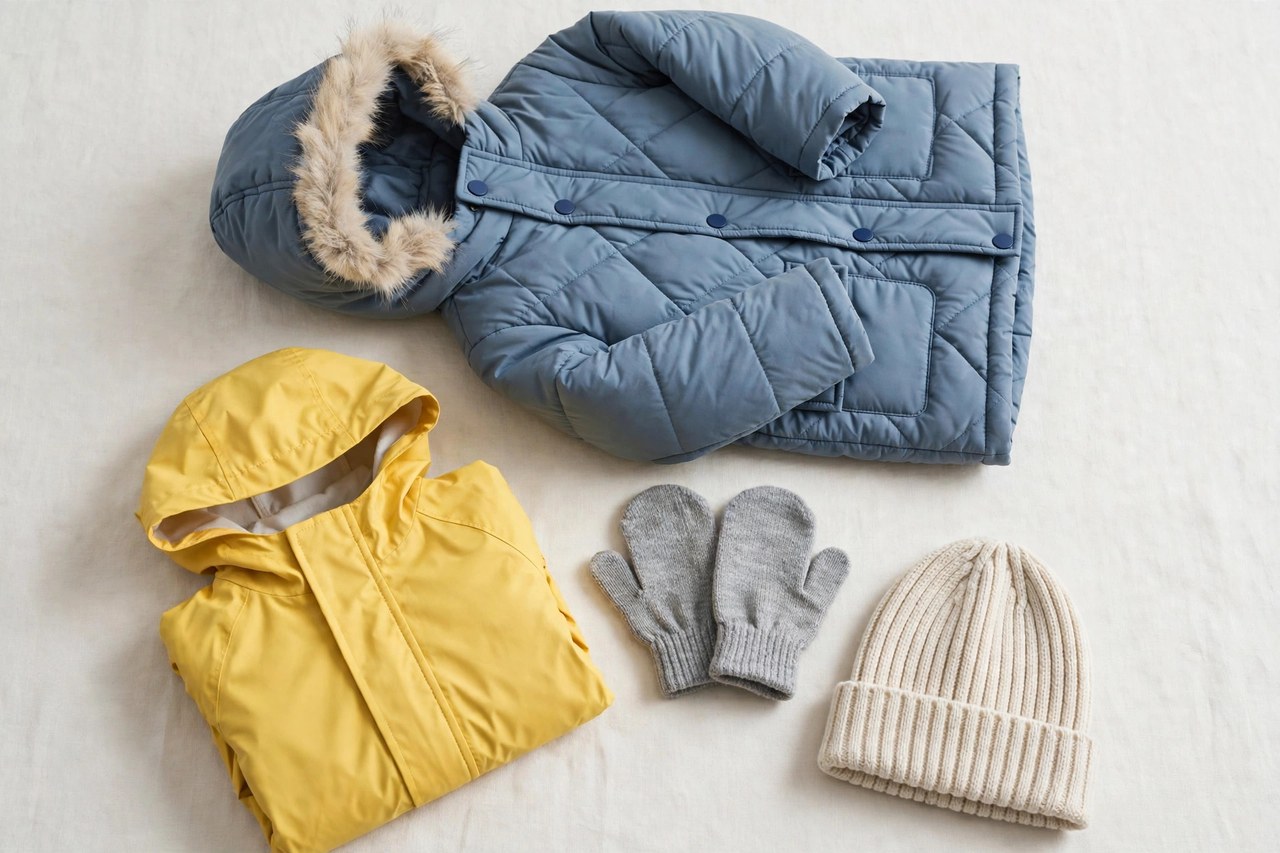
Children's outerwear is the whole weather-facing system - coats, jackets, rain gear, snowsuits and the hats and gloves that seal the gaps - and this K guide is its overview, linking to the letter's own coat and jacket guides, the category's core. Outerwear is the most technical and most expensive part of a child's wardrobe, and the part where buying once, correctly, saves the most money, because a failed coat is discovered in the worst weather of the year.
Think in systems rather than garments. Warmth comes from layers - a base, an insulating mid-layer like fleece or knitwear, and a shell that stops wind and water - and the outerwear purchase should be planned against the climate the child actually lives in and the activities they actually do: a playground winter, a ski holiday and a rainy school run are three different specifications wearing the same word.
The Outerwear Family
Coats carry sustained cold: padded, parka and wool styles detailed in the coats guide. Jackets carry the in-between seasons: shells, fleeces and softshells detailed in the jackets guide. Dedicated rain gear - waterproof jackets, trousers and all-in-one suits - matters more than parents expect for younger children, for whom a wet playground is an activity, not an accident. Snow gear adds insulated, sealed construction for children who will be in snow for hours rather than minutes.
The accessories are part of the system, not extras: most of a child's heat loss outdoors is prevented at the head, hands and neck, and the best coat underperforms with bare ears and wet gloves. Buy outerwear as a set mentally - coat plus hat plus gloves plus footwear that matches the same weather - and check the interfaces: cuffs over glove tops or under them, hood over hat, coat hem over trouser tops.
Weatherproofing and Warmth, Honestly
Waterproof claims come in grades. Water-resistant finishes shed light rain and fail in sustained wet; taped-seam, membrane waterproofs keep a child dry through a school day of rain. Breathability matters in proportion to activity - a highly active child in a non-breathable shell arrives damp from the inside instead. Temperature ratings on children's coats are unstandardized marketing, so judge warmth by fill type, weight in the hand, coverage length and how the coat layers over your child's normal winter clothes.
Windproofing is the underrated half: a windproof shell over a fleece often outperforms a thicker, wind-permeable coat in real playground conditions. Whatever the specification, test the closures - zips, storm flaps, cuff seals - because weather enters through openings, not through fabric, in most real failures.
Fit, Layering and Value
Fit outerwear over its intended layers, with movement tests: arms raised, sitting, bending, a pretend climb. Hoods must preserve side vision; sleeves must keep wrists covered with arms forward; hems must cover the seat for cold standing-around. Build in modest growing room in length, not in closures and cuffs, where excess becomes a weather gap.
Value in outerwear is cost per winter, and the levers are timing and durability: end-of-season buying for next year works if you predict size conservatively - with adjustable cuffs and hems hedging the bet - and quality outerwear passes between siblings at a rate no other category matches. Store it clean, dry and repaired, with a note of its size, and each autumn starts with an audit instead of an emergency.
Common Questions
What is the difference between water-resistant and waterproof children's outerwear?
Water-resistant finishes shed light, brief rain and then soak through. True waterproof construction - a membrane plus sealed or taped seams - keeps a child dry through sustained rain. For school days and wet climates, look for taped seams and a membrane, not just a coating.
How should children's outerwear be layered?
A base layer for comfort, an insulating mid-layer such as fleece or knitwear for warmth, and a windproof, waterproof shell outside. Layers trap warm air, adapt to changing weather through the day, and usually outperform one very thick garment.
Is it worth buying children's outerwear ahead in sales?
Often, yes - outerwear is the best category for end-of-season buying because quality pieces pass between siblings and adjustable cuffs and hems hedge the sizing guess. Predict size conservatively from the child's growth pattern and check fit again before the season starts.
More in Children's Clothes Guide K
The K letter hub and the guides closest to this one:
More to Explore on Apparel Search
Looking for Children's Clothing Stores?
This guide helps you choose children's outerwear. To browse where to buy, visit our children's clothing store directory, where you can find retailers that carry them.