Children's Hats Guide
Children's hats do two opposite jobs across the year - keeping heat in during winter and keeping sun off during summer - plus a third job all year: finishing outfits from school uniforms to party clothes. This K guide is the kids overview of the category; its knit-hat specialist page sits in this same letter, and gloves, the hat's winter partner, are linked from this page as well. Choosing well starts with the job, because a hat bought for warmth and a hat bought for shade share almost no construction.
Shop Children's Hats Now
Shop Children's Hats on Amazon Shop Children's Hats on eBayThe Amazon and eBay links on this page are affiliate links. If you make a purchase through them, Apparel Search may earn a commission.
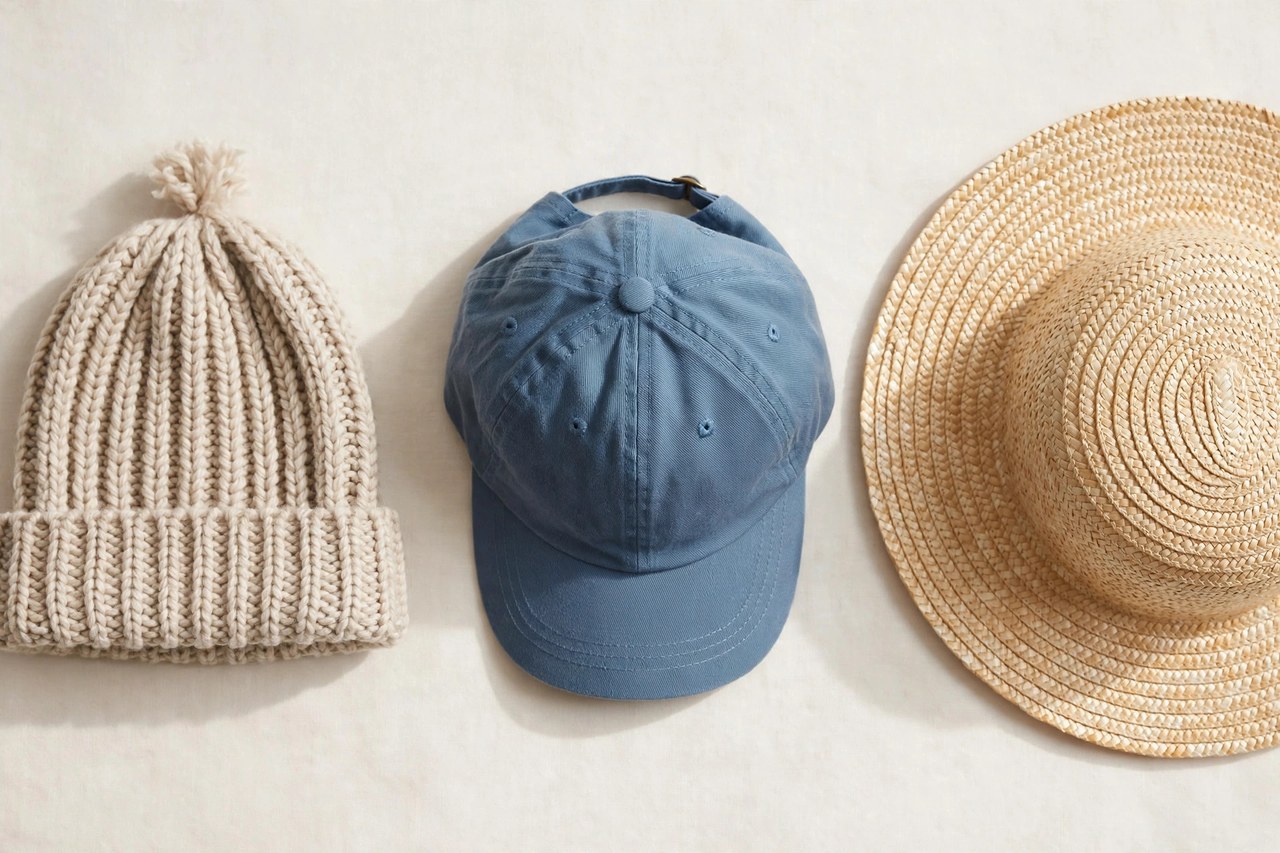
Children's hats do two opposite jobs across the year - keeping heat in during winter and keeping sun off during summer - plus a third job all year: finishing outfits from school uniforms to party clothes. This K guide is the kids overview of the category; its knit-hat specialist page sits in this same letter, and gloves, the hat's winter partner, are linked from this page as well. Choosing well starts with the job, because a hat bought for warmth and a hat bought for shade share almost no construction.
Children lose hats at a rate second only to gloves, and resist wearing hats that itch, squeeze or flop into their eyes. Those two facts shape every recommendation here: prioritize comfort features a child will tolerate for hours, secure fits that stay on without being tight, and - for school hats - names written inside from day one.
Winter Hats and Summer Hats
Winter hats are knitted or fleece beanies, trapper hats with ear flaps for serious cold, and balaclava-style hats for the youngest children. A double layer over the ears, a fit that covers the ears fully without covering the eyes, and a fabric without scratch - fleece-lined knits solve the itch complaint that defeats most wool hats - are the features that decide whether the hat stays on. Ear-flap styles with a chin tie are the reliable choice for toddlers, who remove loose hats as a hobby.
Summer hats are wide-brim sun hats, legionnaire caps with a neck flap, and baseball caps. Brim width and neck coverage matter more than the UPF label alone, though rated fabrics help; a chin strap or an elasticated back keeps the hat on in wind and on playground equipment. Caps shade eyes but leave ears and neck exposed, so they suit shorter outings better than long beach days for fair-skinned children.
Fit and Sizing
Hats are sized by head circumference: measure around the forehead just above the ears and match the maker's chart, because age labels vary even more than in clothing. A winter hat should sit snugly enough to stay put when the child shakes their head, without leaving a pressure mark; a summer hat should be secure against wind but never tight, since a headache guarantees removal. Adjustable features - drawcords, toggles, elastic backs, size tapes - stretch the useful life across growth.
Check vision and hearing with the hat on: brims and flaps must not block side vision for cycling and road crossing, and ear coverings should muffle as little as possible for school-age children outdoors. For babies and toddlers, follow the safety guidance for the age group - soft, breathable fabrics, no loose cords beyond the maker's design, and shade hats that fasten gently under the chin.
Care and Buying Strategy
Most children's hats wash gently and dry flat; knitted hats reshape best dried on a towel, and sun hats with structured brims prefer a hand wash to keep the brim's line. Buy the school and everyday hats in duplicate when a style is accepted - a tolerated hat is a rare and valuable thing, and its loss is certain enough to plan for. Keep winter hats stored with the gloves they go with, clipped or bagged as a set.
The buying test that predicts success is simple: put the hat on the child and wait five minutes in the shop or at home. Hats that survive five distracted minutes without being touched will survive the school day; hats adjusted three times in the first minute will live in the lost-property box. Comfort first, coverage second, looks third - in that order, children's hats actually get worn.
Common Questions
How do I measure a child for a hat?
Measure head circumference with a soft tape around the forehead, just above the ears and eyebrows, and match that number to the maker's chart. Age labels vary too much between brands to trust on their own.
What is the best sun hat style for children?
A wide-brim hat or a legionnaire cap with a neck flap, in a UPF-rated fabric, with a chin strap or secure elastic back. Both shade the ears and neck that a baseball cap leaves exposed, which is where children burn most on long days outdoors.
Why does my child refuse winter hats?
Usually itch, squeeze or overheating. Try a fleece-lined knit or a soft fleece hat that covers the ears without wool next to the skin, check the fit is snug rather than tight, and let the child choose between two acceptable styles - a chosen hat is worn far more willingly.
More in Children's Clothes Guide K
The K letter hub and the guides closest to this one:
Looking for Children's Clothing Stores?
This guide helps you choose children's hats. To browse where to buy, visit our children's clothing store directory, where you can find retailers that carry them.