Children's Knit Hats Guide
Children's knit hats are knitted winter hats - beanies, watch caps, pom-pom hats and ear-flap styles - whose warmth comes from the knitted structure itself: thousands of loops trapping air against the head. This page is the K letter's specialist companion to the general hats guide, and it links to the knitwear guide as well. A knit hat is usually the cheapest warmth in a child's entire wardrobe and the most frequently replaced - lost, outgrown or refused for itching - so buying it well is a small exercise with outsized winter returns.
Shop Children's Knit Hats Now
Shop Children's Knit Hats on Amazon Shop Children's Knit Hats on eBayThe Amazon and eBay links on this page are affiliate links. If you make a purchase through them, Apparel Search may earn a commission.
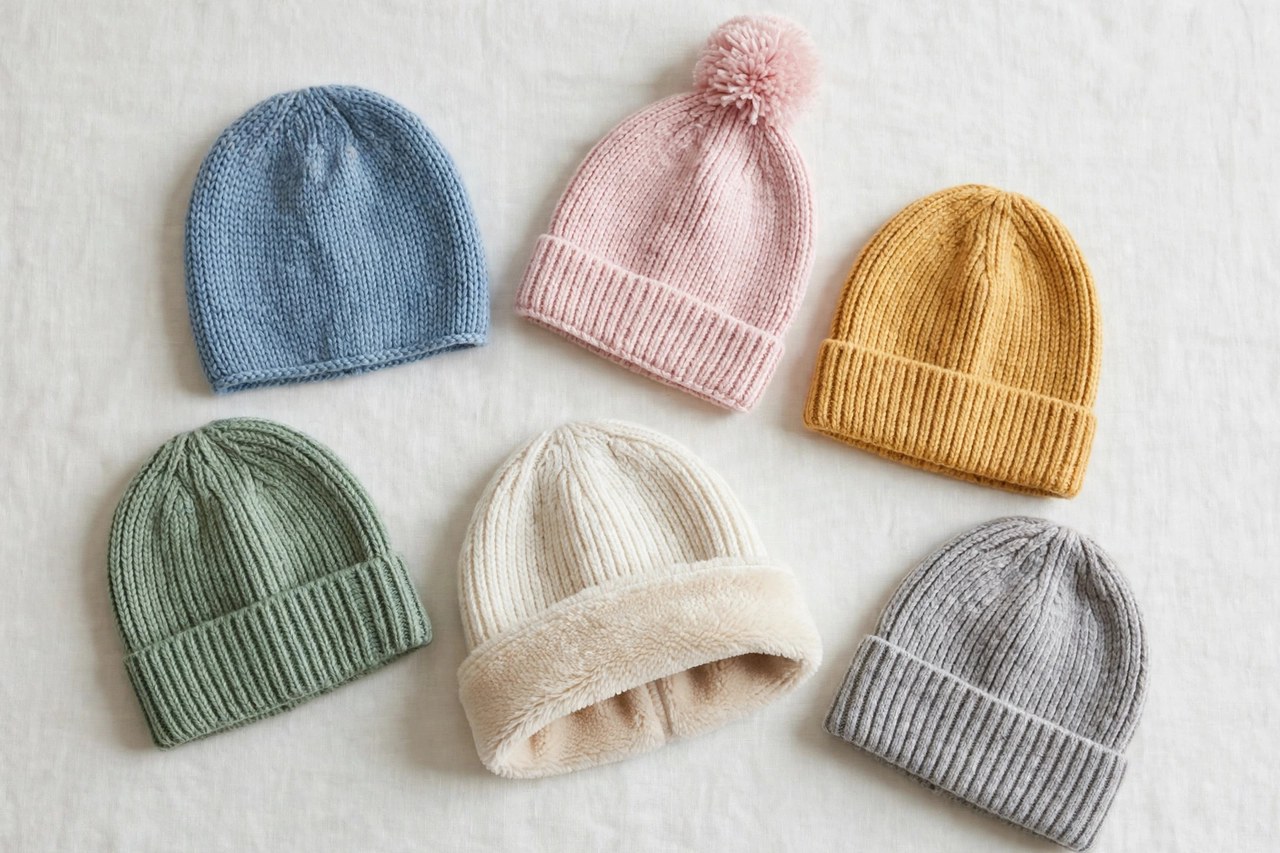
Children's knit hats are knitted winter hats - beanies, watch caps, pom-pom hats and ear-flap styles - whose warmth comes from the knitted structure itself: thousands of loops trapping air against the head. This page is the K letter's specialist companion to the general hats guide, and it links to the knitwear guide as well. A knit hat is usually the cheapest warmth in a child's entire wardrobe and the most frequently replaced - lost, outgrown or refused for itching - so buying it well is a small exercise with outsized winter returns.
The category divides by yarn and by lining, and those two variables decide almost everything: acrylic knits are cheap, bright and washable; wool knits are warmer and regulate temperature but can itch and need gentler care; blends split the difference; and a fleece band or full fleece lining inside any of them transforms comfort for sensitive children - the single most effective upgrade in the category.
Styles Within the Knit Family
The beanie or watch cap is the standard: a close knitted cap with a turn-up brim that adjusts coverage and fit as it is folded. Pom-pom hats add the classic top detail children love and parents use to spot their child across a playground. Ear-flap and Peruvian-style hats extend knitted coverage over the ears and sometimes under the chin with ties - the warmest and most secure option for toddlers and very cold climates. Slouch styles suit older children who reject anything that looks like a little kid's hat.
Ribbed knits stretch and grip best, making them the shape that stays on without ties; fine plain knits look smarter and layer under hoods more smoothly. Double-layer construction over the ears - often a folded brim achieves it automatically - is worth seeking, because ears are the part children complain about first and the part a single thin layer protects least.
Fit, Itch and Staying On
A knit hat should cover the ears fully, sit above the eyebrows without covering them, and stay put through a head shake without leaving a pressure mark. Knits relax with wear, so a new hat should fit snugly rather than loose - within a few wears it will ease to the head. For children who tear hats off, diagnose before replacing: itch points to fibre or an unlined interior; slipping points to a stretched or wrong-size rib; overheating points to a hat too warm for the actual weather, common with thick hats on mild days.
Chin ties and ear flaps solve staying-on for the youngest children; for school-age children, the solution is comfort and ownership - a hat the child chose, that does not itch, gets worn. Keep the school knit hat named inside the brim, and keep a spare of any accepted style, because the lost-property cycle for knit hats runs on a weekly loop all winter.
Care and Yarn Honesty
Acrylic and blend knit hats machine wash gently and keep their shape; wool needs a cool gentle wash and flat drying to avoid felting and shrinking. All knit hats store best unrolled or loosely folded in summer - a hat stored stretched over something arrives in October permanently widened. Check the stretch recovery at purchase: stretch the rib and let go; a good knit snaps back, a tired one stays where it was pulled.
Bought with a fleece lining for comfort, a rib that grips, ears fully covered and a duplicate for the inevitable loss, a children's knit hat is quite possibly the best value-for-warmth purchase in the whole K letter - small, cheap and worn a hundred times a winter.
Common Questions
How do I stop a knit hat itching my child?
Choose a fleece-lined or fleece-band knit hat, or a soft acrylic or cotton-blend knit instead of pure wool next to the skin. The lining is the single most effective fix - most hat refusal is itch, not defiance.
How should a children's knit hat fit?
Snug when new, covering the ears fully and sitting above the eyebrows, staying put through a head shake. Knits relax with wear, so a hat that starts loose will end up slipping over the eyes.
Beanie or ear-flap hat for a toddler?
Ear-flap styles with ties, for warmth and because they stay on. Toddlers remove loose hats constantly; flaps cover the ears properly and ties keep the hat in place without being tight.
More in Children's Clothes Guide K
The K letter hub and the guides closest to this one:
Looking for Children's Clothing Stores?
This guide helps you choose children's knit hats. To browse where to buy, visit our children's clothing store directory, where you can find retailers that carry them.