Children's Sunglasses Guide
Children's sunglasses are protective eyewear first and a fashion accessory second: children's eyes let more light reach the retina than adult eyes, and outdoor childhoods accumulate sun exposure early, so a proper pair is a piece of safety equipment in the same family as the sun hat in this letter. The trap in this category is the toy pair - dark lenses without UV protection - which is worse than no sunglasses at all.
Shop Children's Sunglasses Now
Shop Children's Sunglasses on Amazon Shop Children's Sunglasses on eBayThe Amazon and eBay links on this page are affiliate links. If you make a purchase through them, Apparel Search may earn a commission.
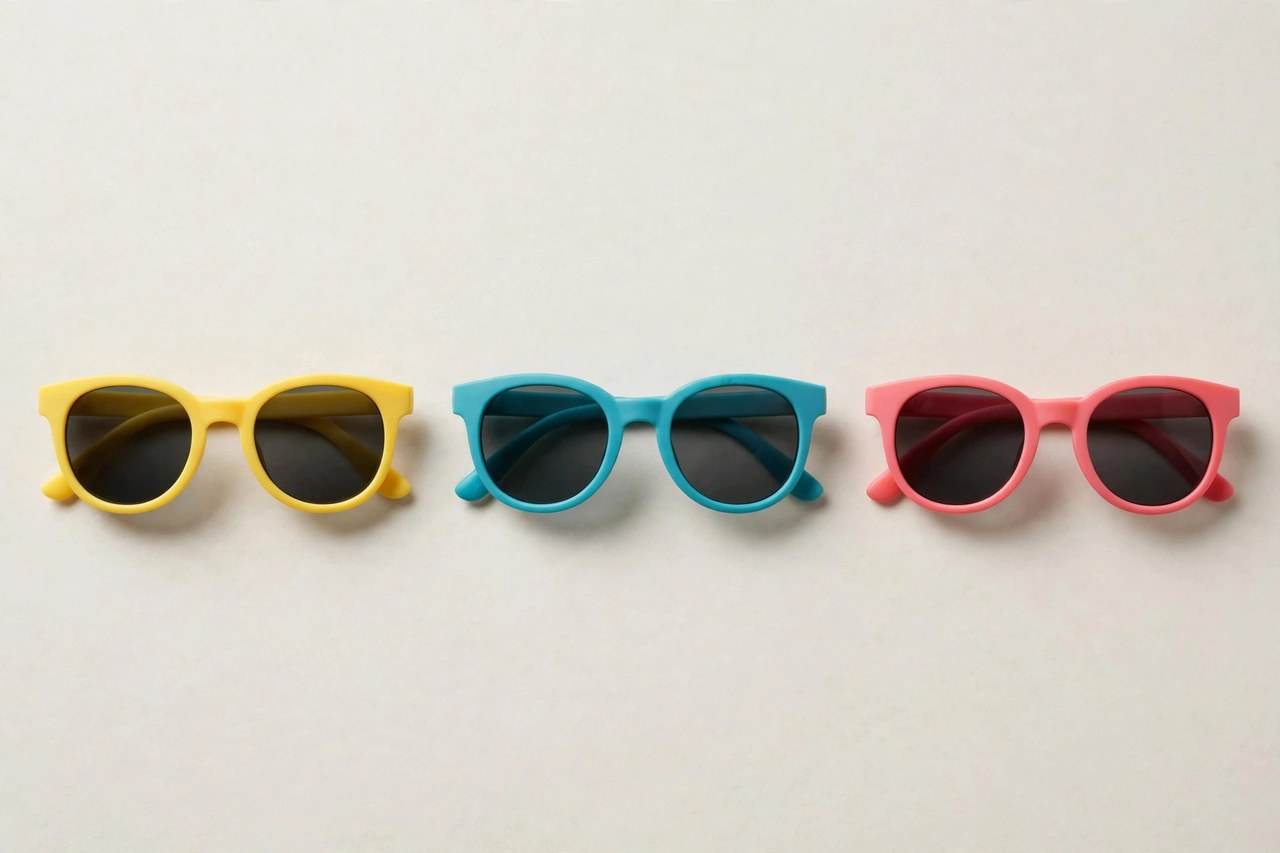
Children's sunglasses are protective eyewear first and a fashion accessory second: children's eyes let more light reach the retina than adult eyes, and outdoor childhoods accumulate sun exposure early, so a proper pair is a piece of safety equipment in the same family as the sun hat in this letter. See the main children's sunglass guide in the S letter and the accessories retail directory for more detail. The trap in this category is the toy pair - dark lenses without UV protection - which is worse than no sunglasses at all.
That point deserves emphasis because it reverses most buyers' instincts: a dark lens makes the pupil open wider; if the lens does not block ultraviolet, more UV reaches the eye than it would with no glasses and a naturally narrowed pupil. So the first and non-negotiable check is the protection standard, and everything else - flexibility, fit, style - queues behind it.
Protection Standards and Lenses
Buy sunglasses marked UV400 or as blocking 100 percent of UVA and UVB, ideally with the applicable safety standard marking for your region. Lens darkness and category are about glare, not UV: a category 3 lens suits bright sun and the beach; darker is not more protective. Polarized lenses cut glare from water, sand and car windscreens and help children who squint despite ordinary sunglasses, at a modest price premium that is worth it for holidays and snow.
Lens material for children should be impact-resistant polycarbonate or similar, never glass. Scratch-resistant coatings extend useful life, because a scratched lens gets rejected by the wearer. Mirrored and colored lenses are fine as long as the UV specification is genuine - check the standard marking, not the look, and buy from sellers who state the standard rather than just 'UV protection' in decorative type.
Frames, Fit and Staying On
Children's frames should be flexible - bendable frames in modern rubberized plastics survive being sat on, twisted and stuffed into bags at rates rigid frames cannot. Fit: the frame should sit level without pressing the temples, the bridge should rest without sliding down the nose, and the lenses should cover the eye area fully, including from above. Wraparound shapes protect best at the beach and in snow, where light reflects from every side.
Retention solves the loss problem: a soft strap or retainer for toddlers and active children, arms that grip gently behind the ears, and a hard or soft case that lives in the school or beach bag. For children who wear prescription glasses, ask about prescription sunglasses or clip-ons rather than layering toy pairs over their glasses - the optician route protects the eyes they actually see through.
Care and Buying Rhythm
Sunglasses die by abrasion: teach the case habit early, clean lenses with a microfiber cloth rather than clothing - gritty t-shirt corners are sandpaper - and store them in the case, not loose in the bag with keys and shells. Rinse salt and sand off after beach days before wiping, so the grit leaves before the cloth moves it across the lens.
Expect to replace children's sunglasses on the lost-and-grown rhythm of all small accessories, which is an argument for buying a sound, standards-marked pair at a sane price rather than either extreme: not the unmarked toy pair, and not a designer pair whose loss would sting for a week. Protection standard first, flexibility second, fit third - in that order, children's sunglasses genuinely protect.
Common Questions
Are dark toy sunglasses harmful for children?
They can be worse than nothing: a dark lens without UV filtering lets the pupil open wider while ultraviolet passes through, increasing UV exposure. Buy only pairs marked UV400 or 100 percent UVA/UVB blocking with a recognized standard marking.
What lens category do children need?
Category 3 is the general-purpose choice for bright sun, beach and holidays. The category number describes darkness and glare reduction, not UV protection - a light-colored lens with a UV400 rating protects against UV as fully as a dark one.
How do I keep sunglasses on a young child?
Choose flexible frames that fit the bridge without sliding, add a soft retainer strap for toddlers and active play, and build the case habit early - most losses happen when sunglasses come off and are put down rather than stored.
More in Children's Clothes Guide K
The K letter hub and the guides closest to this one:
More to Explore on Apparel Search
Looking for Children's Clothing Stores?
This guide helps you choose children's sunglasses. To browse where to buy, visit our children's clothing store directory, where you can find retailers that carry them.