Prom Dress Guide
A prom dress is the formal dress worn to a prom. The prom is a semi-formal (black tie) dance or gathering of high school students, typically held near the end of the senior year, the last year of high school. High school juniors attending may call it junior prom, while seniors call it senior prom or senior ball. This guide covers the dress as a garment: its styles and fabrics, how formal dresses are sized and altered, and how to buy one calmly, product-focused from start to finish.
Shop Prom Dress Now
Shop Prom Dress on Amazon Shop Prom Dress on eBayThe Amazon and eBay links on this page are affiliate links. If you make a purchase through them, Apparel Search may earn a commission.
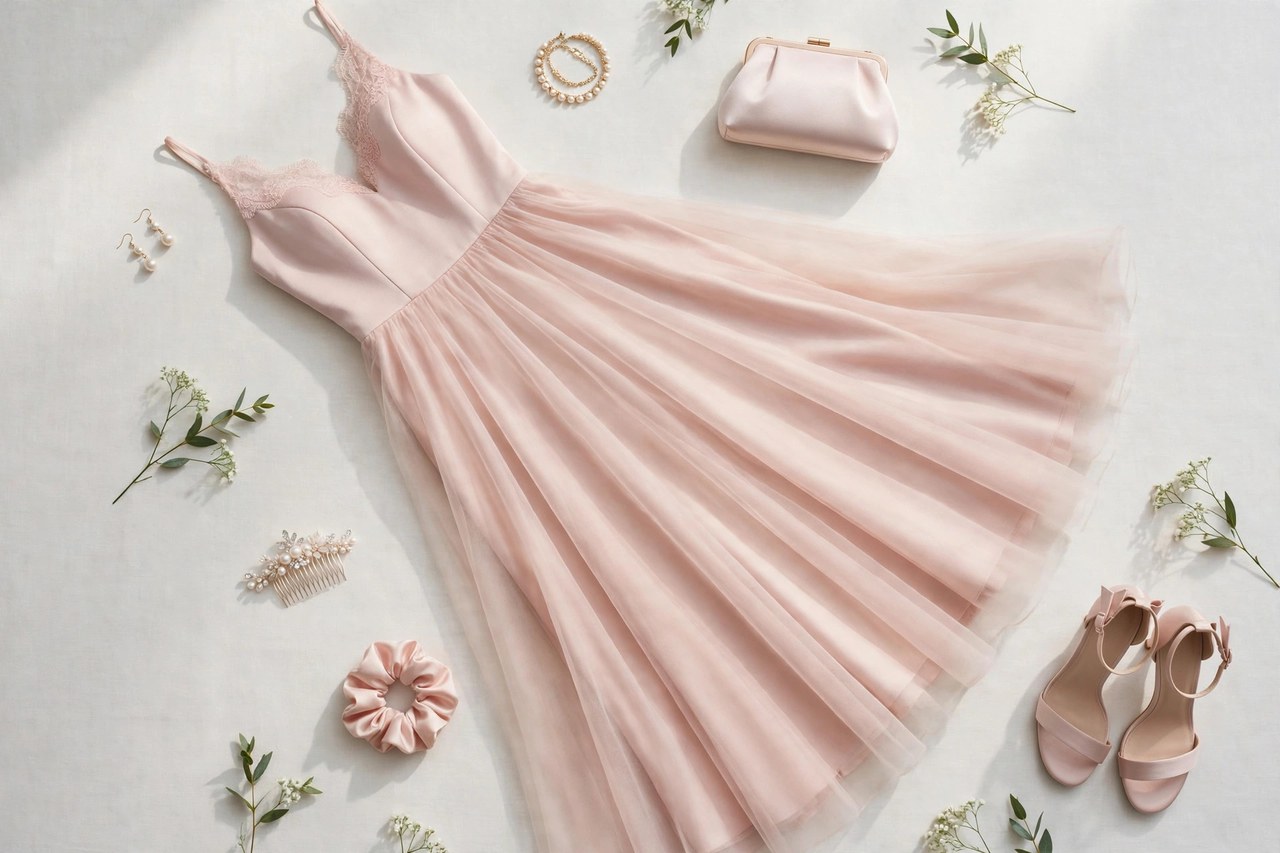
A prom dress is the formal dress worn to a prom. The prom is a semi-formal (black tie) dance or gathering of high school students, typically held near the end of the senior year, the last year of high school. High school juniors attending may call it junior prom, while seniors call it senior prom or senior ball. This guide covers the dress as a garment: its styles and fabrics, how formal dresses are sized and altered, and how to buy one calmly, product-focused from start to finish.
Because the prom sits at the end of the school year, its dress is usually bought months ahead, under deadline, for a single important evening. That combination - one wear that matters, a fixed date, a growing teenager - is exactly why this category rewards the methodical approach in this guide over the emotional one in the shop: measurements first, alterations budgeted, and the calendar worked backwards from the night itself.
Dress Styles and Fabrics
Prom dress silhouettes fall into a few families. A-line dresses flare gently from the waist and suit the widest range of wearers, which is why they dominate the rails; fitted sheath and mermaid styles follow the body's line closely and need the most precise fit; ballgown styles pair a fitted bodice with a full skirt for the most formal reading of the night; and shorter formal dresses offer an easier, lighter alternative some schools and juniors prefer. Necklines, straps and sleeves vary within every family, and the school's own dress code - most schools publish one for prom - is the first document to check before falling for any style.
Fabrics decide how a dress moves, photographs and survives an evening of dancing. Chiffon and tulle give soft, floating skirts; satin gives a smooth, formal sheen and shows every fit detail, good and bad; sequinned and embellished fabrics carry their own sparkle and need gentle handling at every seam; crepe and jersey-formal fabrics offer more give and comfort through a long night. Lining matters as much as the outer fabric - a properly lined dress sits better, feels better and keeps its shape, while an unlined formal dress is hard work to wear.
Sizing, Fitting and Alterations
Formal dresses are not sized like everyday clothes: prom and formal sizing runs smaller and less forgiving than high-street sizing, and the only reliable route is the maker's size chart against real measurements - bust, waist, hip and height, taken over the undergarments the dress will actually be worn with, and with the shoe height the wearer plans. Between sizes, the standing formalwear rule is to buy the larger size and alter down: a dress can be taken in at seams, but there is rarely spare fabric to let one out.
Budget alterations into both the price and the calendar from the start. Hemming to the chosen shoes is the near-universal alteration; strap adjustment, waist taking-in and bodice tweaks are common. Book the fitter when the dress is bought, not when it arrives - prom season fills alteration diaries weeks ahead, because every senior in town is working to the same Friday. A final fitting one to two weeks before the night, in the actual shoes and undergarments, is the appointment that prevents every classic prom-eve disaster.
Buying Timeline, Care and After the Night
Work backwards from the date: shopping two to four months ahead gives the full choice of styles and sizes; ordering or buying then leaves room for delivery, the alterations sequence and a buffer for the unexpected. Accessories - shoes, bag, wrap or jacket for the journey - are chosen with the dress in hand, not from memory of its colour, because formal shades shift under shop and evening light. Keep receipts, order confirmations and the alteration booking together; prom logistics fail on paperwork more often than on taste.
On the night, the garment jobs are small ones: check every closure and strap before leaving, carry a tiny repair kit for a lost button or slipped strap, and hang the dress properly the moment it comes home. Afterwards, have it cleaned promptly as its label directs - embellished and delicate fabrics often need a specialist - and store it hung in a breathable garment bag, away from light. A prom dress is bought for one evening, but the senior prom or senior ball it was bought for is remembered for decades; buying it methodically is what lets the evening itself be anything but.
Common Questions
What is a prom dress?
The formal dress worn to a prom: a semi-formal (black tie) dance or gathering of high school students, typically held near the end of the senior year. Juniors attending may call it junior prom; seniors call it senior prom or senior ball. Styles range from A-line and ballgown to fitted sheath and shorter formal dresses.
How is prom dress sizing different from everyday sizing?
Formal sizing runs smaller and less forgiving than everyday sizing, so always use the maker's chart against real bust, waist, hip and height measurements taken over the actual undergarments and planned shoe height. Between sizes, buy larger and alter down - dresses can be taken in but rarely let out.
When should a prom dress be bought?
Two to four months before the event. That leaves room for delivery, hemming and other alterations - which should be booked when the dress is bought, since prom season fills fitters' diaries - plus a final fitting one to two weeks before the night in the actual shoes.
More in Children's Clothes Guide P
The P letter hub and related P guides:
Looking for Children's Clothing Stores?
This guide helps you choose prom dress. To browse where to buy, visit our children's clothing store directory, where you can find retailers that carry them.