Men's Cashmere Scarves Guide
Men's cashmere scarves are woven or knitted scarves in cashmere - the neck's winter garment, and by near-universal verdict the best first cashmere a man can own. A scarf concentrates the fiber where cold is felt most and skin is most sensitive, is worn every cold day for months, carries no sizing risk, and costs a fraction of a sweater: it is cashmere's value argument in its purest form.
Shop Men's Cashmere Scarves Now
Shop Men's Cashmere Scarves on Amazon Shop Men's Cashmere Scarves on eBayThe Amazon and eBay links on this page are affiliate links. If you make a purchase through them, Apparel Search may earn a commission.
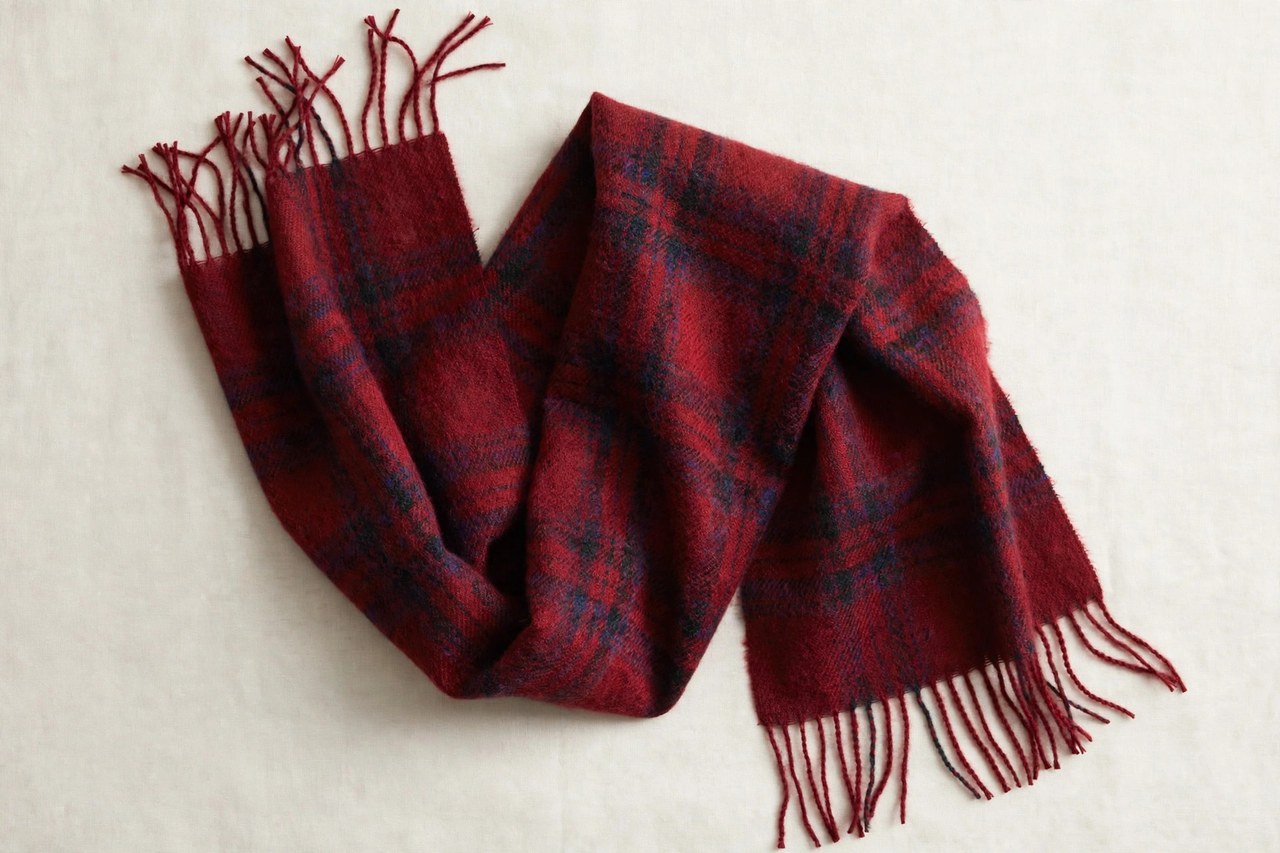
Men's cashmere scarves are woven or knitted scarves in cashmere - the neck's winter garment, and by near-universal verdict the best first cashmere a man can own. A scarf concentrates the fiber where cold is felt most and skin is most sensitive, is worn every cold day for months, carries no sizing risk, and costs a fraction of a sweater: it is cashmere's value argument in its purest form. This guide covers the styles worth knowing, the fit points that decide comfort, the fabrics and construction that separate a good buy from a regret, and the simple care that makes the garment last.
Styles and Construction
Scarves divide by construction. Woven scarves - plain, twill, or patterned in plaids and checks - are the dressier, flatter, more formal branch, finished with twisted or eyelash fringes. Knitted scarves are thicker, softer and more casual, in ribs and cables. Size is a real specification (cheap scarves skimp it): a man's scarf should run roughly 150-180 cm long and 25-35 cm wide to wrap properly and cover the chest's V. Weight follows weave - a double-faced woven scarf (pattern reversed on the back) is the warm, premium build. Pure cashmere is standard here; blends add silk's sheen for dress scarves.
Accessories reward material honesty: solid metal over plated base metal, full-grain leather over bonded scraps, stitching over glue wherever fabric or hide is joined. Work every moving part through its full travel before paying - clasps, hinges, springs, adjusters - because small hardware fails before large materials do. And budget the care with the purchase: conditioner, the right cloth, a dry drawer; an accessory you can maintain will outlast a finer one you cannot.
Fit and Sizing
A scarf 'fits' by how it ties: long enough for your knot of choice (the Parisian fold-through wants the most length), wide enough to fill a coat's neckline without a draft gap, and drapey enough to sit rather than perch. Test it with your actual coat - the scarf's job is the seal between coat collar and chin, and a scarf too short or stiff for that seal is jewelry, not equipment. Color strategy: one scarf in your coat's best contrast, one quiet neutral.
Accessories have exact fits and exact measures: belt length to the middle hole of a belt you own, hat size as head circumference, a watch case within the wrist's width. Makers' accessory charts vary more than apparel charts, so measure and use the chart rather than ordering a habitual letter - ninety seconds with a tape prevents the most avoidable returns in menswear.
Wearing and Care
Brush a cashmere scarf after wear, rest it like knitwear, and wash it gently by hand or entrust it to a cleaner at season's end - scarves collect skin oil and aftershave at the fold, and should never go into storage unwashed. Store flat or loosely rolled; a scarf hung by one end all summer stretches into its own caricature. Fringes untangle with fingers, never a comb's violence.
Store accessories deliberately: leather away from sun and plastic, metal dry, belts rolled or hung by the buckle rather than folded at the same crease forever. Condition leather a few times a year, polish metal with the cloth meant for its finish, and repair hardware early - a loose screw today is a lost cufflink or a failed clasp next month. Rotate daily pieces in pairs and both will outlast a single workhorse.
Common Questions
How long should a man's cashmere scarf be?
Around 150 to 180 centimeters (60-70 inches): enough to fold in half for the Parisian knot with the ends reaching mid-chest, or to wrap once with a working tail. Scarves under 140 cm restrict you to a single drape and tend to escape in wind. Width of 25-35 cm fills a coat neckline; narrower reads as a fashion strip rather than winter equipment.
Woven or knitted cashmere scarf?
Woven for coats and formality - it lies flat, shows pattern (plaids, checks, herringbones) crisply and slides into a neckline cleanly. Knitted for texture, maximum softness and casual coats. Most men who own two own one of each, and that pairing covers the wardrobe's winter completely.
Why is a cashmere scarf the recommended first cashmere?
Because the fiber's advantages are all perceptible in it - softness against the neck, warmth without weight - at the family's lowest price, with no fit risk and daily wear through the whole cold season. Its cost per wear across one winter undercuts nearly every other luxury purchase a man makes.
More in Men's Clothes Guide C
Looking for Men's Clothing Stores?
This guide explains men's cashmere scarves. To browse where to buy, visit our men's clothing store directory, where you can find retailers that carry them.