Women's Scarf Guide
A scarf — plural scarves — is a single piece of fabric worn around the neck, and choosing one well is about fiber, size and hand, not quantity.
Shop Women's Scarf Now
Shop Women's Scarf on Amazon Shop Women's Scarf on eBayThe Amazon and eBay links on this page are affiliate links. If you make a purchase through them, Apparel Search may earn a commission.
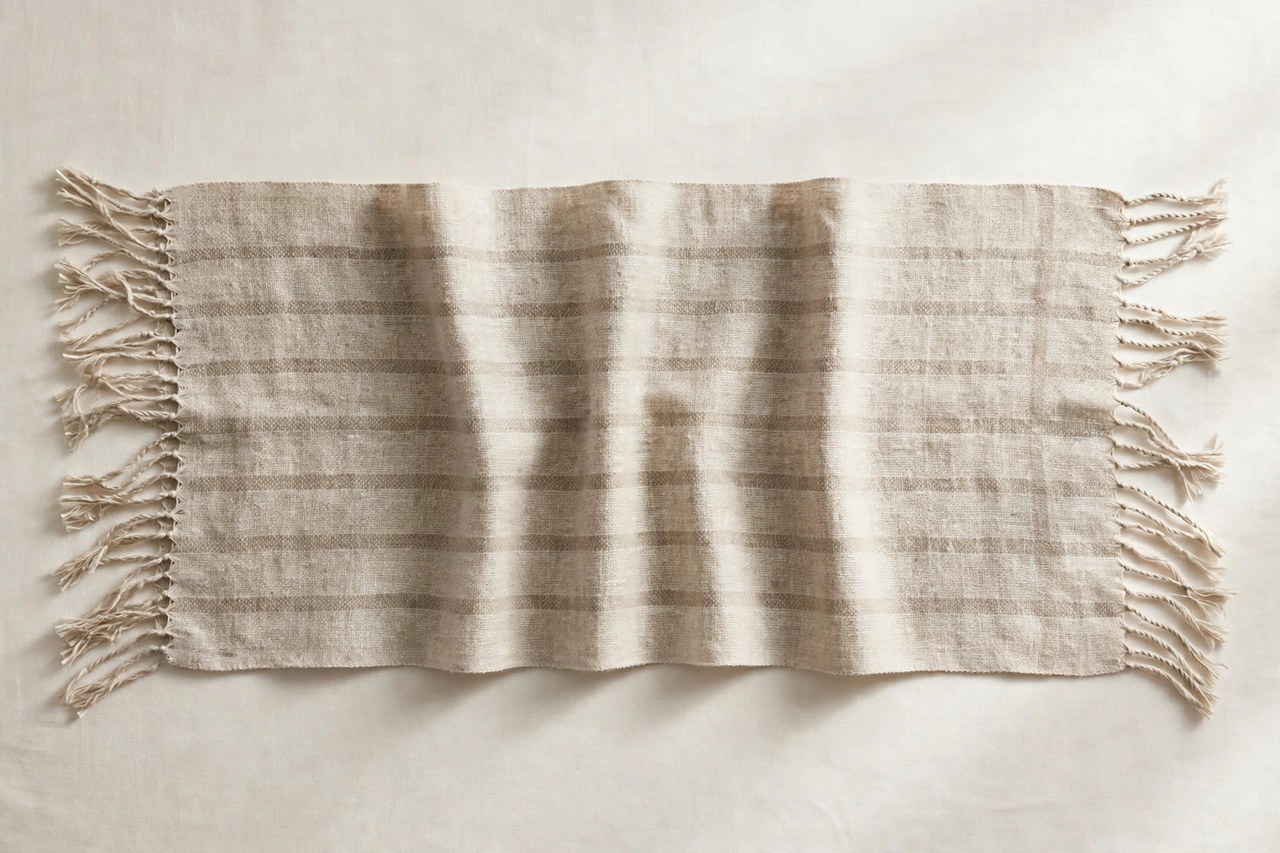
A scarf, plural scarves, is a piece of fabric worn around the neck for a variety of reasons — warmth, fashion, sun protection, cleanliness or modesty, depending on the cloth and the wearer. This guide is about one scarf: how to judge a single piece of fabric in your hands, by its fiber, weave, weight and dimensions, before it ever reaches your neck.
That focus is useful because a scarf is bought differently from most clothing. There is no fit in the tailored sense, no closure to test, no size run to decode. Instead there are questions a label only half answers: Will this fiber itch? Will this size actually wrap twice? Will this weave snag on a zipper in the first week? The sections below answer those questions in the order you would ask them in a shop, holding the scarf itself.
Fiber First: What One Scarf Is Made Of
Silk is smooth, light, warm for its weight and kind to hair and skin, in twill weaves that print beautifully and satin weaves with a liquid drape; it is the classic neck scarf fiber and the least forgiving of rain and rough handling. Wool is the warmth fiber, from fine merino that behaves almost like a knit jersey to chunky hand-loomed weaves; check softness against your own neck, not your hand, because neck skin reports prickle that fingertips miss entirely.
Cashmere offers the most warmth per gram and a softness wool rarely matches, at a price that reflects how little fiber each goat produces; blends with silk or fine wool can keep much of the hand at lower cost. Cotton and linen serve warm weather, absorbing moisture and washing easily, with linen adding crisp texture and natural slubs. Modal, viscose and acrylic imitate the natural fibers at lower prices, trading breathability and longevity in different proportions — read the fiber label, not just the word 'silk-feel' on the tag.
Size and Shape: Rectangle, Square and Infinity
A long rectangular scarf is the most versatile single purchase: it wraps, loops, drapes and, in generous widths, doubles as a light shoulder wrap. Length decides how many wraps you get; width decides whether the scarf reads as an accent or as insulation. A square scarf, folded on the diagonal, is the classic neckerchief and headscarf form, and the size that prints are designed around — too small a square will not knot comfortably once folded, so check the folded diagonal against your neck.
An infinity scarf removes the tying question entirely: a continuous loop, doubled around the neck, with no ends to arrange or lose to the wind. It is the easiest scarf to wear and the least adaptable, since length and drape are fixed by the loop. For a true first scarf, most stylists quietly recommend the long rectangle in a mid-weight weave, because it can imitate almost every other form, including a passable loop, while no loop can imitate it.
Weave, Edge and Hand
Hold the scarf to the light. A tight, even weave will resist snags, hold a knot and survive seasons of wear; a loose, open weave drapes beautifully and catches on everything, including its own fringe. Twill shows a fine diagonal and prints with crisp edges; plain weave is matte and sturdy; knitted scarves stretch and curl at the edges, which suits casual warmth and frustrates neat draping. Neither is better — they are simply different tools, and your wardrobe already knows which one it needs.
Edges tell you how the scarf was finished and how it will age. Hand-rolled edges on silk squares are a traditional quality sign and help the scarf drape rather than lie stiffly. Fringe should be knotted or twisted securely, hems should be even, and prints should align at borders rather than drifting off them. Finally, scrunch the fabric and release it: fibers that spring back will travel and store well, while a scarf that keeps every crease will demand steaming before almost every wear.
Wearing and Caring for a Single Scarf
The simplest wears are the most reliable: a single loop with ends forward for warmth, a loose drape inside a coat neckline for color, a diagonal-folded square knotted at the side for polish. One good scarf in a color that flatters your face does more than a drawer of almost-right ones, because the fabric sits closer to your skin and eyes than almost anything else you wear. Keep jewelry with rough settings and hook-and-loop fastenings away from fine weaves when you dress.
Care follows fiber: silk and cashmere want gentle hand washing or dry cleaning and flat drying; wool wants cool water and no agitation; cotton and linen tolerate the machine on gentle. Store scarves rolled or loosely folded in a drawer, never on thin hangers that crease and stretch them, and keep silk out of prolonged sunlight. A scarf has no structure to lose and no hardware to fail, so its life is decided entirely by fiber and handling — which is why one, chosen well, can be worn for decades.
Related Women's Guides
Photos

More to Explore on Apparel Search
Looking for Women's Clothing Stores?
This guide helps you choose women's scarf. To browse where to buy, visit our women's clothing store directory, where you can find retailers that carry them. For wearing one as a garment, see our scarf top guide.