Men's Designer Collections Guide
A men's designer collection is the complete seasonal statement of a fashion house or designer label - the runway-to-store range of garments, shoes and accessories designed to be seen together, released on the fashion calendar as spring/summer and autumn/winter collections (with smaller resort and pre-fall drops between). Where a single garment is a sentence, a collection is the paragraph: colors, fabrics and silhouettes repeat across pieces so the season has a legible point of view, and a man's wardrobe can buy into as much or as little of that view as he wants.
Shop Men's Designer Collections Now
Shop Men's Designer Collections on Amazon Shop Men's Designer Collections on eBayThe Amazon and eBay links on this page are affiliate links. If you make a purchase through them, Apparel Search may earn a commission.
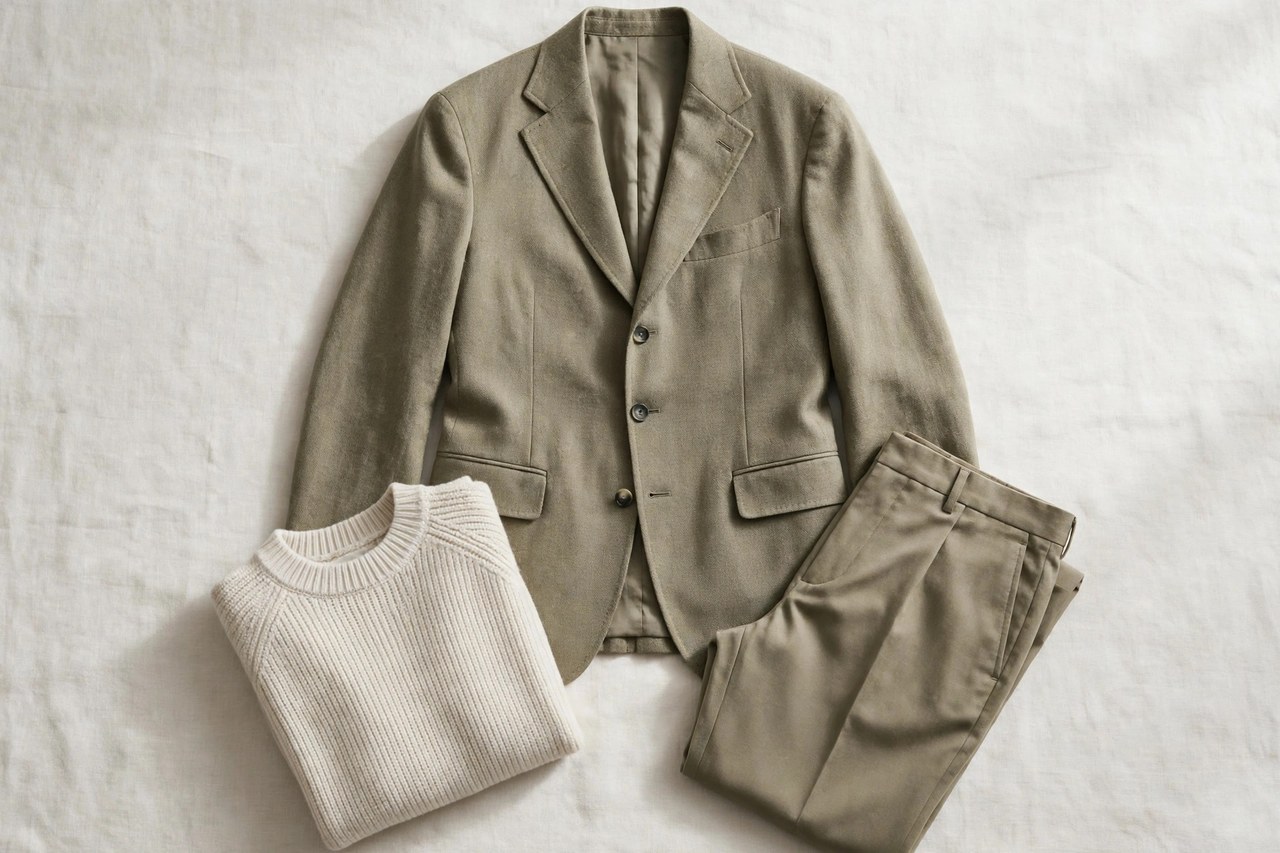
A men's designer collection is the complete seasonal statement of a fashion house or designer label - the runway-to-store range of garments, shoes and accessories designed to be seen together, released on the fashion calendar as spring/summer and autumn/winter collections (with smaller resort and pre-fall drops between). Where a single garment is a sentence, a collection is the paragraph: colors, fabrics and silhouettes repeat across pieces so the season has a legible point of view, and a man's wardrobe can buy into as much or as little of that view as he wants. This guide is built around the questions buyers actually ask: which style, which size, which fabric, and what will it look like after a year of real use - answered in order, with the trade-offs stated plainly.
Styles and Construction
Collections are built in layers. The runway edit shows the idea at full volume; the commercial collection - what stores actually stock - translates it into wearable proportions and prices; diffusion and capsule lines carry the name to lower tiers. Themes are stated in fabric and palette first: a season's tweed, its leather, its three colors recur across coats, knits and trousers, which is why pieces from one collection combine almost automatically. For the buyer, the practical map is timing: collections land months before their season, sell at full price early, and reach markdowns as the next collection arrives.
The durable buying order is job, specification, budget - in that sequence. Decide what the garment must do, translate that into fiber, weight, construction and size numbers, and only then shop price. Read labels as specifications, inspect the garment inside out where finishing is unposed, and prefer the maker who publishes measurements to the one who publishes adjectives. A garment that matches your measurements, climate and laundry will be worn; one that misses any of the three becomes expensive storage.
Fit and Sizing
Buy collections by the piece, not by the concept. The disciplined approach treats a collection as a menu: identify the two or three pieces that carry the season's idea in a form your wardrobe can use (the coat's cloth, the knit’s color, the trouser's cut), try them against what you already own, and let the rest go. Fit follows the house, not the season - each designer's block has a signature (lean, structured, oversized), and learning your houses is worth more than learning trends. A collection piece should still earn its place alone in five years.
Measure yourself once a year and keep the numbers - chest, waist, inseam, foot, head - because bodies drift gradually while size habits never do. Shop from measurements, try garments under real conditions (over layers, in your own shoes, late in the day for footwear), and be honest about alterations: lengths and small waist changes tailor beautifully; shoulders, rises and patterns are the garment you bought forever.
Wearing and Care
Collection pieces ask for the care their fabrics deserve: tailored pieces rested on broad hangers between wears, knits folded, leathers conditioned, and everything stored clean at season's end - a collection garment put away dirty returns with the stain set as a permanent part of the design. Keep the spare buttons and fabric swatches that better houses include; they are the difference between a ten-minute repair and a retired garment. Rotate statement pieces - a collection's boldest item dates fastest when it is seen weekly.
Five minutes when a garment comes off - shake it out, hang or fold it correctly, note the stain and the loose button - prevents most of the damage later blamed on quality. Keep a small kit where the clothes live: brush, lint roller, conditioner suited to your leathers, black, navy and grey thread. Clothing rarely dies at once; it fades by small neglects, and small attentions reverse the process at the same pace.
Common Questions
How many collections does a designer release each year?
The traditional calendar has two main collections - spring/summer and autumn/winter - shown roughly six months before their season. Most houses add smaller inter-season drops (resort/cruise and pre-fall), and large brands add capsules and collaborations through the year. For a shopper the useful rhythm is simpler: new full-price arrivals cluster in late winter and late summer, and markdowns deepen as each season hands over to the next.
What is the difference between a runway piece and what stores sell?
Runway pieces are the idea at full volume - exaggerated proportions, fragile show fabrics, sometimes made in single digits. The commercial collection translates the same themes into wearable cuts, durable cloth and real size runs. Occasionally a runway piece is produced nearly unchanged, at a price that reflects it. When you fall for a runway look, look for its commercial translation: the same color, cloth family or silhouette, engineered for a life off the runway.
Is it better to buy one designer or mix houses?
Mix, from the pieces up. Each house cuts to its own block and argues its own aesthetic; wearing one house head-to-toe imports a stylist's decisions wholesale and dates as a set. The wardrobe that lasts picks the coat from the house that cuts coats for your shoulders, the knit from the house whose yarns you trust, and lets the combinations be yours. Loyalty is useful for fit knowledge, not as a uniform.
More in Men's Clothes Guide D
Looking for Men's Clothing Stores?
This guide explains men's designer collections. To browse where to buy, visit our men's clothing store directory, where you can find retailers that carry them.