Men's Designer T-Shirts Guide
A men's designer t-shirt is the humblest garment in the wardrobe carrying the proudest label in the building: a knitted cotton tee designed - or at minimum signed - by a fashion house. One honest question hangs over the category: should a t-shirt ever cost more than a hundred dollars? This page takes that question seriously. The designer tee is a real product with real variables - cloth, cut and print craft - wrapped around the industry's most elastic markup, and separating the two is a learnable skill.
Shop Men's Designer T-Shirts Now
Shop Men's Designer T-Shirts on Amazon Shop Men's Designer T-Shirts on eBayThe Amazon and eBay links on this page are affiliate links. If you make a purchase through them, Apparel Search may earn a commission.
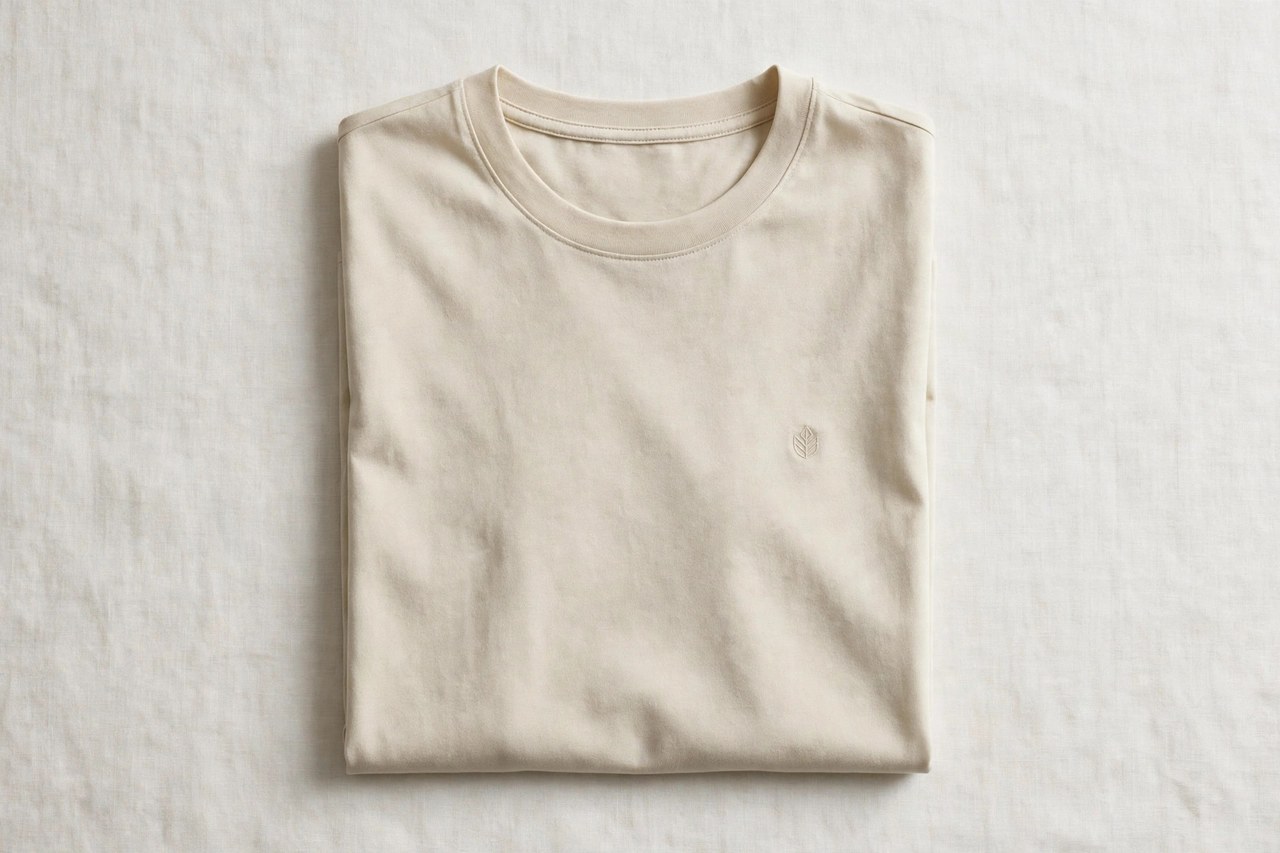
A men's designer t-shirt is the humblest garment in the wardrobe carrying the proudest label in the building: a knitted cotton tee designed - or at minimum signed - by a fashion house. One honest question hangs over the category: should a t-shirt ever cost more than a hundred dollars? This page takes that question seriously. The designer tee is a real product with real variables - cloth, cut and print craft - wrapped around the industry's most elastic markup, and separating the two is a learnable skill. This guide covers the styles worth knowing, the fit points that decide comfort, the fabrics and construction that separate a good buy from a regret, and the simple care that makes the garment last.
Styles and Construction
The cloth variable is genuine: premium tees use long-staple cotton at higher weights (180-240 gsm against the commodity 140), garment-dyed for depth, with collars that keep a ribbed edge through fifty washes instead of baconing by the fifth. The cut variable is real too - house blocks, side-seamed bodies (cheap tees are tube-knit and twist), shoulders taped against stretch. The print variable ranges from screen-printing craft (soft-hand inks, multiple passes) to embroidery. Against those stand the logo variable - a commodity tee with a name - which the inside-out test exposes: tube body, thin cloth, a collar already relaxing in the shop.
A top earns its keep in finishing: seams that hang straight and stay even at eight to twelve stitches per inch, collars and plackets that lie flat after washing, buttons sewn with thread shanks so they sit in their holes without pulling. Hold the cloth to the light - a tight, even weave or knit outwears a loose one at the same labeled weight, and pattern pieces cut on grain keep the garment from twisting around your body by the third wash.
Fit and Sizing
Fit a designer tee as you would any tee you intend to be seen in: shoulder seams on the bone, chest skimming, length ending mid-fly, sleeves at mid-bicep without gripping. House blocks differ - fashion houses cut lean, luxury-casual labels cut easy - and the tee's price buys no exemption from trying it with the trousers it will actually meet. Premium cloth relaxes less than cheap cloth, so the shop fit is close to the year fit; buy the size that fits now, not a hoped-for size in either direction.
Fit tops shoulders and chest first, because tailors cannot cheaply move either: the shoulder seam ends at the shoulder bone, the chest closes without pulling, and both arms raise without the hem escaping the waistband. Tucked lengths must stay tucked sitting; untucked lengths should end mid-fly. Sleeves are the cheap alteration, shoulders the permanent one - reject a wrong shoulder for any reason, forgive a long sleeve for many.
Wearing and Care
The premium tee's care is where its value is kept or surrendered: wash cold and inside out (prints and garment-dye both live on the surface), skip the tumble dryer entirely, and dry flat or on a hanger by the shoulders' seams - a heavy wet premium tee hung by its collar will stretch the neck you paid to keep crisp. Fold for storage. Treated this way, a heavy long-staple tee genuinely outlasts three commodity tees; treated like a commodity tee, it converges to one, and the premium was a rental.
Launder tops by the label with three defaults: cool or warm water to protect color and trims, dark and printed pieces inside out, and low or line drying, which is the largest single lever on a shirt's lifespan. Fasten buttons and zips before washing to protect the whole load, treat stains before the dryer can set them, and store knits folded so their shoulders keep the shape they were knitted with.
Common Questions
Should a t-shirt ever cost more than a hundred dollars?
It can be worth it, on arithmetic rather than faith: a 220 gsm long-staple tee, side-seamed, with a collar that holds its rib for years, worn weekly and washed gently, can deliver 200+ wears at a cost per wear under a basic tee replaced every season. The hundred-dollar tee fails the test when its spec sheet is a logo on commodity cloth - the same 140 gsm tube knit sold plain for a tenth of the price. Read the garment, not the tag: weight, seams, collar construction, fiber.
How can you judge a designer t-shirt's quality quickly?
Four touches: weight in the hand (premium tees feel substantial), the collar (thick rib, tight recovery when stretched), the side seams (present and straight - tube-knit bodies twist in wear), and the inside of any print (soft-hand ink you can barely feel beats a plastic-feeling plate). Then the fiber label: 100% long-staple or Pima cotton is the premium claim; a vague 'cotton blend' at a premium price is the answer you needed.
Do designer t-shirts fit smaller than regular t-shirts?
Fashion-house tees often do - the blocks are cut for the runway's proportions, leaner through the chest and longer in the body. Luxury-casual and heritage labels cut closer to standard. There is no cross-house consistency, which is the practical point: know your chest measurement, read the house's size chart for that number rather than your usual letter, and when between sizes in a lean block, take the larger - a premium tee's drape is the product, and compression ruins it.
More in Men's Clothes Guide D
The Hundred-Dollar Question
A standing question, from the site’s education polls, belongs beside this topic: should a t-shirt ever cost more than one hundred dollars? The answer is sometimes — on cloth and construction arithmetic — and never on a logo alone.
More to Explore on Apparel Search
Looking for Men's Clothing Stores?
This guide explains men's designer t-shirts. To browse where to buy, visit our men's clothing store directory, where you can find retailers that carry them.