Men's Designer Fashion Guide
Men's designer fashion is clothing conceived by a named designer or fashion house, where the design itself - the cut, the cloth, the point of view - is the product being bought, above and beyond the garment's function. It is the top of the clothing pyramid: seasonal, authored and priced for the idea as much as the object. This page is the map of that territory - what the premium actually consists of, where it is real and where it is merely a logo, and how a man buys designer fashion as an investment in a wardrobe rather than a subscription to a calendar.
Shop Men's Designer Fashion Now
Shop Men's Designer Fashion on Amazon Shop Men's Designer Fashion on eBayThe Amazon and eBay links on this page are affiliate links. If you make a purchase through them, Apparel Search may earn a commission.
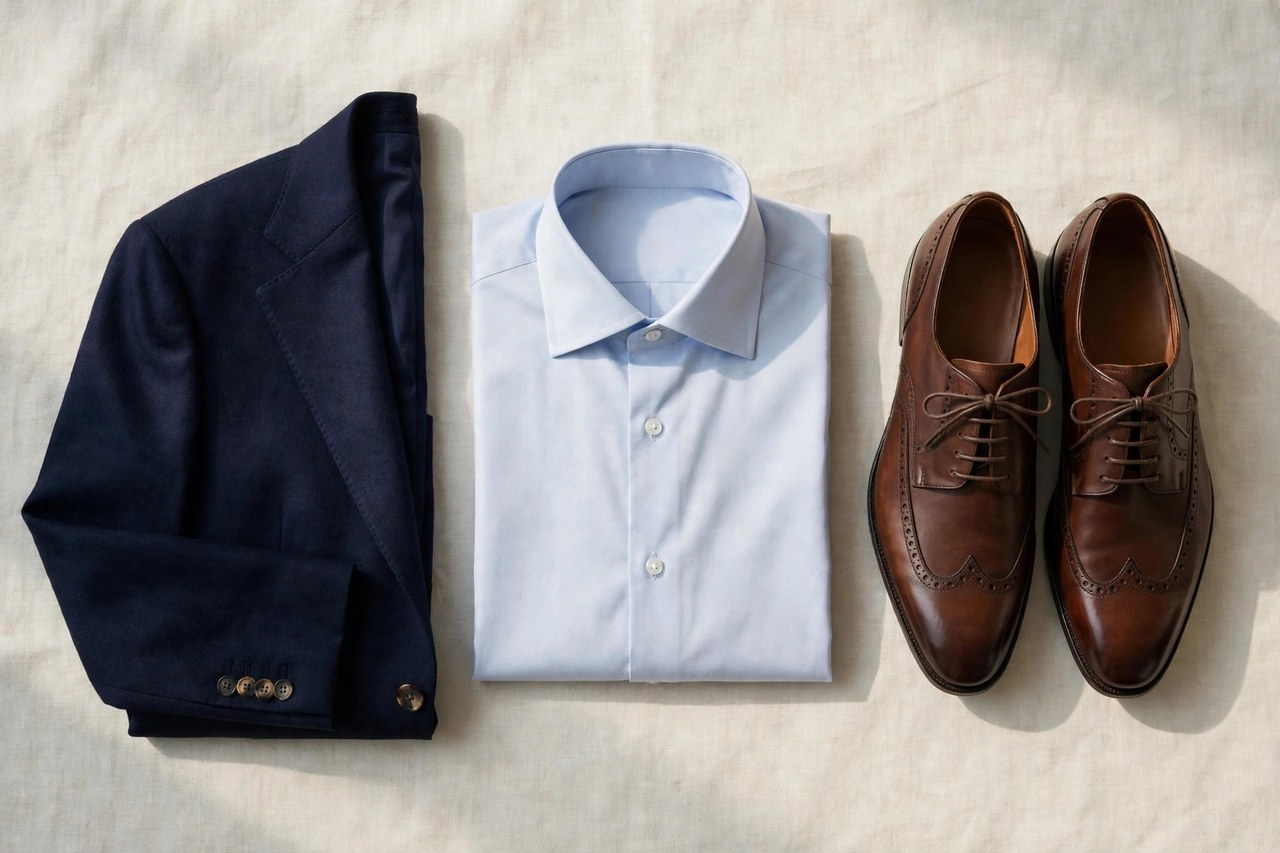
Men's designer fashion is clothing conceived by a named designer or fashion house, where the design itself - the cut, the cloth, the point of view - is the product being bought, above and beyond the garment's function. It is the top of the clothing pyramid: seasonal, authored and priced for the idea as much as the object. This page is the map of that territory - what the premium actually consists of, where it is real and where it is merely a logo, and how a man buys designer fashion as an investment in a wardrobe rather than a subscription to a calendar. This guide covers the styles worth knowing, the fit points that decide comfort, the fabrics and construction that separate a good buy from a regret, and the simple care that makes the garment last.
Styles and Construction
The premium, when it is real, has four parts. Design: proportions and details no high-street pattern room would risk. Cloth: mills and weaves that commodity brands cannot buy at their volumes. Construction: more operations per garment - canvassing, hand-finishing, pattern matching at seams. And coherence: a house's pieces combine because one mind specified them. When the premium is not real, it reduces to a fifth part alone - the label, licensed onto ordinary goods. The buyer's skill is telling the two apart in the hand: turn the garment inside out, read the fiber label, check whether pattern matches across the seams, and ask what the cloth is.
The durable buying order is job, specification, budget - in that sequence. Decide what the garment must do, translate that into fiber, weight, construction and size numbers, and only then shop price. Read labels as specifications, inspect the garment inside out where finishing is unposed, and prefer the maker who publishes measurements to the one who publishes adjectives. A garment that matches your measurements, climate and laundry will be worn; one that misses any of the three becomes expensive storage.
Fit and Sizing
Designer fashion fits by house block, and houses differ more than sizes do: Italian tailoring leans close and structured, American designer sportswear sits easier, avant-garde houses cut deliberately against the body. Learn two or three houses whose blocks flatter you and shop within them across seasons. Buy the idea at its most wearable translation, size for tailoring (a designer piece worth its price is worth a tailor's hour), and keep the receipt reality in view: cost per wear over a decade, not the thrill of the drop, is the honest metric.
Measure yourself once a year and keep the numbers - chest, waist, inseam, foot, head - because bodies drift gradually while size habits never do. Shop from measurements, try garments under real conditions (over layers, in your own shoes, late in the day for footwear), and be honest about alterations: lengths and small waist changes tailor beautifully; shoulders, rises and patterns are the garment you bought forever.
Wearing and Care
Care is part of the purchase: designer cloth - fine wools, silk blends, coated and treated fabrics - punishes generic laundry. Read labels as law, use specialists for tailored and leather pieces, store knits folded and tailoring on shaped hangers, and rest everything between wears. A designer garment maintained properly holds its architecture for a decade; the same garment dry-cleaned monthly and hung on wire hangers is a five-season garment at a ten-year price. Budget the maintenance when you budget the piece.
Five minutes when a garment comes off - shake it out, hang or fold it correctly, note the stain and the loose button - prevents most of the damage later blamed on quality. Keep a small kit where the clothes live: brush, lint roller, conditioner suited to your leathers, black, navy and grey thread. Clothing rarely dies at once; it fades by small neglects, and small attentions reverse the process at the same pace.
Common Questions
What actually makes designer clothing cost more?
Four real things - original design work, better cloth bought at smaller volumes, more construction operations per garment, and small production runs that spread fixed costs over fewer pieces - plus one unreal thing: marketing and the label's licensing value. The first four you can verify in the hand (fiber labels, seam finishing, pattern matching, canvassing you can feel between the cloth layers). When none of the four is present and the price remains, you are buying the fifth thing alone.
How can you tell a genuine designer piece from a licensed logo product?
Check the construction the logo cannot fake: inside-out finishing, matched patterns at pockets and seams, natural fiber labels with specific compositions, spare buttons and thread included, and a country of manufacture the house is known to use. Licensed products typically show commodity construction with the name applied - printed linings, glued seams, vague labels. The house's own stores and site also list their real lines; a 'designer' line sold nowhere by the house itself is the tell.
When is the best time to buy designer fashion?
At the season's turn: markdowns deepen as the next collection lands, and the classic pieces - the dark coat, the plain knit, the tailored trouser - are exactly what remains after the statement pieces sell through early. Sample sales and house outlets serve the patient further. The discipline is to buy your wardrobe's gaps at discount rather than the season's mascots at full price; designer fashion punishes impulse and rewards a list.
More in Men's Clothes Guide D
The Designer Family
The designer family radiates from one table: collections, jeans, shoes, suits, sunglasses and t-shirts, each with its own guide. This page is the map from which the garment-by-garment audits in the sibling guides are launched.
Looking for Men's Clothing Stores?
This guide explains men's designer fashion. To browse where to buy, visit our men's clothing store directory, where you can find retailers that carry them.