Men's Designer Sunglasses Guide
Men's designer sunglasses are sunglasses bearing a fashion house's design - frames where the house's shapes, materials and detailing meet the non-negotiable optics of eye protection. The category is unusually concentrated: a handful of eyewear groups manufacture frames under license for most famous names, which makes the buyer's question sharper than in any other designer category - what, in this pair, is the house's design, what is the licensee's standard product, and what are you actually paying for?
Shop Men's Designer Sunglasses Now
Shop Men's Designer Sunglasses on Amazon Shop Men's Designer Sunglasses on eBayThe Amazon and eBay links on this page are affiliate links. If you make a purchase through them, Apparel Search may earn a commission.
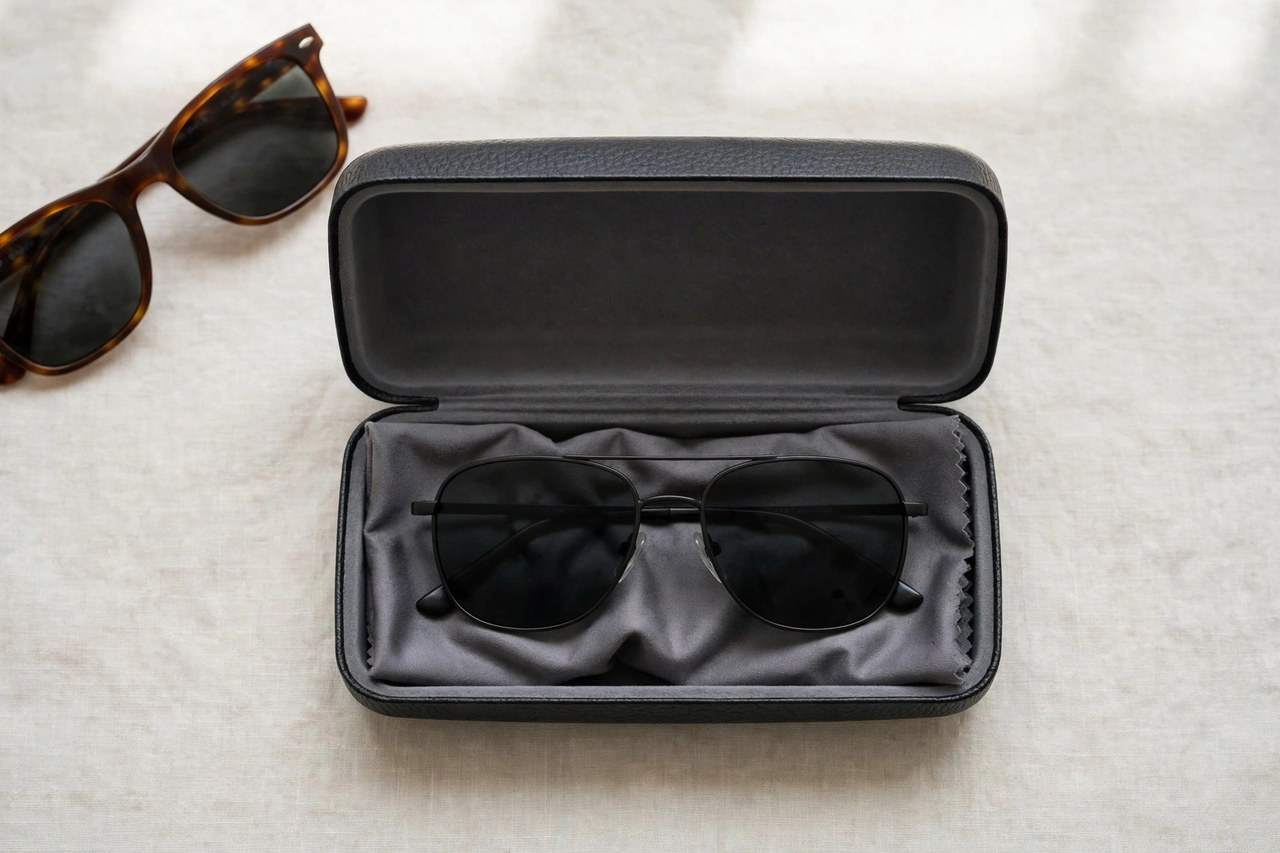
Men's designer sunglasses are sunglasses bearing a fashion house's design - frames where the house's shapes, materials and detailing meet the non-negotiable optics of eye protection. The category is unusually concentrated: a handful of eyewear groups manufacture frames under license for most famous names, which makes the buyer's question sharper than in any other designer category - what, in this pair, is the house's design, what is the licensee's standard product, and what are you actually paying for? This guide covers the styles worth knowing, the fit points that decide comfort, the fabrics and construction that separate a good buy from a regret, and the simple care that makes the garment last.
Styles and Construction
Start with what cannot be licensed away: protection. Any pair worth buying carries full UVA/UVB protection (labeled UV400 or 100% UV protection) regardless of tint darkness - darkness without UV filtering is worse than nothing, because the pupil opens behind the dark lens. Frame materials divide the tier: Italian acetate (plant-based, polishable, repairable, with color through the material) at the top, injected plastic below it, and metals from stainless to titanium where lightness rules. Lenses divide too: glass for optical clarity and scratch resistance at a weight cost, polycarbonate for impact safety, nylon for sport lightness. Polarization cuts glare and is a use decision, not a quality badge.
Accessories reward material honesty: solid metal over plated base metal, full-grain leather over bonded scraps, stitching over glue wherever fabric or hide is joined. Work every moving part through its full travel before paying - clasps, hinges, springs, adjusters - because small hardware fails before large materials do. And budget the care with the purchase: conditioner, the right cloth, a dry drawer; an accessory you can maintain will outlast a finer one you cannot.
Fit and Sizing
Fit sunglasses by numbers and by wear: the lens width, bridge and temple length are printed inside the temple, and they matter more than the silhouette's name. The frame should sit without pinching the temples or sliding on the nose, lashes clear of the lenses, and the top bar following the brow line. Designer frames run fashion-narrow; a house shape that fights your face width will lose every day in the drawer. Try them outdoors if the shop allows - indoor light lies about tint density - and check that the pair you love is a shape your actual life (driving, water, sport, city) can use.
Accessories have exact fits and exact measures: belt length to the middle hole of a belt you own, hat size as head circumference, a watch case within the wrist's width. Makers' accessory charts vary more than apparel charts, so measure and use the chart rather than ordering a habitual letter - ninety seconds with a tape prevents the most avoidable returns in menswear.
Wearing and Care
Sunglasses die by surfaces and hinges, so care is mechanical: two hands to put them on and take them off (one-handed removal twists frames out of true), case whenever they are off your face, rinse grit away before wiping, microfiber only, and never the dashboard's heat, which warps acetate and crazes coated lenses. Screws loosen with wear - a jeweler's driver or an optician's minute keeps hinges honest. A designer pair treated this way keeps its alignment and lenses for years; treated casually, it is a season's purchase at a decade's price.
Store accessories deliberately: leather away from sun and plastic, metal dry, belts rolled or hung by the buckle rather than folded at the same crease forever. Condition leather a few times a year, polish metal with the cloth meant for its finish, and repair hardware early - a loose screw today is a lost cufflink or a failed clasp next month. Rotate daily pieces in pairs and both will outlast a single workhorse.
Common Questions
Are designer sunglasses better than regular sunglasses?
In frame materials and finish, the good ones are: acetate you can polish and adjust, five-barrel hinges, lenses with proper coatings. In UV protection, no - protection is a standard, and an honest inexpensive pair meets it as fully as a designer pair. What the premium cannot excuse is a missing UV label: any pair, at any price, without stated full UVA/UVB protection should be left on the shelf. Judge the pair in hand - materials, hinges, lens clarity at the edges - not the name on the temple.
Should you choose polarized lenses?
Polarization filters horizontally reflected glare - water, wet roads, snow, car hoods - and for driving, fishing and winter glare it is a genuine functional gain. Its costs: it can blank some LCD dashboards and phone screens at angles, and pilots and some instrument users avoid it. It does not indicate UV protection either way. Choose it by your dominant use: glare-heavy days outdoors argue yes; screen-heavy city use argues it is optional.
How should sunglasses fit your face?
The frame's total width should roughly match your face's width at the temples, the bridge should rest without pressure points or sliding, and the lenses should cover the eye's full field including the upper corner where sun enters. Temples should reach back over the ears with a gentle hold, not a squeeze - a headache in twenty minutes means the frame is too narrow or the temples need an optician's adjustment, which quality acetate frames accept well.
More in Men's Clothes Guide D
Looking for Men's Clothing Stores?
This guide explains men's designer sunglasses. To browse where to buy, visit our men's clothing store directory, where you can find retailers that carry them.