Men's Fine Gauge Cotton Sweaters Guide
A men's fine gauge cotton sweater is a sweater knitted from cotton yarn at a high stitch count - fine gauge. Gauge, in both hand and machine knitting (where it is abbreviated GG), counts the stitches or needles per inch: the higher the number, the finer, smoother and lighter the fabric. A fine gauge cotton sweater is therefore the polished end of the cotton knit family - a thin, even, dressy layer that behaves almost like a woven shirt's warmer sibling, made to sit under a jacket or over a collared shirt without bulk.
Shop Men's Fine Gauge Cotton Sweaters Now
Shop Men's Fine Gauge Cotton Sweaters on Amazon Shop Men's Fine Gauge Cotton Sweaters on eBayThe Amazon and eBay links on this page are affiliate links. If you make a purchase through them, Apparel Search may earn a commission.
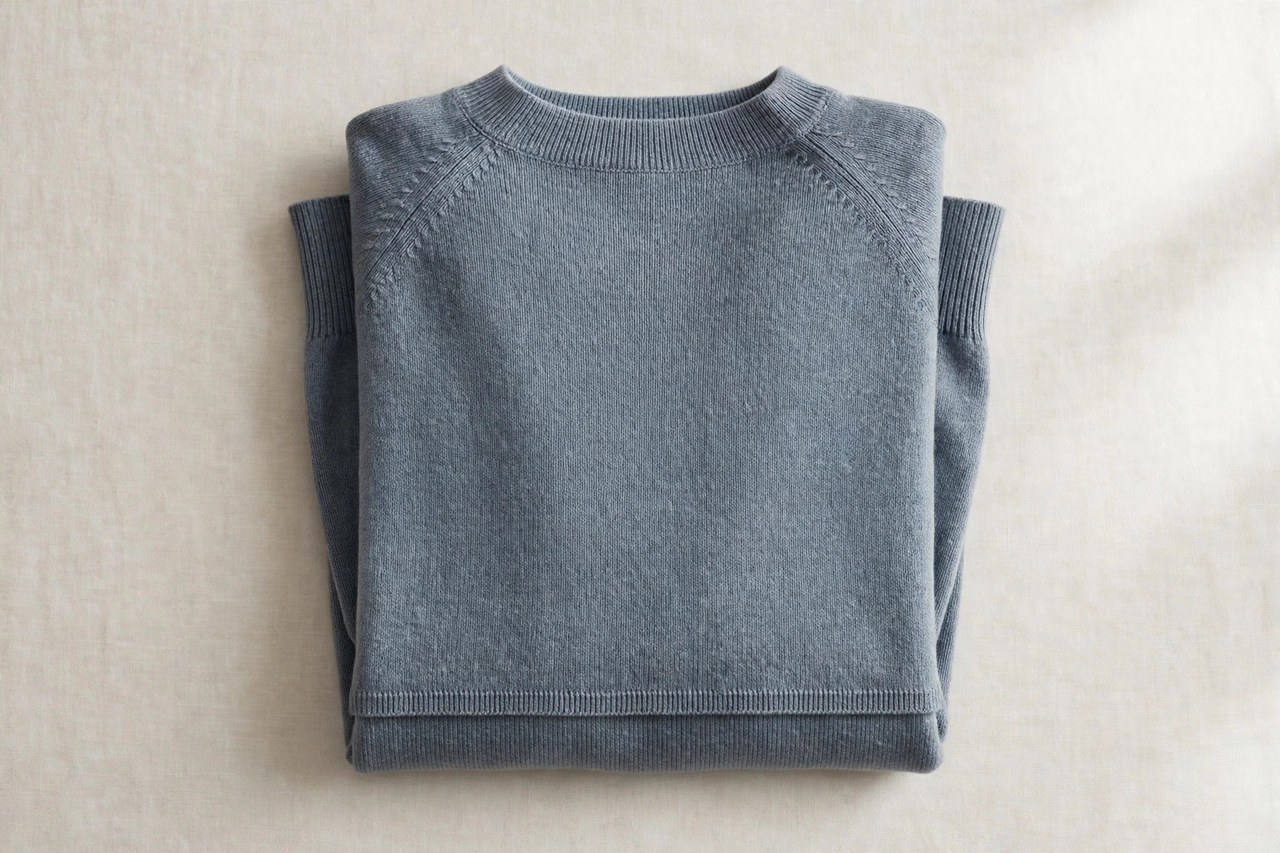
A men's fine gauge cotton sweater is a sweater knitted from cotton yarn at a high stitch count - fine gauge. Gauge, in both hand and machine knitting (where it is abbreviated GG), counts the stitches or needles per inch: the higher the number, the finer, smoother and lighter the fabric. A fine gauge cotton sweater is therefore the polished end of the cotton knit family - a thin, even, dressy layer that behaves almost like a woven shirt's warmer sibling, made to sit under a jacket or over a collared shirt without bulk. This guide walks through the choices that matter - style, fit, fabric and finish - with the practical detail a product listing rarely gives you, and closes with the care habits that keep the garment in service.
Styles and Construction
Fine gauge in cotton usually means 14 gauge and upward, knitted on fine machine beds from combed, long-staple cotton yarns, often with a small percentage of nylon or elastane for recovery. The fabric's virtues are precision: fully-fashioned panels shaped on the machine, linked seams that lie flat, a surface smooth enough to read as formal knitwear, and edges - collar, cuffs, hem - fine enough to disappear under tailoring. Crew necks and V-necks dominate, with fine cardigans and sweater vests at the edges. Against chunky cotton knits the trade is explicit: fine gauge gives drape, layering and polish, and gives up the rugged texture and easy warmth of a heavy knit.
Judge knitwear by gauge, ply and finishing rather than by softness in the shop, because every knit feels kind on day one. Gauge counts stitches per inch - finer gauges drape and layer, coarser gauges insulate and read casual. Ply counts the strands twisted into the yarn: more plies mean more warmth, roundness and price. Fully-fashioned shaping, knitted in rather than cut and sewn, marks better garments, and linked seams at the shoulders and neck lie flatter and last longer than overlocked ones.
Fit and Sizing
Fit a fine gauge sweater close but never tight: the fabric has little loft to hide behind, so it should skim the torso with the shoulder seam on the shoulder bone and enough ease at the chest to layer over a shirt without printing its buttons through the knit. Sleeve length matters more than in casual knits because the cuff is meant to show a sliver of shirt cuff beneath a jacket sleeve. Body length should cover the waistband cleanly. Because cotton has less natural spring than wool, a fit that is perfect in the shop can relax half a size in wear - snug-but-kind beats loose from the start.
Fit knitwear by the body, not the shoulders alone: a sweater should skim rather than cling, with ease for a shirt beneath at the chest, sleeves ending at the wrist bone, and body length covering the waistband without pooling. Knits relax with wear - a slightly firm new fit is often the right long-term fit - but ribbed cuffs and hems should recover when stretched, and a neckline should sit flat against the base of the neck, neither gaping nor strangling.
Wearing and Care
Cotton knit care is forgiving in the wash and unforgiving in storage. Wash cool on a gentle cycle inside a mesh bag or by hand, reshape while damp, and dry flat - a wet cotton knit hung by its shoulders will grow sleeves it never had. Fold for storage, never hang. Fine gauge snags more readily than coarse knits, so keep it from rough straps and Velcro, and mend a pulled loop by easing it through to the inside rather than cutting it. Rest the sweater a day between wears and it will hold its precise shape for years.
Knitwear care is gentle by default: wash cool by hand or on a wool cycle with knitwear detergent, never wring, roll in a towel to lift water, and dry flat on a mesh or towel, reshaped to its measurements. Fold for storage - hangers stretch shoulders into points - with cedar or lavender against moths, and rest a sweater a day between wears so its fibers recover their loft. Depill with a comb or electric shaver; pilling is loose fiber migrating, not the garment failing.
Common Questions
What does gauge mean in a sweater, and what counts as fine gauge?
Gauge is the number of stitches - in machine knitting, needles - per inch of fabric. More stitches per inch means finer yarn, a smoother and lighter fabric, and a dressier garment. In men's knitwear, fine gauge generally starts around 14GG and runs to 18GG and beyond; chunky casual knits sit at 7GG and below. The number is a specification, not a quality grade by itself: quality adds yarn quality, fully-fashioned shaping and linked seams.
Why choose cotton for a fine gauge sweater instead of wool?
Cotton gives a cool, dry hand feel, no itch, easy washing and a clean matte surface that suits warm climates, spring and autumn layering, and men who find wool warm or irritating. Wool - merino especially - gives more warmth per weight, better natural stretch and recovery, and better odor resistance. Many wardrobes end up with both: cotton fine gauge for the mild months and under jackets, merino for the cold ones.
Do fine gauge cotton sweaters stretch out?
Cotton yarn has little elastic memory, so a fine gauge cotton sweater can relax with wear, most noticeably at the cuffs, hem and elbows. Makers counter this with ribbed trims, a touch of elastane or nylon in the yarn, and tighter knitting. You counter it by folding rather than hanging, drying flat, resting the sweater between wears, and re-blocking it - washing, reshaping to its measurements and drying flat - when it has grown.
More in Men's Clothes Guide F
Gauge, Defined Properly
In knitting, the word gauge is used in both hand knitting and machine knitting — the latter abbreviated GG for the knitting machine’s fineness size — and in both cases it refers to the number of stitches per inch, not the size of the finished garment, counted over several inches and divided by the width. What moves the number: the stitch pattern (ribbing and cables pull in, giving more stitches over the same width than stockinette), the yarn (thicker yarns with less loft make larger stitches), the needle size, and the knitter’s own tension — which is why gauge can vary even within a single garment, and why smaller stitches are deliberately worked at collars, cuffs, hems and pocket edges. A sweater, in turn, is a knitted garment covering torso and arms, a pullover or a cardigan — a jumper or jersey in British English.
Looking for Men's Clothing Stores?
This guide explains men's fine gauge cotton sweaters. To browse where to buy, visit our men's clothing store directory, where you can find retailers that carry them.