Men's Fleece Sweatshirts Guide
A men's fleece sweatshirt is a sweatshirt - the pullover or zip-front top cut like athletic wear, traditionally made of thick cotton jersey - built instead from fleece, and in modern use that means polar fleece: a soft, napped insulating fabric knitted from polyester, most of it polyethylene terephthalate (PET). Despite old trade names like Polar Wool, polar fleece contains no wool at all; it borrows wool's virtues - warmth, softness, insulation even in damp air - at a fraction of the weight, and adds easy washing and fast drying that wool cannot match.
Shop Men's Fleece Sweatshirts Now
Shop Men's Fleece Sweatshirts on Amazon Shop Men's Fleece Sweatshirts on eBayThe Amazon and eBay links on this page are affiliate links. If you make a purchase through them, Apparel Search may earn a commission.
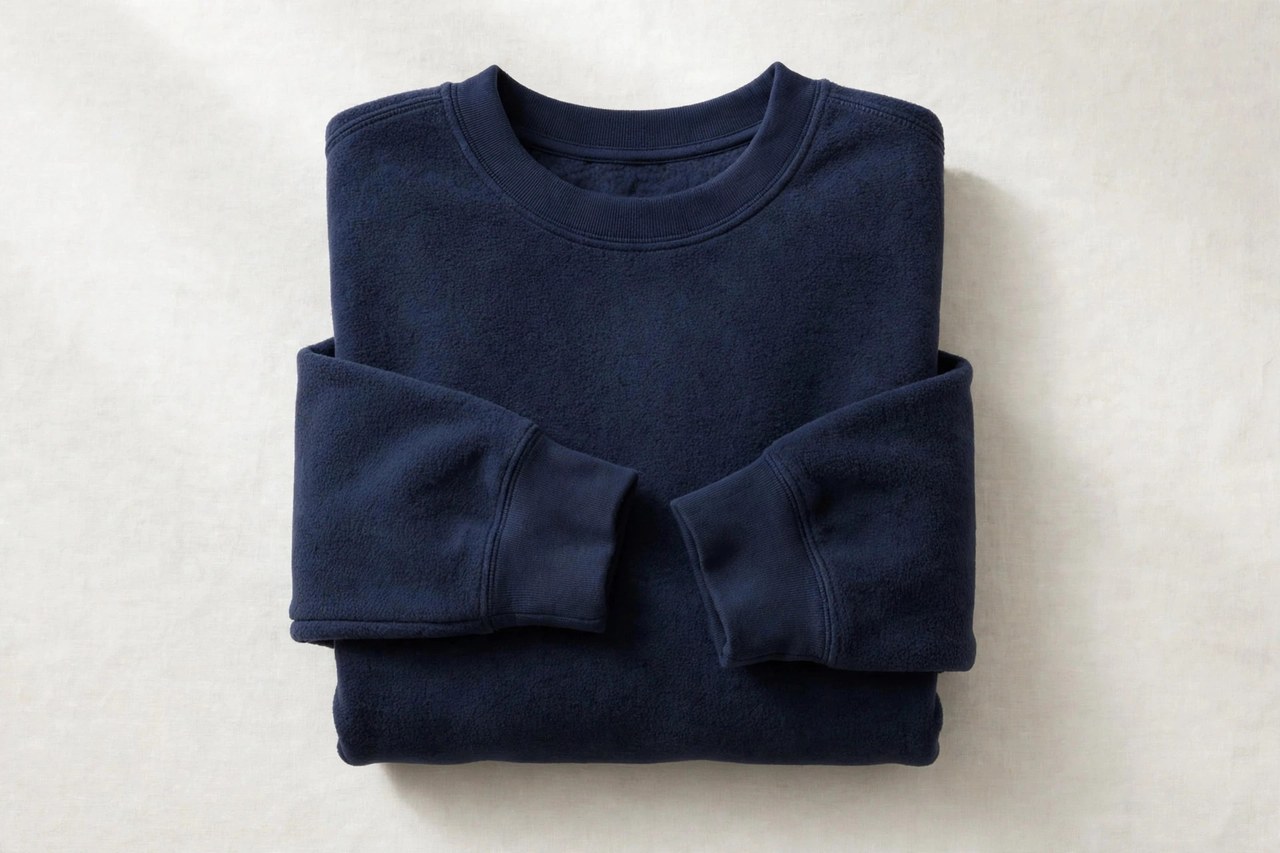
A men's fleece sweatshirt is a sweatshirt - the pullover or zip-front top cut like athletic wear, traditionally made of thick cotton jersey - built instead from fleece, and in modern use that means polar fleece: a soft, napped insulating fabric knitted from polyester, most of it polyethylene terephthalate (PET). Despite old trade names like Polar Wool, polar fleece contains no wool at all; it borrows wool's virtues - warmth, softness, insulation even in damp air - at a fraction of the weight, and adds easy washing and fast drying that wool cannot match. This guide covers the styles worth knowing, the fit points that decide comfort, the fabrics and construction that separate a good buy from a regret, and the simple care that makes the garment last.
Styles and Construction
Fleece is graded by weight, and the grade is the buying decision: microfleece around 100 gsm for a light layer, midweight around 200 gsm as the general-purpose sweatshirt, and heavyweight 300 gsm and up for serious cold. Better fleece is anti-pill treated, because the napped surface sheds short fibers that ball on the surface; cheap fleece pills within a season and never stops. Styles split into crew-neck pullovers (the true sweatshirt shape), quarter-zips, and full-zip jackets wearing a sweatshirt's ribbed trims. Graphics, college names and embroidery belong to the cotton sweatshirt tradition this garment inherits - on fleece they sit on a warmer, lighter, more technical cloth.
A top earns its keep in finishing: seams that hang straight and stay even at eight to twelve stitches per inch, collars and plackets that lie flat after washing, buttons sewn with thread shanks so they sit in their holes without pulling. Hold the cloth to the light - a tight, even weave or knit outwears a loose one at the same labeled weight, and pattern pieces cut on grain keep the garment from twisting around your body by the third wash.
Fit and Sizing
Fit a fleece sweatshirt as a layer with a job: as a mid-layer it should be close enough to slide under a shell without bunching, with sleeves long enough to stay at the wrist when arms reach forward; as an outer layer it needs room for the shirt or base layer beneath. The crew collar should lie flat at the base of the neck, the ribbed hem should sit at the hip without riding up, and the whole garment should feel weightless compared with the cotton sweatshirt it replaces - if it feels heavy, it is the wrong grade for its purpose.
Fit tops shoulders and chest first, because tailors cannot cheaply move either: the shoulder seam ends at the shoulder bone, the chest closes without pulling, and both arms raise without the hem escaping the waistband. Tucked lengths must stay tucked sitting; untucked lengths should end mid-fly. Sleeves are the cheap alteration, shoulders the permanent one - reject a wrong shoulder for any reason, forgive a long sleeve for many.
Wearing and Care
Fleece care is easy with two cautions. Wash cool or warm, turned inside out, and keep it out of a hot dryer: high heat can glaze the nap and is the main way fleece dies early; low or line drying preserves the loft that insulates. Wash fleece separately from cotton towels and tees, because fleece both sheds microfibers and collects lint. Brush off surface pilling with a fabric shaver - pilling is worst on untreated fleece and at rub points under straps. Never iron fleece; a steamer at a distance is the limit of heat it should ever meet.
Launder tops by the label with three defaults: cool or warm water to protect color and trims, dark and printed pieces inside out, and low or line drying, which is the largest single lever on a shirt's lifespan. Fasten buttons and zips before washing to protect the whole load, treat stains before the dryer can set them, and store knits folded so their shoulders keep the shape they were knitted with.
Common Questions
Is fleece the same thing as a regular sweatshirt fabric?
No. The traditional sweatshirt is cotton or cotton-blend jersey, often loop-backed, heavy and slow to dry. A fleece sweatshirt keeps the sweatshirt's cut and ribbed trims but is made of polar fleece - knitted polyester with a brushed, napped surface. The fleece version is warmer for its weight, dries far faster, and insulates better when damp; the cotton version breathes better in mild weather and takes prints and embroidery more crisply.
What fleece weight should you buy for a sweatshirt?
Match the grade to the job: 100-weight microfleece for a light extra layer in cool rooms and mild evenings, 200-weight for the general-purpose sweatshirt that handles most autumn and spring days and layers under a winter coat, and 300-weight when the sweatshirt itself is the insulation for cold weather. Heavier is not better by default - a 300-weight worn indoors is simply a hot garment.
Why does fleece pill, and can you prevent it?
Pilling is loose surface fiber migrating and balling where the garment rubs - under straps, at the sides, against seatbelts. Anti-pill fleece is finished to resist it and is worth its small premium. You slow pilling by washing inside out on gentle cycles, avoiding hot drying, and washing fleece away from rough cotton loads. Existing pills lift off cleanly with an electric fabric shaver; never pull them, which tears more fiber loose.
More in Men's Clothes Guide F
Two Garments, One Name
The sweatshirt and the fleece are two definitions that meet in one garment. The sweatshirt: arguably a type of sweater, made of a fabric and cut similar to sweatpants, worn with them as a sweatsuit that was originally a kind of exercise clothing; generally fashioned of thick, usually cotton jersey, sometimes lighter fabrics; a pullover or zipper front; sold in solid colors, multi-colors such as tie-dye, and with graphics; embellished by printing, embroidery and other methods, with a college or university name or logo the popular design. And fleece: the word can mean the woollen coat of a sheep, but the fabric here is polar fleece, a soft napped insulating fabric made from polyethylene terephthalate (PET) or other synthetic fibers — also sold as Polar Wool, Vega Wool or Velo Wools despite being 100% PET — lightweight, warm and soft, with some of wool’s good qualities at a fraction of the weight of the lightest wools. Related reading includes the sweatshirts guide, the sweatshirt blog posts and the college sweatshirt, sweatshirt and hoodie product pages.
Looking for Men's Clothing Stores?
This guide explains men's fleece sweatshirts. To browse where to buy, visit our men's clothing store directory, where you can find retailers that carry them.