Men's Fur Clothing Guide
Men's fur clothing is clothing made from animal pelts with the hair retained on the processed skin - fur in the strict sense: the soft, thick hair covering of mammals, kept for its insulation and its appearance. It is among the oldest clothing materials in human use, and in menswear it survives in defined places: full fur coats, fur-collared and fur-lined jackets and parkas, shearling coats (the fleece sheared but left on the leather), fur hats and trim. The term 'a fur' traditionally names the garment itself - a coat, wrap or stole made from pelts.
Shop Men's Fur Clothing Now
Shop Men's Fur Clothing on Amazon Shop Men's Fur Clothing on eBayThe Amazon and eBay links on this page are affiliate links. If you make a purchase through them, Apparel Search may earn a commission.
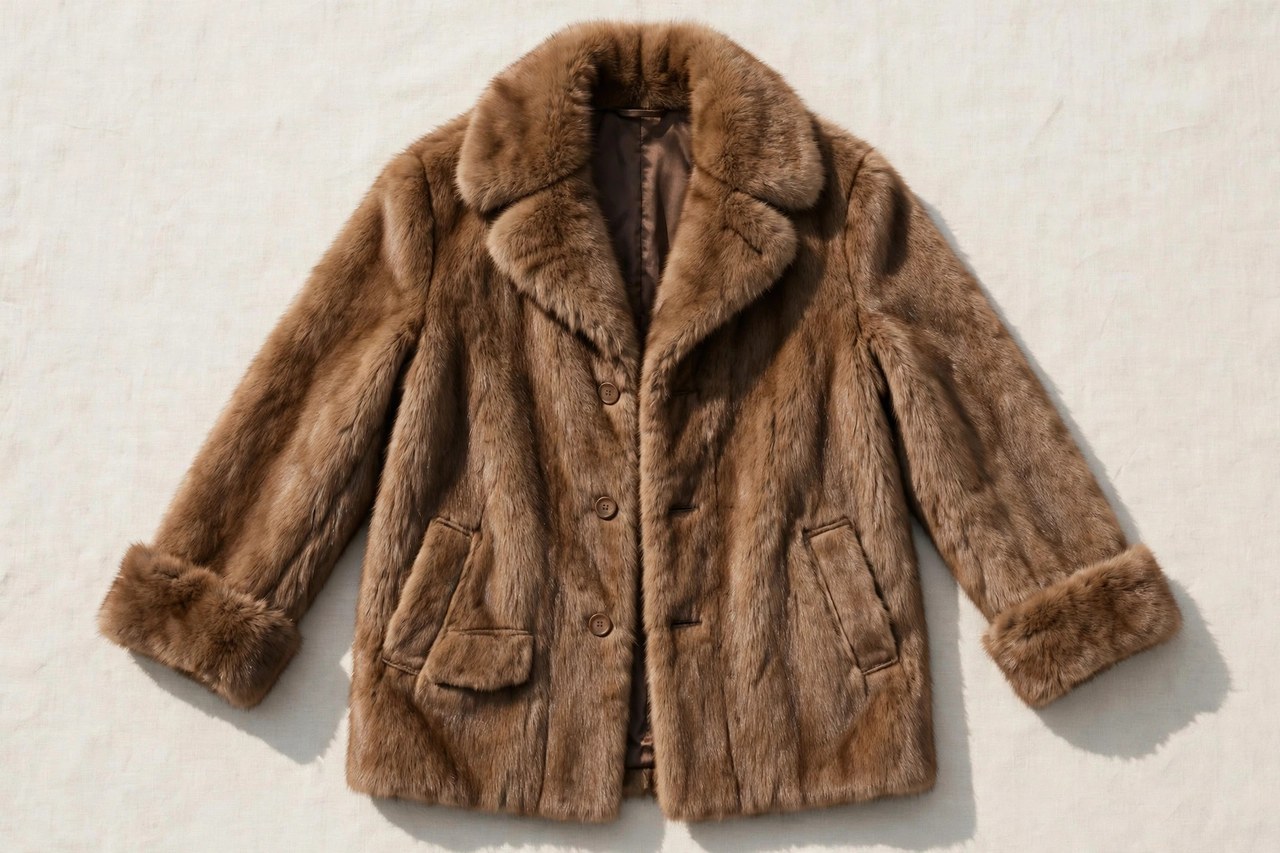
Men's fur clothing is clothing made from animal pelts with the hair retained on the processed skin - fur in the strict sense: the soft, thick hair covering of mammals, kept for its insulation and its appearance. It is among the oldest clothing materials in human use, and in menswear it survives in defined places: full fur coats, fur-collared and fur-lined jackets and parkas, shearling coats (the fleece sheared but left on the leather), fur hats and trim. The term 'a fur' traditionally names the garment itself - a coat, wrap or stole made from pelts. This guide covers the styles worth knowing, the fit points that decide comfort, the fabrics and construction that separate a good buy from a regret, and the simple care that makes the garment last.
Styles and Construction
Know the materials before the labels. Pelts divide by character: mink is the fine, dense luxury standard; fox is long-haired and dramatic; rabbit is soft, light and inexpensive but wears fastest; sheepskin and shearling are the workhorses of men's fur - warm, matte and tough enough for coats and boots; and beaver, raccoon and coyote bring rugged, weather-shedding guard hairs to collars and cold-weather hats. Construction tells quality: pelts are matched for color and density and let out - cut into strips and resewn longer - for full coats, and the leather side should be supple, not papery or cracked. Faux fur imitates the look in synthetics and has its own page in this guide's references; it is a different material with different care, not a grade of fur.
Outerwear value hides below the surface: taped versus merely stitched seams, a zipper whose slider runs true under one hand, cuffs and hems that adjust to seal weather out, and a lining slippery enough to glide over the layers beneath. Shoulder build decides the hang over knitwear or a jacket, and pocket engineering decides whether hands and kit ride where your body expects them. Specify for the worst honest day, not the brochure day.
Fit and Sizing
Fit fur as outerwear with presence: it adds visual and physical bulk, so a fur or shearling coat should close over winter layers without straining its hooks or buttons, with sleeves covering the wrist and enough length to do its thermal job - a fur coat that ends at the hip is mostly collar. Shearling and fur-lined jackets fit closer, like the leather jackets they are. Shoulder fit is permanent and unalterable in pelts, so it is the reject-or-keep measurement. Buy from specialists who can state the pelt, origin and construction plainly; fur is a category where an unexplained bargain is information in itself.
Fit outerwear over the bulkiest layer it will honestly cover, and test the working range: arms forward as if driving, arms overhead, sitting with every closure fastened. The coat's shoulders should echo yours rather than extend past them, closures should meet without strain, and the hem must reach the coverage the garment exists to give. A coat fitted over a T-shirt alone belongs to a climate you may not live in.
Wearing and Care
Fur care is storage care, and it is non-negotiable: fur lives in cool, dark, airy storage - professional cold storage in summer is the standard for valuable pieces - never in sealed plastic, never in a hot attic, and never compressed under other garments. Wear is forgiving (fur sheds rain and snow shaken off promptly) but heat, friction and moths are not: keep fur off shoulder straps and seatbelts where possible, have it cleaned and conditioned only by a furrier - never a dry cleaner - and have small tears repaired by the same hands before they run. Shearling follows leather's rules with the fleece brushed and kept dry. Treated so, a fur garment is measured in decades.
Hang outerwear on broad hangers that carry the shoulders, rest it between wears, and resist washing it often - spot-clean first, and wash by the maker's method with the detergent the fabric demands when a full clean is due. Refresh water-repellent finishes when rain stops beading, never store a coat dirty or compressed, and send leather and tailored pieces to professionals rather than experimenting at home.
Common Questions
What is the difference between fur and shearling?
Both are skin with hair retained, prepared differently. Fur garments are made from pelts - mink, fox, rabbit and others - tanned with the hair at its natural length and direction, prized for softness and appearance. Shearling is sheepskin whose wool fleece has been sheared to an even length and left on the leather, worn fleece-in for insulation or fleece-out for looks. Shearling is generally tougher, more matte and more casual; dressed fur is generally finer, glossier and more formal.
How should a fur coat be stored for the summer?
Cool, dark and breathing: the professional standard is a furrier's cold-storage vault (roughly 45-55 degrees with controlled humidity) on a broad hanger in a cloth bag. At home, the closest approximation is the coolest dark closet in the house, a broad hanger, a breathable garment bag, room to hang without compression, and cedar or lavender against moths. Never sealed plastic, never a hot attic or a damp basement, and never a tight cedar chest, which dries the leather side of the pelts.
Is faux fur a good alternative to real fur?
It is a different material solving a similar brief, and for many buyers the right one: modern faux fur (usually acrylic or modacrylic pile on a knit backing) imitates the look at a fraction of the price, needs no cold storage, and avoids the ethical objections many people hold to real fur - objections this guide records as part of the topic, since fur has always been a debated material. Faux fur is less warm per weight than the finest real pelts, pills and mats with age where real fur endures for decades, and follows ordinary synthetic care rather than a furrier. Choose by your own priorities: longevity and warmth, or price, simplicity and conscience.
More in Men's Clothes Guide F
Fur as a Material
Fur is the hair of animals, usually mammals, particularly those with extensive soft, thick body hair coverage as opposed to the stiffer bristles on most pigs, and fur clothing is clothing made of furry animal hides — one of the oldest forms of clothing, thought to have been widely used as hominids first expanded outside Africa, and long a source of clothing for hominoids including the Neanderthal. In clothing, fur is usually leather with the hair retained for its aesthetic and insulating properties; animal furs in garments and trim may be dyed bright colors, dyed to mimic exotic animal patterns, or shorn to imitate soft velvet. Fur clothing involves obtaining animal pelts with the hair left on the processed skin, in contrast to leather, which removes the hair, and to wool, which is sheared from the living animal — sheepskin shearling being made by retaining the fleece to the leather and shearing it. The usual sources are fox, rabbit, mink, beaver, ermine, otter, sable, seal, coyote, chinchilla, raccoon and possum, with sheepskin the most common skin worn for boots, jackets and coats. Some view fur as luxurious and warm while others reject it on moral grounds, with animal welfare advocates objecting to trapping and fur farming. Related topics include the fur directory, fake fur and fur wholesalers.
Looking for Men's Clothing Stores?
This guide explains men's fur clothing. To browse where to buy, visit our men's clothing store directory, where you can find retailers that carry them.